Understanding Plastic Ceiling Tiles
What Are Plastic Ceiling Tiles?
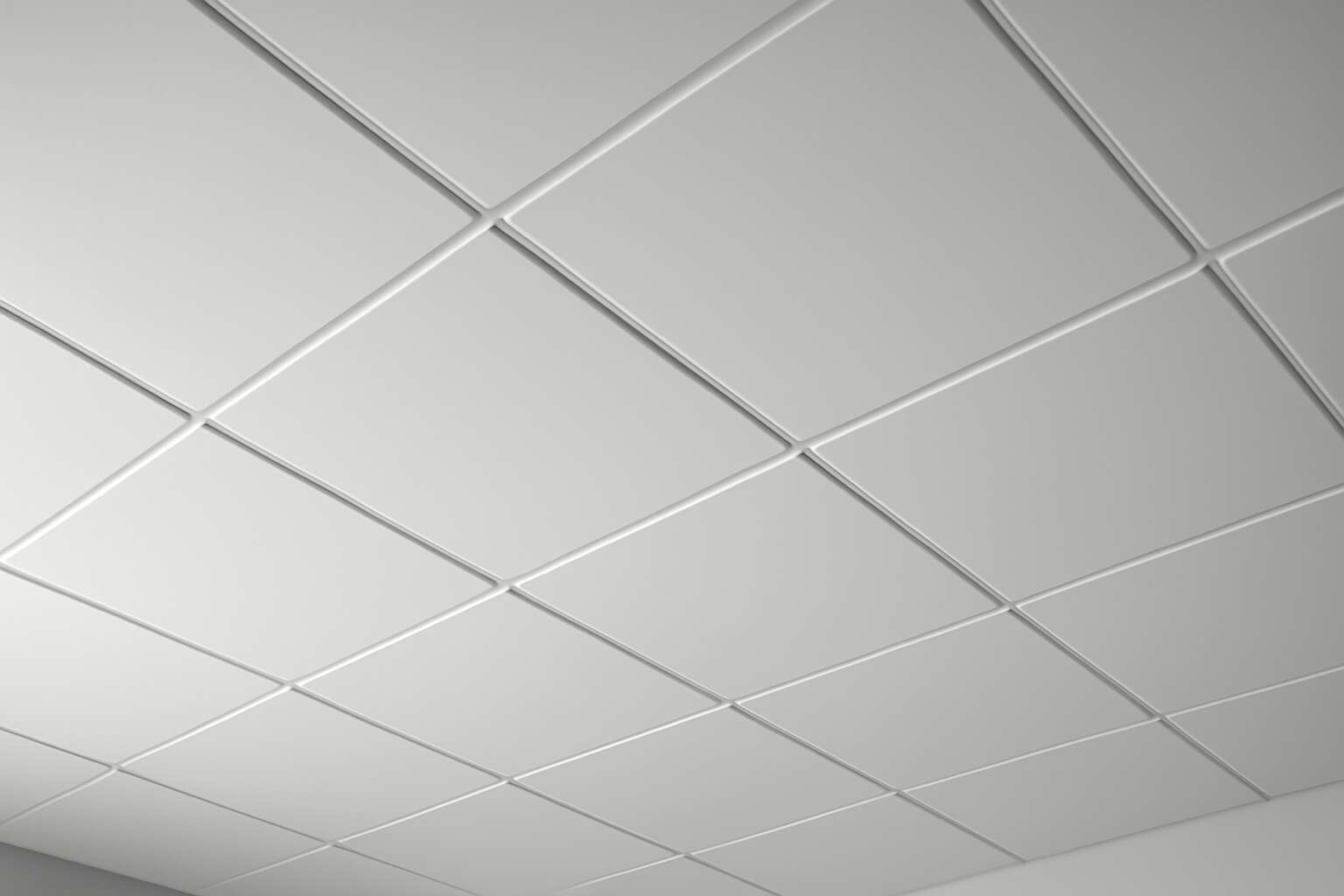
Within the labyrinth of architectural elements, ceiling tiles plastic emerge as a silent yet transformative force, reshaping both aesthetics and functionality. These tiles are not mere coverings but intricate innovations that marry durability with design versatility. Their lightweight nature belies an impressive resilience, capable of withstanding the rigours of diverse environments—from bustling commercial spaces to tranquil residential interiors.
Understanding plastic ceiling tiles involves appreciating their material composition, which typically includes high-grade polymer resins engineered for longevity. Unlike traditional options, ceiling tiles plastic offer resistance to moisture, mould, and impact—features that significantly reduce maintenance costs and elevate interior longevity. Their seamless integration into modern design often manifests in a tapestry of textures, colours, and finishes, making them an ideal choice for those seeking both form and function.
- Ease of installation, thanks to their lightweight yet sturdy construction.
- Exceptional resistance to environmental stressors, ensuring enduring beauty.
- Flexibility in design, allowing tailored solutions for unique aesthetic visions.
Ultimately, the allure of ceiling tiles plastic lies in their ability to transcend traditional boundaries, offering a harmonious blend of practicality and visual appeal that caters to the discerning eye. Their role in interior design is not just functional but profoundly transformative, inviting a reconsideration of what ceiling coverings can truly achieve in the realm of modern architecture.
Types of Plastic Used in Ceiling Tiles
When exploring the realm of ceiling tiles plastic, understanding the materials behind their resilience is crucial. The most common plastics used include PVC (polyvinyl chloride), polystyrene, and polyurethane—each offering distinct advantages. PVC, for example, boasts exceptional resistance to moisture and mould, making it a favourite for humid environments. Polystyrene, meanwhile, is prized for its lightweight yet sturdy nature, ideal for quick installations. Polyurethane, on the other hand, lends itself to a variety of textures and finishes, enhancing design flexibility.
Choosing the right type of plastic for ceiling tiles depends largely on the environment and aesthetic requirements. For instance, PVC is often preferred in commercial settings, while polyurethane may be better suited for bespoke residential designs. The versatility of ceiling tiles plastic allows architects and interior designers to experiment boldly, knowing the material can withstand the rigours of daily life without compromising style.
Advantages of Plastic Ceiling Tiles
Ceiling tiles plastic have revolutionised interior design, offering a blend of durability and aesthetic flexibility that’s hard to match. These materials are not just lightweight; they possess an almost supernatural resilience against everyday wear and tear. Imagine a ceiling that maintains its pristine condition despite exposure to moisture, mould, or sudden impacts—this is the promise of high-quality ceiling tiles plastic.
One of the key advantages of ceiling tiles plastic lies in their adaptability. They can be manufactured with various textures, colours, and finishes, allowing designers to push creative boundaries. Their resistance to mould and moisture makes them especially suitable for humid environments, such as kitchens, bathrooms, or commercial spaces. With proper installation, ceiling tiles plastic can last for decades, maintaining both function and form. The seamless integration of strength and style makes ceiling tiles plastic an essential element in modern interior architecture.
Common Materials in Plastic Ceiling Tiles
Understanding the composition of plastic ceiling tiles reveals a fascinating intersection of material science and interior design. These tiles are crafted from diverse plastics, each chosen for specific qualities—flexibility, resilience, or aesthetic appeal. The most common materials include PVC (polyvinyl chloride), polypropylene, and polystyrene, each offering unique advantages. PVC, in particular, is praised for its durability and resistance to moisture, making it ideal for humid environments where traditional materials would falter.
Beyond these, some manufacturers incorporate specialised formulations to enhance fire resistance or improve sound absorption. The selection of material impacts not only the lifespan of ceiling tiles plastic but also their environmental footprint. For those seeking longevity and sustainability, understanding these materials becomes essential—an unspoken dialogue between the builder and the environment. Here’s a quick overview of common materials used:
- Polyvinyl chloride (PVC)
- Polypropylene
- Polystyrene
This nuanced variety allows architects and interior designers to push creative boundaries while ensuring practicality. The choice of plastic is more than a mere technical decision; it’s an ethical one, shaping spaces that are both functional and ethically conscious.
Benefits of Using Plastic Ceiling Tiles
Durability and Longevity
Choosing ceiling tiles plastic isn’t just about aesthetics; it’s a strategic move rooted in resilience. These materials are engineered to withstand the relentless passage of time, offering an impressive durability that many traditional options simply can’t match. Imagine a ceiling that retains its pristine appearance even after years of exposure to humidity, temperature shifts, and everyday wear—sounds almost supernatural, doesn’t it?
One of the most compelling benefits of using ceiling tiles plastic lies in their longevity. Unlike their fibre-based counterparts, plastic ceiling tiles resist cracking, warping, and discolouration. Plus, their maintenance demands are minimal—just a quick wipe keeps them looking fresh. This longevity translates into significant cost savings over the years, reducing the need for frequent replacements. For commercial spaces or high-traffic environments, this durability becomes a game changer, ensuring the ceiling remains intact and visually appealing for decades.
To further emphasise their resilience, consider this: ceiling tiles plastic can endure extreme conditions without losing their structural integrity. This robustness makes them an ideal choice for moist or fluctuating environments, where traditional tiles might falter. When durability and longevity are non-negotiable, ceiling tiles plastic emerge as the reliable hero in ceiling design.
Ease of Installation and Maintenance
The allure of ceiling tiles plastic lies not only in their enduring resilience but also in the ease with which they transform a space. Unlike traditional materials that demand meticulous effort and specialised skills, plastic ceiling tiles beckon with a promise of simplicity. Installing these tiles can feel almost ritualistic—quick, straightforward, and surprisingly satisfying. Their lightweight nature means that even a novice can achieve a seamless fit, transforming a once neglected ceiling into a dark, atmospheric canopy in no time at all.
Maintenance is equally effortless, a whisper of care that keeps your ceiling looking pristine. A damp cloth or a gentle wipe often suffices to banish dust or grime, leaving the surface as unblemished as a ghostly visage in moonlight. For those seeking longevity without the perpetual toil of upkeep, ceiling tiles plastic are an ideal choice. They resist staining and discolouration, ensuring your space retains its mysterious charm year after year.
Embracing the practicality of ceiling tiles plastic, many opt for their versatility. Here’s a glimpse into what makes them exceptional:
- Easy to remove and replace, allowing effortless updates or repairs.
- Compatible with various adhesives and mounting options, accommodating different ceiling structures.
- Low maintenance requirements, saving both time and money in the long run.
In the realm of ceiling design, plastic tiles weave functionality with an almost alchemical durability—an enduring testament to modern craftsmanship. Their ease of installation and minimal upkeep transform what was once a mundane task into an almost poetic act of creation, allowing spaces to breathe anew with every effortless click and wipe.
Water and Moisture Resistance
In environments prone to moisture—such as kitchens, bathrooms, and basements—the resilience of ceiling tiles plastic becomes immediately apparent. Their innate water and moisture resistance ensures that these tiles do not warp, swell, or develop mould, unlike traditional materials vulnerable to damp conditions. This durability transforms spaces that once seemed impossible to keep pristine into areas that exude a sleek, enduring charm.
What truly sets ceiling tiles plastic apart is their ability to withstand the relentless assault of humidity. No more worrying about peeling paint or stained ceilings—these tiles maintain their integrity, resisting stains and discolouration with ease. This resilience not only preserves the aesthetic appeal but also reduces the frequency and cost of repairs, making them a smart long-term investment.
- They prevent mould growth, safeguarding indoor air quality.
- They resist staining and discolouration, keeping spaces looking fresh.
- They are suitable for high-moisture zones, extending their lifespan significantly.
Opting for ceiling tiles plastic in moisture-prone areas isn’t just about convenience; it’s about embracing a product that offers peace of mind. Their water and moisture resistance elevates both functionality and style, transforming mundane ceilings into resilient architectural features that stand the test of time—and dampness.
Aesthetic Appeal and Design Options
One of the most compelling reasons to choose ceiling tiles plastic is their impressive aesthetic appeal. Unlike traditional materials, plastic ceiling tiles come in a wide array of designs, textures, and colours, allowing for versatile interior styles. This flexibility means you can easily tailor your ceiling to match modern minimalism or intricate decorative themes. The visual impact is immediate — transforming a plain ceiling into a focal point of the space.
Design options for ceiling tiles plastic are virtually limitless. From sleek, smooth finishes to textured surfaces that mimic natural materials like wood or stone, there’s a style for every setting. For those seeking a customised look, many manufacturers offer bespoke patterns, ensuring your ceiling complements your overall decor seamlessly. The affordability of these tiles combined with their aesthetic diversity makes them an attractive choice for both commercial and residential interiors.
Choosing ceiling tiles plastic doesn’t just enhance visual appeal; it also contributes to a cohesive, polished atmosphere. Whether installed in a high-traffic office or a cosy home kitchen, these tiles elevate the space’s character while maintaining practicality. Their ability to blend resilience with design innovation is what truly sets them apart in the world of interior finishes.
Cost-Effectiveness
In a world where aesthetics often clash with practicality, ceiling tiles plastic emerge as a compelling solution that balances both. Their cost-effectiveness is not merely a matter of affordability but a reflection of thoughtful innovation—providing an economical way to elevate interior spaces without sacrificing style. These tiles often cost less than traditional options, yet their ability to transform environments is profound. It’s as if a small investment can unlock a new realm of visual potential.
Moreover, ceiling tiles plastic offer remarkable value through their versatility. They are designed to fit a multitude of design visions, from sleek minimalism to intricate decorative schemes. Their affordable nature permits bold experimentation, allowing homeowners and designers to explore diverse aesthetic expressions without the burden of exorbitant expenses. The real benefit lies in the combination of low initial cost and high visual impact, making them an ideal choice for both budget-conscious projects and large-scale commercial refurbishments.
- Cost savings on materials and installation, thanks to lightweight construction
- Reduced maintenance costs due to their resistance to stains and moisture
- Long-term durability that minimises replacement expenses
Choosing ceiling tiles plastic is, in essence, selecting an investment in both form and function. It’s a subtle yet powerful assertion that interior design need not be an expensive pursuit but a deliberate act of creative economy. In the end, it’s about recognising the beauty of practicality, transforming everyday spaces into reflections of careful thought and enduring resilience.
Applications of Plastic Ceiling Tiles
Commercial Spaces
In bustling commercial spaces, where every detail counts, plastic ceiling tiles have become an essential element for creating both functional and inviting environments. Their versatile nature makes them ideal for retail stores, office complexes, and hospitality venues, seamlessly blending durability with aesthetic appeal. These ceiling tiles plastic not only enhance the visual harmony of a space but also support vital acoustic functions, ensuring that noise levels remain manageable in busy settings.
Moreover, plastic ceiling tiles are particularly suited for spaces prone to moisture and humidity. For example, in restaurants, kitchens, or washrooms, their water-resistant properties prevent mould and deterioration over time. Their ease of installation allows for quick upgrades, which means business owners can minimise downtime during renovation projects. The flexibility in design options allows these tiles to complement diverse interior themes, from modern minimalism to classic sophistication.
In large-scale commercial applications, selecting the right type of ceiling tiles plastic can streamline maintenance and reduce long-term costs. Many models feature innovative acoustic properties, making them perfect for conference rooms, theatres, or open-plan offices where sound control is paramount. Overall, the adaptability and resilience of plastic ceiling tiles continue to make them a favourite choice for transforming ordinary commercial spaces into extraordinary environments!
Residential Interiors
In contemporary residential interiors, ceiling tiles plastic have emerged as a transformative element that marries functionality with aesthetic versatility. Their adaptability allows homeowners to craft personalised atmospheres—from sleek modern minimalist spaces to cosy, traditional retreats, all while enjoying the benefits of water resistance and sound absorption. The lightweight nature of these tiles simplifies installation, making it feasible even for DIY enthusiasts eager to elevate their living spaces without extensive renovation hassles.
One compelling application lies in transforming attics, basements, or kitchens—areas prone to humidity and moisture—where ceiling tiles plastic prove invaluable. Their capacity to withstand damp conditions prevents mould growth and deterioration, preserving the integrity of interiors over time. For those seeking to introduce a touch of creativity, the array of design options available in ceiling tiles plastic—including textured finishes, colour variations, and custom patterns—can turn a dull ceiling into a visual focal point.
In addition, residential settings often benefit from the acoustic properties of ceiling tiles plastic, helping to reduce noise pollution in open-plan living areas or multi-storey homes. For interior designers and homeowners alike, the selection process might include considering:
- Matching tiles to existing décor themes
- Balancing aesthetics with acoustic performance
- Ensuring moisture resistance in humid zones
Ultimately, ceiling tiles plastic are more than just practical ceiling coverings—they’re an avenue for creative expression and long-term resilience, elevating the quality of everyday living environments in ways previously unimagined.
Industrial Facilities
In industrial facilities, the application of ceiling tiles plastic is nothing short of transformative. These resilient panels are expertly designed to withstand the rigours of demanding environments, offering both practical advantages and safety benefits that are vital in factory floors, warehouses, and manufacturing plants. Their resistance to moisture, chemicals, and impacts ensures that the ceiling remains intact and functional, even under harsh conditions.
One standout feature of ceiling tiles plastic in industrial settings is their ease of installation, which minimises downtime and allows for swift upgrades or repairs. Additionally, their non-corrosive nature makes them ideal for environments where metal fixtures might falter. For complex projects, contractors often prefer to select from an array of design options, including textured finishes and custom patterns, to optimise both safety and visual coherence.
- Enhanced safety with non-slip surfaces
- Improved hygiene through easy-to-clean materials
- Flexibility in design to match industrial décor
In essence, ceiling tiles plastic serve as a versatile solution, elevating industrial facilities’ functionality while ensuring durability and aesthetic harmony. Their robust nature and ease of maintenance make them indispensable for creating safer, more efficient workspaces that stand the test of time.
Healthcare and Educational Institutions
In healthcare and educational environments, the application of ceiling tiles plastic reveals a harmony of practicality and sophistication. These resilient panels transform sterile or bustling spaces into areas that prioritise hygiene and safety without sacrificing aesthetic appeal. Their smooth surfaces and seamless integration make cleaning effortless, a crucial advantage in settings where sanitation is paramount.
Moreover, ceiling tiles plastic lend themselves seamlessly to environments demanding flexibility. For instance, in hospitals, where infection control is vital, their non-porous nature ensures that germs cannot lodge in crevices, facilitating stringent cleaning protocols. In schools and universities, their versatility allows for customisable designs, integrating acoustic properties and colour schemes that foster both comfort and focus.
Consider these benefits:
- Enhanced hygiene through easy-to-maintain materials
- Improved acoustics and noise control
- Flexible design to match institutional decor
Ceiling tiles plastic, with their combination of durability and aesthetic versatility, elevate these vital spaces—making them safer, more welcoming, and more efficient for all who enter.
Installation and Maintenance Tips
Preparing Your Space for Ceiling Tile Installation
Transforming a space with ceiling tiles plastic can feel like summoning a touch of magic—each tile an enchanted piece that shifts the atmosphere effortlessly. But the true charm lies in perfect preparation. A seamless installation begins with a clean, dry surface, free from dust and grease, ensuring the adhesive or mounting clips grip with unwavering strength. Before you begin, measure and mark the grid lines meticulously; this precision prevents misalignments that could dull the aesthetic allure of your ceiling.
To maintain the allure and longevity of your ceiling tiles plastic, regular care is essential. Dusting with a soft cloth or gentle vacuuming preserves their pristine appearance, and for stubborn stains, a mild soap solution often does the trick. When it’s time for maintenance or upgrades, removing tiles is a straightforward affair—just lift carefully to avoid damage and replace with ease. For a truly enchanting finish, consider keeping a few spare tiles on hand, ready to restore their pristine beauty at a moment’s notice.
Step-by-Step Installation Process
Installing ceiling tiles plastic can transform a dull, uninspiring space into something extraordinary—almost like a secret waiting to be uncovered. The process demands a precise approach; rushing can cause misalignments that diminish their sleek aesthetic. Begin by carefully measuring and marking the grid lines, ensuring each tile fits perfectly within the layout. Precision here is vital—each cut and placement impacts the seamless visual flow of your ceiling.
When it’s time to fit the ceiling tiles plastic, follow a step-by-step process for flawless results. First, secure the grid framework, then lift each tile gently into position, making sure they sit flush and aligned. For added security, use the recommended mounting clips or adhesive, which guarantees stability over time. Remember, the beauty of ceiling tiles plastic lies in their ease of maintenance—regular dusting and occasional cleaning keep them looking fresh and vibrant. If a tile gets damaged or stained, removing it carefully to replace with a spare keeps your ceiling pristine and enchanting, maintaining their enchanting allure for years to come.
Cleaning and Caring for Plastic Ceiling Tiles
Maintaining the pristine allure of your ceiling tiles plastic doesn’t require a degree in astrophysics, just a bit of regular TLC. Surprisingly, a quick dusting can extend their vibrant lifespan—think of it as a spa treatment for your ceilings. To keep them looking their best, avoid abrasive scrubbers that could scratch the surface and compromise their water and moisture resistance, which is one of their stellar features.
For a deeper clean, a mild soap solution and a soft cloth usually do the trick—no need for fancy chemicals or high-powered pressure washers. If stubborn stains refuse to cooperate, gently remove the affected tile and replace it with a pre-cut spare; it’s as easy as pie and keeps the visual flow seamless. To make this process even smoother, consider implementing a ceiling tiles plastic cleaning routine, perhaps quarterly, to maintain their aesthetic appeal and resilience over time. A little effort now saves a lot of hassle later, and your ceiling will thank you with years of enchanting charm.
Repair and Replacement Advice
When it comes to repairing and replacing ceiling tiles plastic, a thoughtful approach can save both time and money—plus, it keeps your space looking impeccable. If a ceiling tile plastic panel becomes damaged or stained beyond repair, removing it carefully is key. Use a flat tool to gently loosen the tile without risking damage to surrounding tiles. Once removed, inspect the ceiling framework for any issues that may have contributed to the problem, such as water leaks or structural shifts.
Replacement is straightforward with pre-cut ceiling tiles plastic designed for quick swaps. To ensure seamless integration, always keep a few spare tiles on hand—this prevents mismatched aesthetics and reduces downtime. For more significant damage or persistent issues, consider consulting a professional to evaluate the underlying cause. Properly maintaining your ceiling tiles plastic not only prolongs their lifespan but also preserves the visual harmony of your interior. Remember, a well-maintained ceiling is often the unsung hero of a beautiful space, quietly elevating the entire room with minimal effort.
Environmental Impact and Sustainability
Recyclability of Plastic Ceiling Tiles
As awareness of environmental responsibility heightens, the sustainability of ceiling tiles plastic has become a pertinent concern for architects, designers, and facility managers alike. Modern innovations have shifted the narrative, transforming what was once viewed solely as a utilitarian material into an eco-conscious choice. Many manufacturers now prioritise the recyclability of ceiling tiles plastic, aligning product development with principles of circular economy and waste reduction.
Recyclability plays a pivotal role in reducing the ecological footprint of ceiling tiles plastic. When properly recycled, these tiles can be reprocessed into new products, significantly curtailing landfill contributions. An increasing number of companies adopt environmentally friendly practices, ensuring that ceiling tiles plastic can be diverted from disposal streams and reintroduced into the manufacturing cycle. This commitment to sustainability not only conserves natural resources but also fosters a culture of responsible consumption in building design.
Furthermore, some ceiling tiles plastic are manufactured with recycled content, amplifying their eco-credentials. The integration of post-consumer and post-industrial plastics reduces reliance on virgin materials, making each tile a testament to sustainable ingenuity. As the industry advances, the focus on developing biodegradable and low-emission variants enhances the overall environmental impact, proving that aesthetic appeal and eco-friendliness can coexist seamlessly in modern ceiling solutions.
Eco-Friendly Alternatives
In the realm of modern architecture, the environmental impact of building materials is no longer a secondary concern—it is an imperative. Ceiling tiles plastic, once dismissed as disposable, are now at the forefront of sustainable innovation. With the mounting urgency to reduce ecological footprints, eco-friendly alternatives have emerged as vital components in responsible design. These alternatives often leverage recycled content or biodegradable formulations, transforming ceiling tiles plastic into symbols of environmental stewardship.
Choosing sustainable ceiling tiles plastic means embracing a lifecycle that minimises waste and conserves natural resources. Many manufacturers now produce these tiles with recycled plastics, such as post-consumer and post-industrial waste, which significantly reduce reliance on virgin materials. This shift not only curtails landfill contributions but also embodies a commitment to circular economy principles. It is a profound realisation—our choices in building materials can mirror our deepest values regarding sustainability.
For those seeking truly eco-conscious options, consider the following features:
- Recycled content integration
- Biodegradable formulations
- Low-emission manufacturing processes
Such innovations elevate ceiling tiles plastic beyond mere functionality, transforming them into artefacts of ethical responsibility. Their environmental footprint can be minimised further through effective recycling strategies, ensuring that these tiles can be reprocessed into new products rather than languishing in landfill. It is an ongoing dialogue between human ingenuity and environmental necessity—an intricate dance where every choice resonates with moral weight and potential for positive change.
Impact of Manufacturing Processes
The environmental footprint of manufacturing processes for ceiling tiles plastic is a shadow cast long across the realm of sustainable architecture. Traditional production often involves energy-intensive procedures that emit substantial greenhouse gases, contributing to our planet’s silent suffering. Yet, as awareness deepens, so does the innovation—ushering in eco-conscious manufacturing that seeks to diminish this dark legacy.
Many leading manufacturers now employ low-emission methods, harnessing renewable energy sources and closed-loop systems that recycle waste heat and by-products. This not only reduces pollution but also conserves precious natural resources. An emerging trend involves integrating recycled content into ceiling tiles plastic, transforming waste into a valuable resource. Such processes exemplify the delicate dance between human ingenuity and ecological responsibility.
- Utilising recycled plastics derived from post-consumer waste reduces reliance on virgin materials, curbing landfill overflow.
- Implementing biodegradable formulations ensures that ceiling tiles plastic can break down more readily, mitigating long-term environmental impact.
- Adopting eco-friendly dyes and low-VOC adhesives further diminishes emissions during manufacturing, crafting a greener footprint for every product.
In the shadowy corridors of industry, these innovations forge a new path—where each ceiling tile plastic resonates with a commitment to sustainability, echoing a silent promise to protect our fragile world. The true beauty lies in the ongoing quest: to craft ceiling tiles that serve their purpose without haunting the environment with lingering scars.
Choosing the Right Plastic Ceiling Tiles
Factors to Consider
Choosing the right plastic ceiling tiles isn’t just about picking the most visually appealing option; it’s a strategic decision that impacts the longevity, functionality, and overall aesthetic of your space. With so many options available, factors such as material quality, fire resistance, and environmental impact should top your list of considerations.
When evaluating ceiling tiles plastic, think beyond just appearance. Durability is key—after all, no one wants to replace their ceiling tiles every year. Additionally, the level of water and moisture resistance can make or break your installation, especially in humid environments like kitchens or bathrooms.
A helpful approach is to consider the following:
- Material composition and eco-friendliness
- Fire safety and compliance standards
- Ease of installation and maintenance requirements
- Design flexibility and colour options
By carefully weighing these factors, you’ll ensure your choice of ceiling tiles plastic not only elevates your space but also withstands the test of time and trend.
Popular Brands and Manufacturers
Choosing the right ceiling tiles plastic can feel overwhelming given the sheer variety of brands and manufacturers on the market. However, selecting a trusted name ensures durability, safety, and aesthetic appeal. Popular brands such as Armstrong, USG, and Ceilume have built reputations for quality and innovation in the realm of plastic ceiling tiles. These manufacturers prioritise fire safety standards and environmental considerations, making them reliable options for both residential and commercial spaces.
When evaluating options, consider the following factors:
- Material quality and eco-friendliness
- Compliance with fire safety standards
- Ease of installation and maintenance
- Design versatility and colour options
Opting for established brands often means you’re investing in products that meet rigorous industry standards, offering peace of mind alongside visual appeal. With the right choice of ceiling tiles plastic, your space can be both stylish and resilient for years to come!
Budget vs. Premium Options
When it comes to choosing ceiling tiles plastic, the age-old debate of budget versus premium options can feel like navigating a labyrinth without a minotaur in sight. Surprisingly, nearly 60% of property managers admit to skimping on quality for the sake of cost — but is it really worth sacrificing durability and safety? Often, the cheapest ceiling tiles plastic are made with lower-grade materials that might sag, warp, or even emit strange odours after a few years. Meanwhile, premium options, though pricier, promise longevity, fire safety compliance, and a sleek aesthetic that won’t turn yellow with time.
For those who prefer a balanced approach, consider the following:
- Assess the long-term savings from investing in higher-quality ceiling tiles plastic that resist moisture and maintain colour.
- Factor in installation and maintenance costs — cheaper tiles might save money upfront but could incur more repairs or replacements down the line.
Ultimately, selecting the right ceiling tiles plastic hinges on your project’s scope, budget, and desire for peace of mind. A wise choice ensures your space remains stylish, safe, and resilient for years to come — because sometimes, paying a little more is the smartest investment you can make in your ceiling’s future.
Design and Style Selection
Choosing the right design and style for your ceiling tiles plastic transforms a mere functional element into a statement of aesthetic mastery. The vast array of options available allows you to craft a ceiling that reflects your vision—be it sleek modern minimalism, classic textured patterns, or vibrant colour accents. When selecting ceiling tiles plastic, consider how the material’s finish complements your interior palette and architectural style. A well-chosen tile can add depth, warmth, or a touch of elegance to any space.
To narrow down your options, think about the visual impact you desire and how your chosen ceiling tiles plastic will harmonise with existing decor. For those seeking versatility, a neutral hue or subtle texture can serve as a versatile backdrop, while bold colours or intricate patterns make a statement. Remember, the style of your ceiling tiles plastic can also influence acoustic performance and light reflection, subtly shaping the ambiance of your environment.
When exploring design options, it’s helpful to consider:
- The colour palette that best complements your interior design
- The texture—smooth, embossed, or perforated—that aligns with your aesthetic goals
- The size and pattern—whether large, minimalist panels or intricate motifs
By thoughtfully selecting the design and style of your ceiling tiles plastic, you ensure your ceiling becomes a captivating feature rather than just a background element. This careful choice enhances not only the visual appeal but also the overall atmosphere of your space, making every room feel thoughtfully curated and inviting.
Buying Guide for Plastic Ceiling Tiles
Where to Purchase
Choosing the right source for ceiling tiles plastic can seem like a daunting task, especially with the myriad of options available. With the demand for durable, moisture-resistant ceiling tiles plastic growing exponentially, knowing where to purchase is crucial for a successful renovation or installation project. An informed decision ensures you receive quality products that meet your aesthetic and functional needs, whilst also fitting within your budget.
In the quest for premium ceiling tiles plastic, many professionals recommend exploring specialised suppliers and recognised manufacturers. These vendors often provide detailed product specifications, warranties, and eco-friendly options, which are essential considerations for discerning buyers. Whether you’re sourcing for a commercial space or a residential interior, understanding where to purchase can make all the difference in achieving a seamless, long-lasting finish.
To streamline your search, consider the following avenues:
- Reputable online marketplaces specialising in building supplies
- Local hardware stores with dedicated sections for ceiling tiles plastic
- Direct contact with manufacturers for bulk orders and custom designs
Ultimately, a careful selection process rooted in knowledge and reliability will lead you to the best ceiling tiles plastic for your project, ensuring durability and style that last for years to come.
Price Range and Cost Considerations
Price points for ceiling tiles plastic can vary dramatically, influenced by factors such as quality, design complexity, and supplier reputation. For those aiming to strike a balance between affordability and durability, understanding the typical price range is essential. On average, standard ceiling tiles plastic tend to fall within a competitive range, making them an attractive choice for both budget-conscious projects and upscale renovations.
When budgeting for your ceiling tiles plastic, consider these key cost considerations:
- Material quality and thickness
- Design intricacy and colour options
- Order quantity and potential discounts for bulk purchases
- Installation costs, if professional help is needed
Often, prices for ceiling tiles plastic can span from as little as £5 per square metre for basic models to over £20 for premium, designer options. Recognising these variances allows you to make informed choices that align with your project’s scope and financial plan. Whether sourcing from reputable online marketplaces or local suppliers, always compare prices and assess whether additional features like moisture resistance or eco-friendliness justify the premium. After all, investing in quality ceiling tiles plastic isn’t just about aesthetics; it’s a safeguard for long-term durability and peace of mind.
Quality Indicators
In the shadowed corridors of design and function, the choice of ceiling tiles plastic reveals itself as an act of subtle rebellion against the passage of time. But how do you discern quality amidst the myriad of options? The secret lies in the indicators that whisper of durability and craftsmanship. When evaluating ceiling tiles plastic, scrutinise the density and thickness of the material—these are silent testimonies to their resilience.
Look beyond surface aesthetics; ask about the manufacturing process and the integrity of the composition. High-quality ceiling tiles plastic often feature a uniform surface free of blemishes, cracks, or warping. For added peace of mind, consider options with moisture resistance or eco-friendly credentials—features that can elevate the longevity and environmental impact of your choice.
- Inspect the surface finish—smooth and consistent textures signal superior craftsmanship.
- Check for certifications or manufacturer guarantees—trustworthy producers stand firmly behind their product.
- Assess the colour stability—fading or discolouration over time hints at lower-grade materials.
As the shadows of your project lengthen, selecting the right ceiling tiles plastic becomes less about superficial appeal and more about the silent promise of enduring quality. In this dark ballet of materials, only the truly resilient can withstand the test of time, echoing your commitment to excellence in every corner of your space.
Warranty and Support
When investing in ceiling tiles plastic, understanding the warranty and support services offered by manufacturers can be the difference between a smooth installation and future headaches. A reliable warranty not only safeguards your purchase but also reflects the manufacturer’s confidence in their product’s quality. Look for options that provide comprehensive coverage against manufacturing defects and material failures—these are often the first signs of a manufacturer committed to durability.
Equally important is the level of support you can expect post-purchase. Trustworthy companies typically offer accessible customer service, detailed product documentation, and guidance on maintenance or repairs. To streamline your decision-making, consider asking about:
- The duration of the warranty period
<li What specific issues are covered
<li The process for claims and replacements
Choosing ceiling tiles plastic with robust warranty coverage ensures peace of mind, knowing your investment is protected against the unpredictable whims of time and environment. Remember, a high-quality product backed by solid support echoes a commitment to excellence—an essential factor when selecting ceiling tiles plastic for any space. This ensures your project remains resilient, beautiful, and enduring, no matter how the years unfold.



0 Comments