
Design considerations for ceiling tiles with integrated lighting
Emerging design trends for lighted ceiling tiles
Bright spaces close deals; the ceiling isn’t just a cap—it cues mood. In South Africa, a well-lit ceiling can shift how a room feels, and a design poll suggests lighting quality sways decisions in 60% of cases. Ceiling tiles with lights do more than illuminate—they shape ambience.
Design considerations for ceiling tiles with integrated lighting tilt toward balance: even luminance, pleasant color temperature, and quiet thermal performance. High-CRI LEDs, glare control, and grid-compatible mounting ensure the effect remains seamless rather than flashy.
Emerging design trends reward function and finesse: modular grids, biophilic textures that diffuse light, and tunable-white with smart controls that track the day’s rhythm. The result is tiles that quietly command space, not shout.
Choosing color temperature and brightness for mood and function
Lighting is the unspoken co-author of a room, and in South Africa that influence is swift as a good braai flame: you feel the mood before you notice it. Ceiling tiles with lights do more than brighten corners; they cue mood with color temperature and brightness, deciding whether a space feels expansive or intimate.
Design considerations lean toward balance. The palette of temperature should map to intention—warmth for welcome, daylight-like for focus—while maintaining a calm, uniform glow. Look for high-CRI LEDs and diffusion that prevents glare.
- Color temperature options: 2700K to 6500K to span ambience needs
- High color rendering (CRI 90+) for true hues
- Glare control and uniform luminance to avoid hotspotting
- Dimming compatibility and tunable-white that aligns with daylight
- Thermal performance and quiet operation to preserve atmosphere
That balance lets the ceiling recede as a supportive stage for people and conversations, never stealing the scene.
Pairing tile patterns with lighting styles and architectural goals
Ceiling tiles with lights are the quiet choreographers of a room, shaping perception before you notice the walls. In South Africa’s dynamic spaces—from sunlit lounges to bustling offices—the right tile-and-light pairing sets a pace, guiding conversations without shouting. Pairing tile patterns with lighting styles and architectural goals means reading the space’s lines, textures, and intent, then choosing a rhythm that supports human interaction.
- Neutral tiles with diffused light soften lines and invite calm
- Geometric patterns echo architectural angles for a confident cadence
- Textured or reflective tiles sculpt light into quiet focal points
When this balance holds, the lighting recedes—an elegant backdrop that honours conversations and focus. The outcome isn’t showy; it’s a morally attentive design choice that respects people, space, and the atmosphere we inhabit together.
Materials, efficiency and LED options for lighted ceiling tiles
Common materials and acoustic performance
In today’s spaces, lighting is not a luxury but a quiet productivity tool—up to 40% of perceived comfort hinges on it. When you combine form and function in ceiling tiles with lights, material choice matters as much as color temperature. Mineral fiber cores deliver strong acoustics and affordability, while gypsum and polymer composites offer moisture resistance and design flexibility.
- Mineral fiber for sound absorption
- Gypsum cores for damp environments
- Polymer composites for flexibility
Efficiency and LED options shape ongoing costs and ambience. Opt for high-lumen efficacy, long life, and solid heat management. Integrated LEDs provide diffusers to curb glare, with CRI 90+ and tunable color temperatures commonly available; dimmable drivers and smart control compatibility are the encore that buyers in South Africa now expect.
LED types, drivers and dimming options
Lighting remains a quiet productivity tool—up to 40% of perceived comfort hinges on it. When ceiling tiles with lights are thoughtfully chosen, you balance energy use with human focus. The right mix of materials and integrated LEDs keeps South African spaces vibrant without glare!
Efficiency and LED options shape ongoing costs and ambience. For ceiling tiles with lights, select LED types that fit the room’s rhythms: COB for uniform wash; SMD for crisp task lighting; micro-LEDs for ultra-thin panels. Drivers and dimming options provide real control and comfort.
- LED types: COB, SMD, micro-LED
- Drivers: constant current, 0-10V, DALI, PWM
- Dimming: analog (0-10V) and digital with smart control compatibility
Integrated diffusers curb glare, while high CRI (90+) and reliable heat management ensure longevity under South Africa’s climate. Smart-control compatibility is common, shaping how businesses tune atmosphere and efficiency from ceiling tiles with lights.
Energy efficiency features and long-term savings
Lighting that doesn’t glare at you is a productivity hack in disguise. In offices and retail spaces, ceiling tiles with lights quietly balance energy use and focus. The materials behind these panels set diffusion, heat paths, and lifespan—crucial in South Africa’s sun-scorched climates. A slim silhouette paired with a robust core lets integrated LEDs wash spaces evenly while keeping cool, so you’re paying for illumination, not replacements.
Efficiency isn’t just watts and lumens—it’s design discipline. When ceiling tiles with lights embrace smart heat management and durable shells, you shave long-term costs while preserving ambience. Materials engineered for heat return survive SA heat, reducing wear and maintenance. With consistent output and glare control, these tiles stay vibrant for years. Consider diffusion quality, thermal pathways, and recyclable cores to keep the system future-proof.
- Diffusion quality
- Thermal management
- Recyclable cores
Customizable lighting options on ceiling tiles
In SA interiors, ceiling tiles with lights do more than brighten a room—they choreograph focus and calm. A designer friend often says, “Light should kiss the room, not burn it.” Behind each panel, diffusion, heat paths, and longevity are shaped by thoughtful materials in sun‑soaked climates.
Materials and engineering come together to keep ceiling tiles with lights reliable.
- Diffusion quality for even illumination
- Thermal pathways that keep heat at bay
- Recyclable cores for lasting sustainability
These choices reduce glare and extend life, preserving ambience in varied South African spaces.
Customizable lighting options on ceiling tiles empower design without drama—integrated LEDs offer tunable white, warm to cool, and even RGB accents. Paired with smart drivers and smooth dimming, you sculpt mood and efficiency without adding clutter to the room.
Safety standards and certification considerations
LED modules are cooled by design in sun-baked spaces, and that matters as much as brightness! Materials and engineering drive diffusion quality, heat paths, and longevity in lighting panels.
For SA, ceiling tiles with lights demand careful safety certification. Look for these marks and tests:
- SABS approval or local regulatory compliance
- CE mark for export readiness
- RoHS compliance
- Fire rating and EN/ISO tests
- IP rating for installation environment
That mix—durable cores, efficient LEDs, and clear certifications—powers dependable performance in SA projects.
Installations and compatibility of lighted ceiling tiles in different spaces
Grid systems, mounting methods and installation tips
Lighted ceiling tiles are a design force, not mere fixtures. In South Africa’s offices, schools, and retail spaces, the right grid system unites lighting with architecture. I’ve seen how ceiling tiles with lights sharing a space with existing grids become a seamless conversation rather than a patchwork of devices.
- T-bar or metal grid systems common in SA commercial buildings
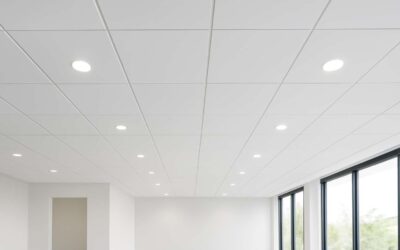
- Recessed mounting for a flush ceiling line
- Surface or semi-flush mounting when plenum access is limited
Installations hinge on grid compatibility and mounting mindset. Consider these options:
ceiling tiles with lights offer flexible aesthetics across spaces while staying adaptable to evolving layouts.
Acoustic and thermal considerations during installation
Lighted ceiling tiles fuse function and form, especially in South Africa’s dynamic spaces. Installations must respect acoustic bounce and thermal comfort, letting the hush of HVAC and the cadence of footsteps settle into the glow of ceiling tiles with lights. In offices, schools, and retail, the fit feels seamless when this glow travels with the room’s character rather than shouting above it.
Different spaces demand different calibrations:
- Office environments
- Educational facilities
- Retail floors
South Africa’s grid-conscious approach helps ensure the installation reads as architecture, not gadgetry, balancing airflow and warmth as layouts evolve.
Space-specific guidance for offices, schools, and retail
In spaces where glass and gypsum breathe together, ceiling tiles with lights offer a restrained glow that respects the room’s cadence. They align with standard grid systems, settling neatly into ceilings without shouting. In South Africa’s evolving spaces, installations must balance airflow and warmth, letting the hush of the HVAC and the cadence of footsteps settle into the glow.
- Office environments: Keep brightness measured and glare low to support focus and smooth conversations.
- Educational facilities: Prioritise even illumination along corridors and classrooms to reduce eye strain for long study days.
- Retail floors: Use adaptable accents that highlight displays while preserving a calm canopy for shoppers.
When the room’s character shifts, these installations read as architecture, weaving light into the space’s soul rather than shouting from the ceiling.
Retrofit vs new-build considerations
South Africa’s modern spaces breathe easier with light—72% of new offices report sharper focus when illumination follows the room’s cadence. Ceiling tiles with lights turn ceilings into quiet collaborators, yielding glow that sits with the architecture.
Retrofit compatibility respects the existing plenum, wiring routes, and service access. Upgrade drivers and controls to harmonize with the building’s systems and keep maintenance simple.
- Existing plenum depth and clearance
- Wiring routes and service access
- Fire rating and local compliance
New-build scenarios let you anticipate airflow, acoustic comfort, and aesthetic balance from the first blueprint. Integrated planning lets light distribution, color temperature, and textures converge, delivering a cohesive canopy that supports focus.
Done right, ceiling tiles with lights become architecture—an ambient, adaptable glow that travels with the space. These installations weave light into the room’s soul, elevating ceiling tiles with lights as a signature of space.
Maintenance, warranties and long-term costs of lighted ceiling tiles
Cleaning, access panels and troubleshooting common issues
Bright fact: 40% of issues with ceiling tiles with lights pop up from skipped cleaning and panel checks. Maintenance and warranties pay off—long-term costs stay predictable when care covers replacement parts and efficient drivers, in line with South Africa’s reliability standards and energy reality.
- Dust with a microfiber cloth; avoid moisture near drivers.
- Inspect access panels monthly to ensure seals, gaskets and quick-release latches function.
- If flicker or dimming occurs, verify the driver and voltage; bring in a licensed electrician for upgrades.
- Schedule annual professional inspections to preserve warranty eligibility and performance.
Regular cleaning, careful panel handling and prompt troubleshooting keep the space bright without budget shocks.
Durability, warranty terms and replacement cycles
Maintenance isn’t glamorous, but it’s the quiet multiplier of value—like paying your electricity bill and still looking sharp. In South Africa’s energy reality, the long game with ceiling tiles with lights pays dividends when durability and reliable drivers are part of the plan. A solid warranty acts as a shield against creeping costs, keeping the total cost of ownership sane rather than shocking.
- Warranty terms usually cover the LED module and driver for 5–10 years, varying by manufacturer and installation conditions.
- Replacement cycles hinge on hours of operation; drivers often reach 50,000–100,000 hours, while tiles last roughly 15–25 years with proper care.
- Factor in labour, parts and eventual driver upgrades as part of the long-term cost of ownership, not just the upfront price.
Durability, regulatory standards and genuine parts keep costs predictable while keeping spaces bright and compliant.
Cost of ownership, ROI and budgeting tips
Maintenance may not sparkle, but it compounds value, especially with ceiling tiles with lights. In South Africa’s energy reality, planning for longevity and reliable drivers pays off by reducing outages and maintenance nights, keeping spaces bright and costs contained!
Warranty terms typically cover the LED module and driver for 5–10 years, depending on manufacturer and installation conditions. With long hours of operation, drivers reach 50,000–100,000 hours; tiles last 15–25 years with care. Expect long-term costs to include labour, parts and eventual upgrades, not just upfront price.
Key cost factors to monitor include:
- Labour
- Parts
- Driver upgrades
- Replacement cycles
When you balance these factors, ceiling tiles with lights offer predictable total cost of ownership and clearer ROI.
Compliance, safety checks and warranty requirements
Maintenance of ceiling tiles with lights in South Africa isn’t glamorous, but it’s the quiet guardian of brightness. In my experience, regular checks keep drivers stable, luminance steady, and flicker at bay as dust and heat accumulate. In the long run, steady upkeep forestalls outages and keeps spaces emotionally lit.
Warranty terms typically cover the LED module and driver for 5–10 years, depending on manufacturer and installation conditions. With high hours of operation, drivers reach 50,000–100,000 hours, and tiles can shine for 15–25 years with proper care.
Beyond the upfront price, long-term costs thread through labour, parts and eventual upgrades. Compliance with local standards and warranty requirements ensures protection; neglecting these can void coverage. The system offers predictable total cost of ownership and a clearer ROI.

0 Comments