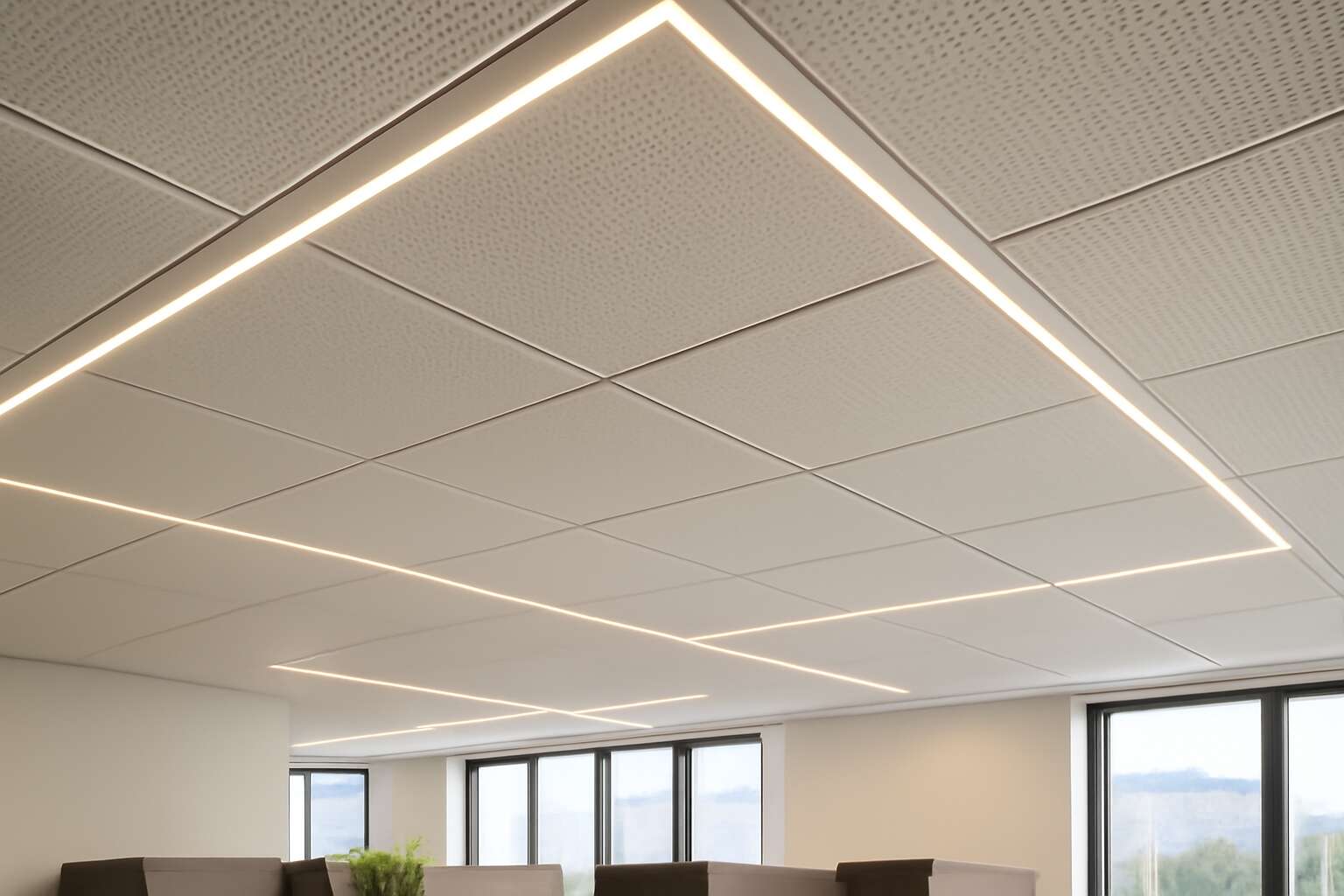
Understanding acoustic ceiling tiles
What are acoustic ceiling tiles?
“Quiet is the true luxury in a bustling space,” I hear designers whisper as I shape offices and homes from Johannesburg to Cape Town. A room that breathes softly invites conversation, concentration, and a touch of elegance! In this spirit, the glamour of thoughtful acoustics meets everyday practicality.
Understanding acoustic ceiling tiles means recognizing how a surface can tame echoes without sacrificing light or height. The term ceiling tiles acoustic refers to panels engineered to absorb and diffuse sound, turning hard, reflective ceilings into rooms that feel intimate rather than cavernous. They help speech stay intelligible and music feel luxe rather than loud.
- Sound absorption materials and thickness
- Fire rating and durability for commercial spaces
- Ease of installation and maintenance
I love how textures, colours, and profiles come alive when chosen with care; let the ceiling do more than frame the room.
Key acoustic metrics: NRC, CAC, and SAA
In the buzz of a Cape Town open-plan, subtle sound control becomes a hidden luxury. Studies show poorly treated spaces can sap up to 15% of productive time. Understanding ceiling tiles acoustic metrics reveals how surfaces sculpt ambience without sacrificing light or height.
Key metrics anchor decisions: NRC measures how much noise a surface absorbs; CAC, the ceiling attenuation class, tracks how well sound is blocked between spaces through the assembly; and SAA, the Sound Absorption Average, captures overall absorption across mid to high frequencies. For proper acoustic control, you want a balanced mix of absorption, blocking, and energy across frequencies.
- NRC (0–1): higher numbers mean more sound absorption across typical frequencies.
- CAC (dB): higher values indicate stronger isolation between spaces.
- SAA (0–1): a broad measure of overall absorption across five mid-frequency bands.
When viewed through these metrics, ceiling tiles acoustic become not just tiles, but a calculated instrument for comfort and clarity in South African workspaces.
Benefits for comfort and productivity
Quiet is the new luxury in Cape Town’s bustling offices. When ceiling tiles acoustic are tuned just right, conversations stay intelligible and ideas don’t drift toward the coffee machine. A well-treated ceiling is not mood lighting; it’s a productivity tool that softens the clatter of keyboards, keeps daylight unbroken, and preserves focus through back-to-back meetings.
- Less noise fatigue that drains concentration over long days
- Sharper speech intelligibility in open-plan layouts
- Balanced acoustics that support collaboration without shouting
Think of ceiling tiles acoustic as a quiet partner in the office narrative. They don’t shout for attention; they sustain it, letting people think clearly and work confidently. In South Africa’s modern workplaces, that subtle advantage compounds into calmer meetings and steadier project momentum. That’s the enduring magic in action.
Common materials and finishes
Understanding ceiling tiles acoustic opens the doorway to calmer spaces in South Africa’s bustling offices, where a carefully tuned ceiling quietly lowers echoes and constant clatter. More than 60% of SA office workers report noise disrupts concentration, making thoughtful design decisions around absorption feel urgent and practical.
- Mineral fibre tiles with perforations for robust absorption and easy maintenance.
- Fibreglass tiles offering ultra-lightweight panels and high NRC in busy zones.
- Wood fibre tiles introducing warmth and natural aesthetics to collaborative spaces.
Finishes range from matte whites to timber tones, with durable paints and laminates that resist stains while preserving sound quality. In South Africa’s multifaceted interiors, these ceiling tiles acoustic options blend mood with function and shape how daylight, conversations, and momentum interact in a space.
Materials and finishes for acoustic ceilings
Mineral wool and fiberglass tiles
In bustling South African offices, the quiet between conversations is a currency more valuable than the loudest KPI. Mineral wool and fiberglass tiles stand as two guardians of ceiling tiles acoustic, each offering a distinct voice: mineral wool provides a dense, warm absorption that tames lower frequencies, while fiberglass delivers light, airy diffusion that preserves clarity.
- Mineral wool tiles: high density for bass control and natural fire resistance
- Fiberglass tiles: lighter frames with versatile surface finishes
- Coated options for moisture-prone environments
- Recyclable or low-VOC choices for sustainable spaces
Finishes and textures can transform a space without adding visual heft:
Together, the right finishes craft spaces that feel calm, productive, and human. The story is a balance of texture, light, and sound—an invisible architecture that people notice only when it is absent.
Wood and fabric-wrapped options
Wood remains a timeless ally for ceiling tiles acoustic, delivering tactile warmth and quiet that travels with your space, even in South Africa’s busy offices. A veneered panel or solid-core tile can tame midrange echoes while adding a natural grain that shifts with light. Fabric-wrapped options soften edges and give surfaces a plush, almost musical feel, ideal for zones where speech clarity and comfort must harmonize. For damp-prone areas, select finishes engineered to resist moisture without dulling texture or reducing breathability.
- Wood: natural warmth, visible grain, and bass-friendly absorption
- Fabric-wrapped: soft texture that diffuses highs and reduces glare
- Protective coatings: moisture resistance and low-VOC options to safeguard air quality
Textures and finishes influence light, shadow, and atmosphere, creating calm, productive spaces that invite focus. The right combination of material and surface keeps acoustics honest without shouting.
Moisture resistance and cleanability
In South Africa’s humid offices, moisture travels unseen through the ceiling and can ruin clarity. “Moisture is the silent antagonist of acoustics,” a designer once said, and it’s true. The right ceiling tiles acoustic choice resists damp while preserving tone, with moisture-resistant cores and sealed surfaces that shrug off steam without dulling texture or muffling midrange. Cleanability matters too—surfaces should wipe clean with minimal effort, keeping long-term performance intact.
- Moisture-resistant coatings that preserve color and texture
- Low-VOC formulations for better air quality
- Easy-clean, matte or satin finishes that resist staining
The aim remains a calm, productive ceiling that ages gracefully. With the right coating and surface, ceiling tiles acoustic maintain clarity while reducing maintenance downtime.
Design considerations and performance
Sound absorption and reverberation control
In a room where voices drift like mist, a 3 dB quieting can sharpen every thought. Ceiling tiles acoustic act as secret conductors, bending how sound moves and where it lands. In South African offices and schools, their design is a subtle oath to clarity—part art, part science, never merely decoration!
- Space function and occupancy rhythms
- Aesthetic ceiling grid and finishes
- Humidity, temperature, and cleaning regimes
- Future-proofing for changing acoustic needs
When it comes to sound absorption and reverberation control, the texture, density, and laying pattern of ceiling tiles influence flutter, chatter, and focus. A thoughtful layout yields an enveloping quiet that invites conversation without glare, balancing comfort with professional gravity.
Visual design and finishes
In South Africa’s buzzing offices, a smart ceiling can shave a few decibels off the din, letting conversations glide rather than bounce. The impact isn’t just vibe—it’s measurable focus. ceiling tiles acoustic pieces quietly conduct sound, guiding chatter to where it belongs.
Design pays as much attention to visuals as acoustics. Think grid alignment with lighting, finish sheen that hides fingerprints, and color that makes spaces feel larger or warmer. Texture, density, and laying pattern continue to influence flutter and focus without turning the room into a library graveyard.
- Layout harmony with lighting and HVAC
- Finish options that resist fingerprints and moisture
- Colour and texture to influence perceived space
- Maintenance-friendly cleaning regimes
In short, the visual design and finishes should complement performance, not compete with it. It’s art and science, wrapped in a mineral-wool whisper.
Acoustic performance metrics and standards
Offices across South Africa hum with ideas, but the ceiling acts as the quiet stage on which conversations unfold. The ceiling tiles acoustic choice shapes echo, speech intelligibility, and how light and texture mingle in a room. Skillful design marries form and function, letting decorative lines cloak HVAC runs while guiding sound where it belongs. That is the ceiling tiles acoustic profile at work.
Beyond visuals, performance rests on recognized metrics and standards that govern how spaces are measured.
- RT60: reverberation time indicating how long sound lingers
- STC: speech transmission across partitions
- ISO 3382 and ISO 717 provide standardized testing frameworks
These guides anchor design decisions, ensuring the room remains lively yet legible to the ear.
Installation, compatibility, and maintenance
Ceiling grid systems and lay-in tiles
Installations of ceiling grid systems and lay-in tiles are more than assembly; they’re a quiet art that shapes a room’s atmosphere. For ceiling tiles acoustic projects, precision matters: level grids, true plumb lines, and careful panel seating all influence how sound moves and settles above the ceiling.
Compatibility hinges on grid type, tile size, and service accessibility. In South Africa, 600×600 mm modules and compatible lay-in tiles are common, with tiles designed to snap into steel or aluminium troughs for rapid, tool-free replacement. The right pairing keeps renovations swift and downtime minimal.
Maintenance should be planned, not reactive. Regular inspection keeps creases neat, seals intact, and performance consistent. Avoid harsh chemicals; care for edges; ensure moisture control to prevent mould and degradation.
- Integrity of grid connections and supports
- Preservation of tile finishes through gentle cleaning with non-abrasive methods
- Moisture control and perimeter sealing considerations
DIY vs professional installation
Quiet is the new currency in South Africa’s bustling offices. The right ceiling tiles acoustic can turn a din into a calm, creative hum, reshaping how teams collaborate.
Installation is where craft meets precision: level grids, true plumb lines, and exact panel seating govern how sound travels above the tiles. In SA, 600×600 modules and compatible lay-in tiles are common, snapping into steel or aluminium troughs for fast, tool-free replacements.
DIY vs professional installation? Here are points to weigh:
- Safety and access
- Warranty and codes
- Future serviceability
Compatibility matters: match grid profiles and tile sizes to service accessibility; in SA, plan for coastal humidity or inland dryness to protect edges and finishes.
Maintenance should be planned, not reactive: routine inspections, gentle cleaning, and moisture control guard longevity.
Maintenance, cleaning, and durability
Installation is where preparation meets predictability. In busy SA offices, ceiling tiles acoustic rely on level grids and true plumb lines to guide sound where it matters. 600×600 modules snap into steel or aluminium troughs for fast, tool-free replacements, keeping downtime to a minimum.
Compatibility matters: match grid profiles and tile sizes to service accessibility; in SA, coastal humidity or inland dryness can bite at edges and finishes. Heeding this now saves costly reworks later.
- Grid profile alignment
- Tile size and lay-in compatibility
- Edge protection against moisture
Maintenance, cleaning, and durability: routine inspections, gentle cleaning, and moisture control guard longevity. Treat ceiling tiles acoustic as a living system—check for lift, verify edge seals, and schedule access to services. Use a soft cloth and mild soap; avoid harsh chemicals that can dull finishes.
Moisture and humidity considerations
Installation is where planning meets real space. In busy SA offices, level grids and true plumb lines guide sound to its intended destinations. Ceiling tiles acoustic systems glide into 600×600 modules that snap into steel or aluminium troughs, delivering fast, tool-free replacements and minimal downtime. The result feels precise, as the room’s acoustics begin to take shape before the first panel locks in.
Compatibility matters because flow hinges on three pillars:
- Grid profile alignment, ensuring true plumb lines
- Tile size and lay-in compatibility with 600×600 modules
- Edge protection against moisture in SA climates
These choices influence service accessibility and long-term performance. Maintenance, moisture and humidity considerations: In SA climate, coastal humidity meets inland dryness. The system responds to these shifts; edges can reveal stress if moisture moves. Treat it as a living system—allow for expansion, protect seals, and welcome materials that resist humidity without sacrificing aesthetics.
Applications and case studies
Commercial offices and workspaces
South Africa’s bustling offices prove a single truth: well-tuned ceiling tiles acoustic can turn loud rooms into legible conversations! In open-plan zones and shared workspaces, teams discover focus returns, collaboration deepens, and meetings stay on track—not overwhelmed by noise. The right tiles balance aesthetics with performance, shaping spaces where ideas breathe.
Applications and case studies span several settings:
- Open-plan offices — even sound absorption so conversations stay clear
- Conference and meeting rooms — controlled reverberation for crisp dialogue
- Breakout zones and reception areas — reduced noise spill for calmer client interactions
In a Johannesburg-based tech hub, a retrofit using ceiling tiles acoustic delivered noticeable improvements in comfort and speech intelligibility, turning a once noisy atrium into a productive collaborative nook.
Education and healthcare environments
Across South Africa’s campuses and clinics, speech intelligibility climbs when the ceiling tiles acoustic are tuned to the room. In a recent South African study, intelligibility rose by up to 35% after selecting absorptive tiles that fit the space. The right ceiling tiles acoustic orchestrate a soft hush where questions are heard and ideas travel.
Education and healthcare environments demand calm, legible sound where focus and care matter most. The following settings illustrate how ceiling acoustics shape daily life:
- Primary and secondary classrooms
- University lecture theatres and libraries
- Hospitals, clinics and therapy spaces
- Patient wards and waiting lounges
From a Cape Town campus retrofit to a Gauteng hospital wing, projects show calmer atmospheres and clearer conversations. When the rhythm of a room is balanced by ceiling tiles acoustic, students ask with confidence and patients speak with assurance.
Hospitality and retail spaces
A thriving hospitality space speaks softly, inviting conversation and quiet confidence. In a South African study, intelligibility rose by up to 35% when absorptive ceiling tiles acoustic were chosen to fit the room. This isn’t merely comfort; it’s the backbone of guest experience and staff clarity.
Applications span hotels, cafés, and retail hubs where mood, flow, and service hinge on ceiling tiles acoustic. Consider these hospitality and retail contexts across South Africa:
- Hotel lobbies and reception areas
- Restaurants and bars
- Shopping malls and showrooms
- Conference venues and airport lounges
Retrofits and renovations
Retrofits and renovations breathe new life into spaces where volume once ruled—until now. In South Africa, using ceiling tiles acoustic turns bustling lobbies, cafes, and showrooms into controlled environments where voices carry with clarity and warmth. The result is immediate: conversations feel natural and staff communicate with ease!
A South African study reported intelligibility improvements of up to 35% when absorptive ceiling tiles were chosen to fit the room.
- Hotel lobby retrofit cut reverberation in high-ceiling spaces, improving guest conversations.
- Shopping centre atriums and showrooms gained calmer acoustics for brands and staff.
- Conference venues and airport lounges saw clearer announcements and smoother guest flow.
For retrofits and renovations, designers weigh aesthetics, humidity, and maintenance, ensuring the acoustic properties align with brand mood and long-term durability.


0 Comments