
Basement Ceiling Tiles: Types and Design Considerations
Types of basement ceiling tiles
Basement ceilings are the quiet power players of a home—soundproof, stylish, and surprisingly practical. In South Africa, ceiling tiles for basement can trim energy loss and tame the hum of machinery below, with industry chatter noting up to a 20% improvement when ceilings are properly finished. “A good ceiling is a good foundation,” as a local designer puts it, turning a dim, drafty space into a welcoming, conversation-friendly nook.
- Mineral fiber tiles
- Vinyl or PVC tiles
- Metal panels (aluminium or steel)
- Wood-look or acoustic fabric-backed tiles
Types of basement ceiling tiles span utility to aesthetics, from moisture-resistant surfaces to quick-access designs that hide ducts while inviting light into corners.
Beyond looks, durability, moisture resistance, acoustic performance, and ease of access to plumbing and electrical runs shape the right choice for a basement in SA. Choosing ceiling tiles for basement isn’t just about appearance—it’s about moisture control, acoustics, and long-term maintenance. Color, texture, and profile can brighten a damp space and harmonize with lighting or underfloor systems, making ceiling tiles for basement a surprisingly pivotal design decision.
Drop ceiling options and grid systems
Basement ceilings in SA are a quiet performance space—light, accessible, and surprisingly smart. A well-executed drop ceiling can trim energy loss by up to 20%, turning damp, drafty spaces into comfortable rooms. When you choose ceiling tiles for basement, you’re balancing moisture resistance with quick access to pipes and ducts, and you’re laying groundwork for better sound control and lighting. Grid systems make that balance simple: they hold the tiles in place yet glide out for service calls.
- Exposed T-bar grid for fast installation and easy maintenance
- Concealed grid with lay-in tiles for a clean, uninterrupted ceiling plane
- Modular systems that accommodate lighting and services with minimal fuss
Beyond looks, these elements influence moisture handling, acoustic performance, and long-term access. The right drop ceiling options and grid systems set the room’s tone while keeping serviceability straightforward for years to come.
Aesthetic styles and patterns for basements
Basement ceilings in SA deserve more than utility. In my projects, the right panel can turn a damp, low-lit space into one that feels expanded by light. ‘The ceiling is the fifth wall,’ I tell clients—it’s a stage for mood, sound, and energy efficiency. A careful choice of style shapes how residents move through the space and how strangers perceive it.
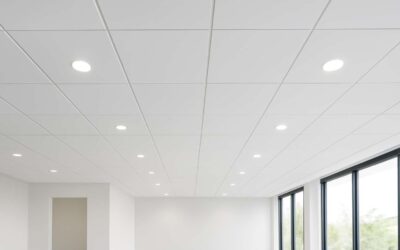
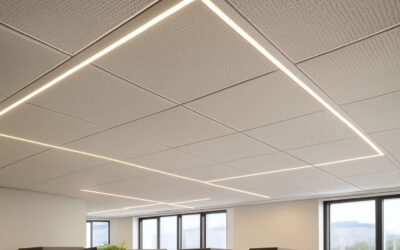
Choose patterns and textures that resist moisture and echo. Matte finishes soften reflections; acoustic trims reduce reverberation; moisture-friendly materials like mineral fiber or vinyl withstand SA humidity when paired with proper installation. Subtle diagonals or offset grids can add architectural rhythm without shouting.
- Modern Minimalist: clean lines, light neutrals
- Industrial Grid: metal or wood-look panels
- Warm Timber-Effect: inviting grain tones
- Soft Textured: patterns that diffuse sound
When choosing ceiling tiles for basement, consider how pattern and light work together to create height, calm, and ease of access.
Moisture and humidity considerations for basement spaces
Humidity can swing through South Africa basements—from 50% to a brisk 85%—and it shapes everything from light catch to sound. When selecting ceiling tiles for basement, durability and diffusion matter as much as shade. The right choice becomes a quiet stage for daily life.
Moisture and humidity considerations demand materials that stand up to damp air without warping. Look to mineral fiber or vinyl-faced panels, sealed at the edges, with a grid that breathes just enough. Install with vapor barriers and proper clearances to keep condensation at bay.
- Mineral fiber and vinyl-faced panels resist humidity and are easy to clean.
- Sealed joints and proper ventilation preserve acoustics while moisture fluctuates.
Beyond protection, these ceiling tiles shape mood and spatial rhythm. A soft matte finish reduces glare; diagonal layouts can visually lift low ceilings, while warm, timber-like textures invite conversation. I’ve learned that light, grain, and breath belong to the same room.
Basement Ceiling Tile Materials and Durability
Acoustic performance and sound control
Noise travels through a basement ceiling like wind through a canyon, and in many homes, comfortable quiet depends on this barrier—roughly 60% of perceived noise comes from overhead. The right ceiling tiles for basement can turn that chorus into a whisper. A smart choice blends durability with sound control, using materials that stand up to dampness and daily wear without sagging into the room.
Durability in basements comes from moisture-resistant cores and sealed edges, while acoustic performance depends on sound absorption. Tiles with solid NRC values reduce echo and create a calmer space, a welcome feature for basements with low ceilings in South Africa — ceiling tiles for basement.
- Mineral fiber tiles — solid sound absorption with good moisture resistance
- PVC/vinyl-faced tiles — excellent moisture resilience and easy cleaning
- Metal or alloy tiles — highly durable, modern aesthetic, less sound-absorbent
Moisture and mold resistance
In South Africa, up to 60% of damp basement issues begin at the ceiling. Humidity clings to walls and air, turning a quiet room into a damp chorus. The right ceiling tile can quiet that weather and restore a calm, dry hush above your head.
Basement tile choices balance durability with moisture defense. Consider these material families for lasting performance:
- Mineral fiber tiles: solid sound absorption with respectable moisture resistance
- PVC/vinyl-faced tiles: strong moisture resilience and easy cleaning
- Metal/steel tiles: exceptionally durable, modern look, but lower sound absorption
For ceiling tiles for basement, select products with sealed edges and moisture-resistant cores to stay sturdy under damp air.
Durability comes from sealed edges and moisture-tolerant cores, reducing sag and mold risk while preserving a clean, professional finish that endures South Africa’s climate.
Longevity and maintenance of tile materials
In SA, up to 60% of damp basement issues begin at the ceiling. Choosing ceiling tiles for basement isn’t just about aesthetics—it’s a shield against humidity, quieting the damp chorus above your head and restoring calm to a corner that should feel bright and dry.
Durability in basement tiles comes from sealed edges and moisture-tolerant cores, ready to resist drift and sag. Mineral fiber tiles offer solid sound absorption with moisture resistance; PVC/vinyl-faced tiles stand up to humidity and wipe clean; metal tiles are supremely durable with a contemporary edge.
- Sealed edges
- Moisture-tolerant cores
- Anti-microbial finishes
With proper care, these materials endure, preserving a clean, professional finish that ages gracefully in South Africa’s climate.
Cleaning and upkeep tips for basement ceilings
Sixty percent of damp basement issues begin at the ceiling. That’s not merely aesthetic—it’s a warning sign waiting to leak. ceiling tiles for basement act as a barrier against humidity, quieting the damp chorus and restoring brightness to a dry-feeling corner. Look for sealed edges, moisture-tolerant cores, and anti-microbial finishes; mineral fiber, PVC/vinyl-faced, and metal options blend durability with clean lines!
Durability comes from the right core and tight joints. Mineral fiber tiles deliver solid sound control with moisture resistance; PVC/vinyl-faced tiles shrug off humidity and wipe clean; metal tiles offer unmatched longevity with a contemporary edge. These materials age gracefully in South Africa’s climate—our experience backs that.
- Sealed edges
- Moisture-tolerant cores
- Anti-microbial finishes
Maintenance reads as a quiet, ongoing discipline: routine dusting, gentle cleaning with non-abrasive products, and periodic checks for moisture around joints. Proper ventilation helps finishes stay fresh and extends tile life.
Installation Guide for Basement Ceiling Tiles
Planning and measuring your ceiling space
Across South Africa, a stylish basement begins with the ceiling. In a recent SA housing survey, 58% of homeowners say the ceiling is the first detail guests notice when they step into a room. That attention is your ally when choosing ceiling tiles for basement—a game-changing element that sets the tone long before a lamp is lit.
Planning and measuring begin with a quiet, patient survey of the space. Consider dimensions, irregularities, and how the room’s silhouette shifts with furniture.
- Dimensions, geometry, and any nooks
- Joists, ductwork, and light runs that shape fit
- Access doors and service panels for future maintenance
This snapshot guides how ceiling tiles for basement harmonize with room height, existing service runs, and the overall mood you want to cultivate.
With these details, the ceiling becomes a canvas—subtle, practical, and ready to mirror your home’s character.
Framing and grid installation basics
That 58% moment—when the ceiling first asserts its presence—reminds us that the frame of a basement in South Africa is less a sheet of metal than a quiet horizon guiding every glance. Installing the framing and grid for ceiling tiles for basement is a study in restraint, geometry, and patience.
- Wall channels and chalk lines establish the fixed edge
- Main runners carry the beam of the room’s proportion
- Cross tees and tile banks define the surface grid and access points
The grid earns its place by balance—plumb, level, and respectful of service runs and joists—so the final ceiling reads as an extension of the space, not a separate cargo hold. In this light, ceiling tiles for basement emerge as a composed, architectural breath.
Safety considerations and common installation mistakes
In the hush between joists and shadows, safety stands as the quiet governor of any project. The night-blue allure of ceiling tiles for basement in South Africa can vanish in a single slip of attention, so we listen to the house: damp air, creaking beams, and the cold glare of a fluorescent bulb. Mindful builders treat the work as a ritual rather than a sprint.
Safety considerations keep the spectre of accident at bay, not as a tyrant but as a guardian.
- Electrical access and hidden cabling must remain undisturbed and visible for maintenance checks.
- Moisture, humidity, and mold risks demand compatible materials and proper ventilation.
- Grid alignment, weight limits, and see-through access points should not be rushed, as balance preserves the room’s mood.
Let the ceiling settle like a whispered oath, listening for the sounds of safety as the room breathes above and beyond.
DIY versus professional installation options
Across South Africa, installation choices for ceiling tiles for basement shape the room before the first clip snaps. DIY keeps costs lean but demands patience, basic tools, and a respect for safety. In damp spaces, a professional install adds moisture control know-how and grid stability. The result is a ceiling that stays true—quiet, straight, and easy to access for checks and maintenance!
- DIY installation: lower upfront cost, flexible schedule, and a hands-on sense of achievement.
- Professional installation: faster turnaround, warranty-backed quality, and confidence in moisture-prone basements.
- Hybrid approach: basic site prep done in-house, with a pro handling critical electrical and ventilation clearances.
Either path suits different budgets and timelines. The key is ensuring access points and lighting remain adaptable once the ceiling takes its final form.
Cost, Value, and Buying Guide for Basement Ceiling Tiles
Budgeting and price ranges by material type
Budgeting for ceiling tiles for basement is like charting a treasure map. In South Africa, options span from economical to premium, priced per square meter. A savvy plan balances upfront cost with long-term durability, moisture resistance, and easy maintenance—the trio that keeps your space fresh without surprise expenses.
Value blooms where quality meets practicality. Better tiles resist humidity, reduce echo, and boost resale appeal. A well-chosen ceiling lifts lighting, hides wiring, and adds a quiet confidence to any basement sanctuary.
Buying guide and price ranges by material type help you compare at a glance. Consider the balance of price, durability, and look for a compatible grid system. The following ranges offer a quick compass:
- Mineral fibre: R150–R350/m2
- PVC: R100–R250/m2
- Fibreglass: R200–R450/m2
- Stone wool: R180–R420/m2
Hidden costs and essential add-ons
Cost is the first conversation! In SA, ceiling tiles for basement options run from budget buys to premium fits, priced per square meter. Upfront price is only half the story; hidden costs sneak in via grid upgrades, moisture barriers, and fasteners. Balancing upfront spend with durability and easy maintenance keeps surprises away.
Value blooms where quality meets practicality. Better tiles resist humidity, reduce echo, and boost resale appeal. With the right choice for your basement, you gain quiet, durable surfaces that resist humidity and brighten the space for years to come.
Buying guide snapshot: seek a grid system that matches your room, check ratings for moisture and maintenance, and consider long-term costs beyond the sticker price for ceiling tiles for basement. Hidden costs can include upgrades to framing or seals, so balance durability with look and practicality.
Impact on energy efficiency and insulation
Ceiling tiles for basement can turn a chilly job site into a warmer, energy-efficient space. The upfront price is only part of the story; a quarter of heating energy can slip through an inadequately insulated ceiling, so the right tiles can quietly trim those bills while brightening the room. You’ll find options from budget-friendly to premium per square meter, each offering different lifespans and aesthetics.
Value blooms when durability meets practicality. Quality tiles stay looking sharp under SA sunlight, resist wear, and require minimal upkeep, all while helping the basement feel finished. The payoff is a space that remains appealing long after the paint dries and the lights settle in.
Buying guide: look for honest energy-performance ratings, warranty coverage, and a maintenance-friendly profile. Compare long-term costs against the initial sticker price for ceiling tiles for basement, and choose a finish that suits your room’s personality while staying within your budget.
Warranties, guarantees, and resale considerations
A surprising 25% of home heating escapes through an inadequately insulated ceiling, turning a basement into a chilly drain on the wallet. Ceiling tiles for basement offer an economy-minded shield: upfront price sits with long-term savings from reduced heat loss, spanning budget to premium options per square meter.
Value blooms where durability meets practicality: quality tiles resist SA sunlight, withstand wear, and demand little upkeep, so the basement continues to look finished and welcoming long after the paint dries. A well-chosen set of tiles helps the space feel engineered, not merely constructed.
Buying guide: warranties and guarantees matter when choosing ceiling tiles for basement. Look for coverage against moisture, delamination, and impact, and check transferability to new owners. Compare maintenance requirements and long-term costs before buying.
- Warranty length and coverage
- Transferability on resale
- Maintenance requirements


0 Comments