Overview and Benefits
What constitutes ultra-light ceiling panels
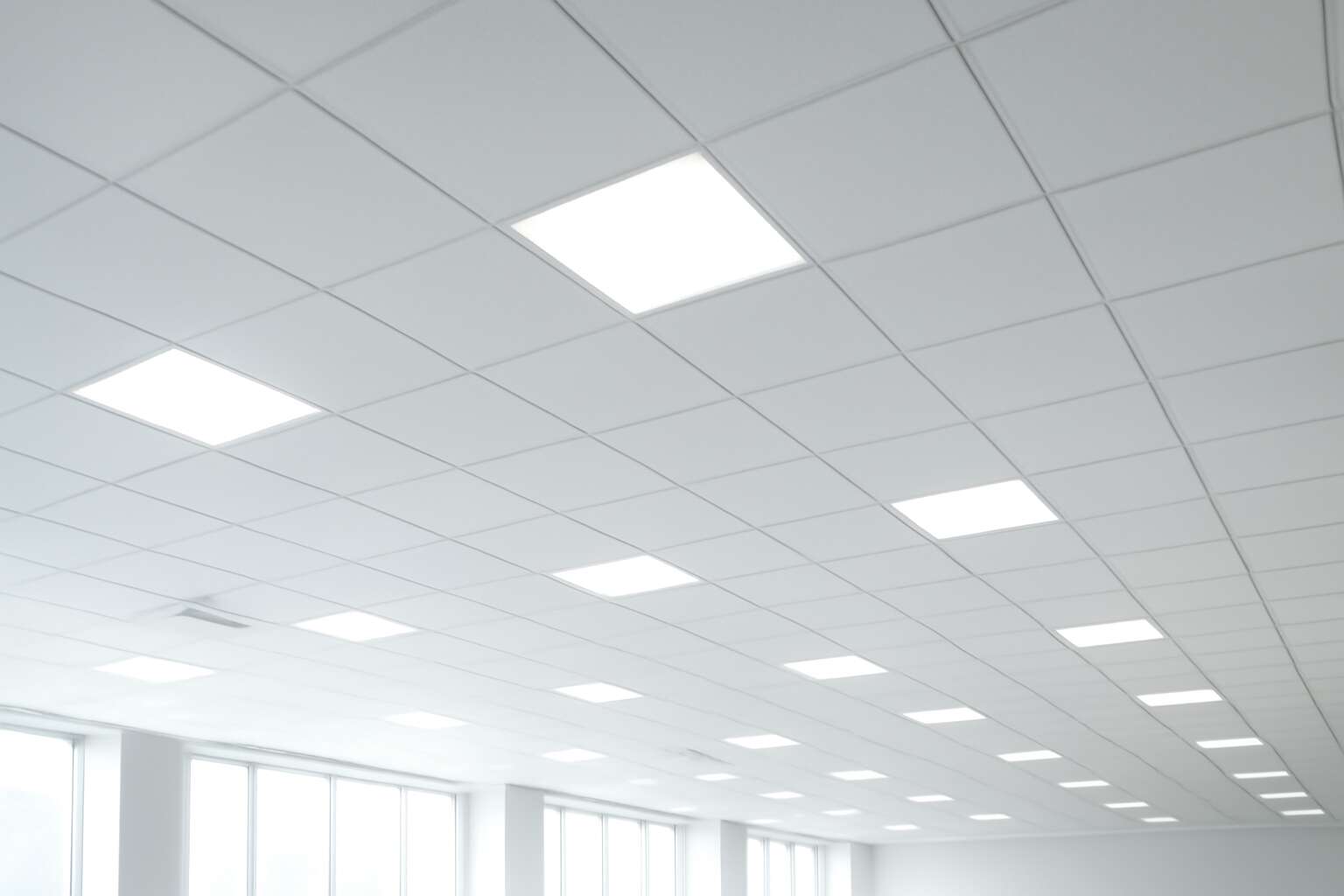
In a climate where building efficiency matters, ultra-light ceiling panels redefine what ceilings can be. In this context, lightweight ceiling tiles shift how spaces feel—strong yet almost invisible, like a well-placed thought that frees movement and light. These panels embody how design and engineering meet everyday life in South Africa.
Overview and benefits come together in three core ideas. Weight reductions speed installs, support easier on-site handling, and reduce structural demands. They also improve acoustics and thermal comfort without bulk, while lowering maintenance and lifecycle costs.
- Reduced weight = faster installation and lower structural load
- Enhanced acoustics and thermal performance with minimal depth
- Lower maintenance and lifecycle costs thanks to easier serviceability
Ultimately, lightweight ceiling tiles are a practical fusion of form and function—an unobtrusive anchor for modern spaces that invites light in and helps rooms feel larger!
Top benefits for retrofit and new builds
A ceiling can lift a room; with lightweight ceiling tiles, projects move faster and quieter. In South Africa, teams report up to 30% faster installs, turning tight retrofit timelines into smooth days. Lighter panels ease handling, reduce structural load, and let light wander with minimal depth—proof that design and engineering can be almost invisible yet life-changing.
Overview and benefits for retrofit and new builds converge on three ideas: speed on site, safer handling, and gentler structural demands. They also sharpen acoustics and thermal comfort without bulk, keeping spaces bright and comfortable.
- Faster installation and reduced structural load
- Safer, easier on-site handling
- Improved acoustics and thermal comfort with minimal depth
- Lower maintenance and lifecycle costs through easy serviceability
These panels are a practical fusion of form and function—an unobtrusive anchor for modern spaces that invites light and makes rooms feel larger.
Common materials and typical weights
In the South African design chorus, ceilings are turning into light feet that carry space and mood. Lightweight ceiling tiles ease lift and install, while preserving strength and serviceability. Typical panels clock in at roughly 1.5–4.5 kg per square meter, depending on core and facing, making them friendly to retrofit work and new builds alike.
- Gypsum-based: ~2.5–4 kg/m²
- Mineral fibre: ~1.8–3.5 kg/m²
- PVC foam or low-density composite: ~0.8–1.8 kg/m²
- Fibreglass or high-density composites: ~2–3 kg/m²
With those values, engineers and designers alike glimpse how form follows light. The result is more flexible spaces, easier maintenance, and an architecture that breathes—quietly, efficiently, and beautifully—with lightweight ceiling tiles guiding the light.
Materials and Construction
Mineral fiber options and gypsum boards
Imagine a ceiling that carries its weight with a whisper. For lightweight ceiling tiles, two materials shape the skyline of any room: mineral fiber options and gypsum boards. Mineral fiber blends, spun from silica and recycled content, deliver superb acoustic control and steadfast dimensions that resist sag over time. Gypsum boards provide a smooth, paint-ready surface and quick mechanical fastening, especially in retrofit projects where speed matters.
Consider these attributes when choosing between mineral fiber options and gypsum boards:
- Acoustic performance: mineral fiber excels in sound absorption, ideal for offices and living spaces.
- Fire and moisture resistance: gypsum boards provide robust protection in varied SA climates.
- Installation and finish: both systems enable rapid grid mounting and clean edges.
In South Africa’s mixed climate and retrofit culture, these materials empower ceilings to breathe—light in weight, strong in function.
Plastic and fiberglass composite options
A quiet revolution hushes through South Africa’s retrofit spaces: installs run 40% faster when lightweight ceiling tiles are chosen. The volume stays low, yet the impact roars. These tiles aren’t mere walls; they’re a philosophy. Plastic and fiberglass composite options carve a niche for sleek, durable ceilings that breathe with the room.
These materials blend form and function. Plastic composites bring moisture resistance and corrosion-free life, while fiberglass adds stiffness without the burden of weight. They install quickly, finish cleanly, and resist sag in long spans.
- Low weight for rapid installation
- Moisture and mold resistance
- Design flexibility and easy shaping
In SA’s climate, their resilience helps ceilings endure both sun and humidity, while offering a future-proof surface ready for paints and finishes. Ceilings crafted from plastic and fiberglass composites stand as quiet sentinels—strong, versatile, and almost spectral in their light touch.
Sustainability and eco-friendly choices
South Africa’s retrofit renaissance moves with a compelling stat: projects that embrace lightweight ceiling tiles report install times up to 40% faster. It’s more than speed; it signals a shift toward lighter footprints and healthier interiors. Sustainability threads through how they’re made, installed, and retired, creating ceilings that dream big without weighing the planet down.
- Recycled content and recyclability in lightweight ceiling tiles reduce landfill pressure
- Low embodied energy from local manufacturing and shorter supply chains
- De-installation-friendly designs that simplify refurbishments
These choices help ceilings endure SA’s sun and humidity while keeping finishes flexible. They invite future upgrades, hook into efficient HVAC, and quietly support certifications for green workflows—quietly powerful, with a light touch.
Weight comparison with traditional tiles
Lightweight ceiling tiles make a surprisingly sturdy impression. On average, they’re 40–60% lighter than traditional gypsum or mineral–fiber panels, which translates to lighter structures, easier handling, and fewer site bottlenecks during a retrofit. In South Africa’s climate, that means ceilings slip into place with grace, even when chasing a tight schedule and humid air!
- Weight benchmarks: lightweight ceiling tiles clock in roughly 2–4 kg/m2, versus 5–9 kg/m2 for traditional panels.
- Handling and installation: lighter panels demand less hoisting, fewer hands on deck, and quicker cuts to schedule.
- Logistics: lighter packaging and easier transport cut transport emissions and fatigue on crews.
Beyond the numbers, the flow is a design advantage: smaller mass means gentler loads on structure, smoother integration with HVAC, and ceilings that stay flexible for evolving finishes. Lightweight ceiling tiles prove that lightness can be respectable, even sophisticated, in a South African context.
Applications, Layout, and Acoustic Design
Best spaces and ceiling types for ultra-light panels
In South Africa’s dynamic spaces, lightweight ceiling tiles tell a story of efficiency and elegance. Applications span corporate offices, airports, galleries, schools, and hotels, concealing services while preserving airiness. The result is a refined silhouette that fits retrofit work and new-build projects, delivering swift installation and minimal disruption.
Layout embraces modular grids and service accessibility. A chosen pattern supports quick access to ducts and cabling while maintaining a clean ceiling line.
- Modular grids for rapid service access
- Open-plan compatibility with flexible panel sizes
- Easy removal for maintenance
Acoustic design thrives in boardrooms, education spaces, and public foyers. Perforations and thin profiles absorb sound without bulk, while lay-in and plank-ceiling types offer sculptural versatility and warmth worthy of SA interiors.
Acoustic performance and sound control features
More than 75% of retrofit projects accelerate on-site progress when lightweight ceiling tiles are specified. In South Africa’s vibrant spaces, these panels tell a story of efficiency and elegance, thriving in corporate offices, airports, galleries, schools, and hotels while concealing services and preserving airiness!
Layout embraces modular grids that speed service access without breaking the ceiling line—I’ve seen it work. A pattern supports quick duct access while maintaining a clean silhouette. It enables open-plan compatibility with flexible panel sizes and makes maintenance a breeze.
- Modular grids for rapid service access
- Open-plan compatibility with flexible panel sizes
- Easy removal for maintenance
Acoustic design flourishes in boardrooms, education spaces, and foyers. Perforations and thin profiles absorb sound like a whisper, while lay-in and plank-ceiling types offer sculptural versatility and warmth. Sound-control features—strategic perforations and absorptive backing—tame reverberation and keep conversations clear.
Aesthetic options and design versatility
In South Africa’s bustling spaces, more than 75% of retrofit projects accelerate on-site progress when lightweight ceiling tiles are specified. These panels lend efficiency and elegance, thriving in corporate offices, airports, galleries, schools, and hotels while concealing services and preserving airiness.
Layout embraces modular grids that speed service access without breaking the ceiling line. A pattern supports rapid duct access with a clean silhouette, enabling open-plan compatibility and flexible panel sizing. What a difference it makes!
- Modular grids for rapid service access
- Open-plan compatibility with flexible panel sizes
- Easy removal for maintenance
Acoustic design blossoms in boardrooms, classrooms, and foyers. Subtle perforations and slender profiles hush echoes, while lay-in and plank formats provide sculptural warmth and rhythm to the ceiling line. The aesthetic palette ranges from matte to reflective, with backing layers that tune reverberation and keep dialogue crisp.
Moisture resistance and humidity considerations
In SA, more than 75% of retrofit projects accelerate on-site progress when lightweight ceiling tiles are specified. These panels fit corporate offices, airports, galleries, schools, and hotels, delivering airiness while concealing services for a cleaner ceiling line.
- Corporate offices
- Airports and transit hubs
- Galleries and museums
- Schools and universities
- Hotels and hospitality venues
Layout embraces modular grids that speed service access without breaking the ceiling line. With lightweight ceiling tiles, the system stays tidy, enabling rapid duct access and open-plan compatibility through flexible panel sizing.
Acoustic design flourishes in boardrooms and foyers. Subtle perforations hush echoes, while moisture resistance and humidity considerations guide material choices—coastal humidity and inland heat demand backing layers to guard against sag and mould, keeping dialogue crisp.
Grid systems, installation, and integration tips
Applications span corporate offices, airports, galleries, schools, and hotels; these panels bring airiness while concealing services, accelerating retrofit timelines. In SA, more than 75% of retrofit projects accelerate on-site progress when lightweight ceiling tiles are specified.
Layout embraces modular grids that speed service access without breaking the ceiling line.
- Modular sizing for rapid duct and cable access
- Open-plan compatibility with minimal visual disruption
- Precise grid alignment with lighting and diffusers
Acoustic design flourishes in boardrooms and foyers; subtle perforations hush echoes while moisture considerations guide backing layers, guarding against sag and mould in coastal humidity and inland heat. These lightweight ceiling tiles perform with grace.
- Plan service routes before tiling and verify headroom
- Choose backing layers suited to local humidity and heat
- Coordinate with M&E and lighting for a seamless finish
Installation, Maintenance, and Longevity
Planning, cutting, and fitting tips
In every room, the ceiling is a quiet protagonist. A recent industry stat suggests up to 60% of perceived quality comes from ceiling design. lightweight ceiling tiles transform spaces with minimal heft, yet installation deserves respect: ensure grid compatibility, plan clean edge cuts, and mind tolerance gaps that betray intent.
Maintenance should feel effortless, almost meditative. Regular dusting with a soft cloth, avoiding harsh cleaners, and watching humidity help preserve color and size. When moisture resistance matters, choose tiles with suitable coatings; the right choice guards longevity without muffling acoustics.
Longevity hinges on thoughtful planning: leave margin for settling, select easy-replace panels, and confirm supply for South African projects. If cutting enters the conversation, the discipline of alignment reveals the care required to preserve endurance. lightweight ceiling tiles endure when treated as partners, not afterthoughts.
Cleaning, maintenance, and lifecycle care
Ceilings rarely steal the show—until lightweight ceiling tiles enter the room. They deliver a clean, high-impact finish without heavy lifting, and the result feels intentional and premium. A careful, even install breathes life into the space, letting light and acoustics perform without distraction.
Maintenance should feel effortless. Regular dusting with a soft cloth, avoiding harsh cleaners, and keeping humidity steady preserve color and size. Consider these quick steps:
- Dust with a soft cloth or microfiber
- Avoid harsh cleaners and solvents
- Maintain stable humidity to protect dimensions
Longevity hinges on foresight: leave margin for settling, opt for easy-replace panels, and confirm supply for South African projects. When cared for as partners, these tiles endure, aging gracefully while preserving form and function.
Tile replacement and repair options
Installation of lightweight ceiling tiles is about speed and precision. A well-planned grid with snap-in panels keeps lines clean and bays accessible for future updates. The result is a ceiling that feels restrained yet premium—easy to modify, difficult to notice. When installed correctly, these tiles perform as designed, supporting light, acoustics, and airflow without crowding the room.
Maintenance stays effortless when you choose systems with durable finishes and stable joints. Avoid overloading the grid, and accept that occasional panel swap is part of longevity. A measured approach keeps color, size, and performance intact.
Longevity comes from deliberate planning: allow for settling, select easy-replace options, and ensure local supply. For aspiring South African projects, lightweight ceiling tiles offer flexibility and resilience. Consider these repair and replacement choices:
- Modular, front-release panels for quick swaps
- Universal frame systems with standard replacement panels
- Seam trims and edge details that shield joints from moisture
- Local supplier stock to minimise downtime
Durability, impact resistance, and safety
Installation of lightweight ceiling tiles is a sprint of precision, turning crowded ceilings into clean skylines. In South Africa’s spaces, a planned grid with snap-in panels keeps lines sharp and bays open for future updates. These tiles rise with calm confidence, supporting light, acoustics, and airflow without crowding the room.
Maintenance stays effortless with durable finishes and stable joints. Avoid overloading the grid, and accept that occasional panel swaps are part of longevity. A measured approach keeps color, size, and performance intact.
- Durable finishes resist wear and humidity
- Stable joints minimise sag, gaps, and noise
- Local stock keeps lightweight ceiling tiles ready for quick replacement
Longevity comes from deliberate planning: allow for settling, choose easy-replace options, and ensure local supply. For South African projects, this strategy yields resilience, marrying impact resistance with safety by design. These tiles ease handling, reduce load, and stand ready for the next update.
Cost considerations and total cost of ownership
Installation of lightweight ceiling tiles is a measured craft, delivering crisp lines and safer spaces. In South Africa, a planned grid with snap-in panels keeps upgrades fast and disruptions low. These tiles rise smoothly, supporting light, acoustics, and airflow without crowding the room.
Maintenance stays straightforward when finishes resist wear and joints stay stable. Local stock means quick replacements, and occasional panel swaps preserve aesthetics with minimal fuss.
- Upfront cost versus lifecycle savings
- Ease of panel swapping and local availability
Longevity hinges on deliberate planning: allow for settling, choose easy-replace options, and align with supply chains. For South African projects, this approach balances safety by design with a lower total cost of ownership as spaces evolve.

0 Comments