
Preparation and Safety for Ceiling Tile Cuts
Assessing your space and planning the cut
A single misstep in a ceiling retrofit can cast a shadow over a room—and over your timetable. When lights are the prize, preparation isn’t vanity; it’s survival. Understanding how to cut ceiling tiles for lights starts with clarity: assess the space, map the grid, and respect the ceiling’s quiet geometry!
Assessing the space means noting tile types, grid layout, and where fixtures sit.
- Tile material and thickness
- Fixture location and clearance
- Hidden wiring and structural constraints
- Ventilation and dust control
Assessing the space also means forecasting dust, disruption, and duration. In South Africa’s dynamic work sites, clear communication with stakeholders safeguards airflow and containment. The aim is a clean, compliant fit that respects aesthetics, safety, and the hum of bustling environments.
Choosing ceiling tiles that accommodate lighting
Light changes everything in a room, and a clean cut of a ceiling tile can determine how gracefully a project lands. In South Africa’s bustling workspaces, preparation to accommodate lighting isn’t vanity; it’s discipline. how to cut ceiling tiles for lights begins with a quiet respect for space, airflow, and the room’s breathing rhythm.
- PPE and dust containment readiness
- Clear coordination with site stakeholders to minimize disruption
- Non-destructive grid checks and safe working environments
Choosing ceiling tiles that accommodate lighting means considering porosity, finish, and compatibility with fixtures above the grid, all while staying mindful of local safety codes and ventilation realities. The aim is a project that respects aesthetics, safety, and the hum of a busy SA site—where every ceiling line silently negotiates airflow and light.
Safety gear and precautions
Light is the room’s most honest critic, and the right cut respects space as much as airflow. “Precision is polite,” a seasoned South African tradesperson likes to remind me, and the line sticks like dried resin in a toolkit.
Preparation and safety set the tone before any blade touches tile. To keep the air clean and the crew calm, assemble a compact PPE and dust containment plan:
- Safety eyewear (ANSI-rated or equivalent)
- NIOSH-approved respirator or P2 mask for fine dust
- Hearing protection in noisy environments
- Gloves and long sleeves to protect hands
- Hard hat and non-slip footwear as needed
- Plastic sheeting and floor-to-ceiling dust barriers
- HEPA vacuum and damp rags for cleanup
Coordinate with site stakeholders to minimize disruption; a quick pre-cut walk-through with the electrical team helps everything above the grid stay predictable. A tidy site is a courteous one and the kind that finishes on schedule.
Non-destructive grid checks and a safe working environment are essential. Use a spare tile to test a cut and verify your template before the real thing. If you’re wondering how to cut ceiling tiles for lights, remember that careful measurements and tidy dust control are your best accomplices.
Measuring for precision
The cleanest cut in a ceiling is the one nobody notices—until it changes the room’s mood. In this quiet work, preparation and safety set the tone for precision, not bravado. I’ve learned that measuring with purpose and respecting space makes or breaks the moment when lights finally breathe evenly.
When you’re considering how to cut ceiling tiles for lights, the idea isn’t flash but alignment—templates, reference lines, and a steady hand. A calm site, clear communication with the team, and dust control that leaves the air as it was found keep the project moving without drama.
In South Africa, that disciplined approach isn’t optional; it’s respectful workmanship, a moral margin around every cut, where accuracy becomes trust between installer and owner.
Checking local codes and electrical safety
A quiet hook for the senses: “The room breathes best when the ceiling holds its light without a squeak.” In South Africa, safety and codes are a steady rhythm that guides even the gentlest cut. If you’re curious how to cut ceiling tiles for lights, preparation begins with a map of rules and a steady, respectful hand that values space as much as surface.
- Local codes and electrical safety requirements governing ceiling penetrations.
- Professional oversight by a licensed electrician and adherence to electrical standards.
- Dust containment planning to protect occupants and HVAC systems.
- Documentation coordination with the building owner and project manager to keep approvals transparent.
In a South African milieu, this discipline is more than protocol—it’s respect etched into brick and plaster, a moral margin around every cut where accuracy builds trust between installer and owner.
Tools and Materials for Cutting Ceiling Tiles
Hand tools and power tools you may need
Light travels best when the cut is honest and clean. For those tackling how to cut ceiling tiles for lights, the right toolkit in South Africa is as crucial as a steady hand. A focused kit keeps mistakes from turning into costly rework, and I’ve seen it let you thread silken light across the room rather than chasing shadows. Posture, patience, and the right blades fuse art with practical geometry.
- Sharp utility knife with spare blades
- Metal ruler or straight edge
- Ceiling tile cutter or fine-toothed saw
- Jigsaw or rotary tool with a fine blade
- Hole saw for fixtures
- Dust mask and safety glasses
Add the finishing touches: masking tape to mark cut lines, a pencil for marks, and a spare tile or two for test fits. With sturdy gloves and a dust mask, you’ll navigate cut lines and fixture openings with a surgeon’s calm!
Choosing the right blade and saw for tile material
In lighting projects, crisp edges frame the glow. A seasoned installer once declared, “Honest lines equal honest light,” and that ethos guides every choice when exploring how to cut ceiling tiles for lights.
Tiles vary—gypsum, mineral fibre, and PVC—and each blade cuts differently. For gypsum and mineral fibre, fine-toothed carbide blades cut cleanly; for PVC, sharp carbide-tipped blades work best. A jigsaw with a fine blade helps curves, while a hole saw sizes openings.
- Fine-toothed carbide blade for gypsum/mineral fibre
- Carbide-tipped blade for PVC
- Jigsaw blade with fine teeth
- Hole saw sized to fixture openings
Choosing the right tool set turns rough surfaces into clean canvases of light, with minimal waste and easier fixture fitting. In South Africa, local hardware stores stock these blades; the goal is a quiet, precise cut.
Measuring and layout aids
A precise cut begins with a quiet measurement and a patient layout—a heartbeat of the ceiling, whispering where light will land. When you master how to cut ceiling tiles for lights, the glow travels along clean, deliberate lines, not guesswork. Sustained accuracy comes from the right measuring and layout aids.
Tools of the trade are simple but exact. Gather these essentials:
- Measuring tape with metric and imperial readings
- Chalk line for straight, dry-mark layouts
- Straightedge or spirit level to keep edges true
- Laser level to map ceiling alignment across wide spans
- Templates and markers to trace fixture openings
Keep a scrap tile handy as a test patch and carry masking tape to protect surrounding surfaces. In South Africa, local hardware stores stock these aids, making precise planning feel almost effortless—like drafting light itself.
Optional safety accessories and storage
Tools and materials for cutting ceiling tiles for lights should feel simple yet precise. Knowing how to cut ceiling tiles for lights lets the glow rest on clean lines—a quiet architecture of light that refuses to be hurried. In South Africa, reliable basics wait at local hardware stores, ready to answer the call of design.
Gather these essentials in one ready-to-go kit:
- Measuring tape with metric and imperial readings
- Chalk line for straight, dry-mark layouts
- Straightedge or spirit level to keep edges true
- Laser level to map ceiling alignment across wide spans
- Templates and markers to trace fixture openings
Keep a scrap tile for tests and a roll of masking tape to protect surfaces as you work.
Optional safety accessories and storage complete the ritual: safety glasses, cut-resistant gloves, and a dust mask keep your eyes and hands calm; store blades in a labeled case and keep spare tapes neatly in a box. The result is a workflow that feels almost ceremonial—like drafting light in a room that deserves to glow.
Measuring, Marking, and Layout for Light Fixtures
Exact measurements for cutouts
In South Africa’s bustling renovations, mismeasured cutouts drive rework—roughly a quarter of ceiling tile projects stumble on a hurried layout. Measuring, marking, and layout set the tone for a clean, cohesive lighting scheme.
Measuring starts with clear reference points—grid lines, corners, and anchor points. Confirm twice; a single misstep compounds into misaligned fixtures. When exploring how to cut ceiling tiles for lights, the aim is symmetry and calm edges.
- Grid alignment and centrepoints
- Symmetry for balanced illumination
- Edge allowances for tile thickness
Marking and layout translate measurements into a practical plan. Use a light touch with pencil or chalk and align centrepoints with the grid. These elements keep the surface calm and the fixture focal, even under busy South African ceilings.
Marking templates and patterns
In South Africa’s bustling renovations, a sobering stat: 25% of ceiling tile projects end up re-cut after a hurried layout. Measuring starts with clear reference points—grid lines, corners, anchor points. Confirm twice; a single misstep compounds into misaligned fixtures. When exploring how to cut ceiling tiles for lights, aim for symmetry and calm edges.
Marking and layout translate measurements into a practical plan. Use a light touch with pencil or chalk and align centrepoints with the grid. Marking templates and patterns for light fixtures helps keep the surface calm and the fixture focal in busy South African ceilings.
- Template choice that suits tile size
- Centerpoint verification against the grid
- Edge lines that read cleanly across panels
Taken together, the approach turns complex geometry into a quiet rhythm of panels and light—proof that precision can feel almost luxurious when ceilings behave.
Centering for fixtures
In South Africa’s bustling renovations, a sharp ceiling says more than a well-timed compliment. When it comes to how to cut ceiling tiles for lights, the secret begins with solid measuring against reference points and grid lines—clear corners, anchored points, and a double-check.
Marking templates and patterns turn those measurements into a quiet plan. Use a light touch with pencil or chalk and align centrepoints with the grid. The following checklist keeps the surface calm:
- Template choice that suits tile size
- Centerpoint verification against the grid
- Edge lines that read cleanly across panels
Taken together, the approach turns complex geometry into a quiet rhythm of panels and light—proof that precision can feel almost luxurious when ceilings behave.
Accounting for tile joints and alignment
Ceiling drama doesn’t hinge on big lighting—it’s all in the alignment. In South Africa’s bustling renovations, a well-timed panel can turn a plain ceiling into a feature. Mastering how to cut ceiling tiles for lights is less sorcery and more a quiet ballet of measuring, marking, and grid respect.
Measuring feeds the plan. You anchor your lines to reference points and respect tile joints, letting layout decisions ripple across the ceiling with calm precision. Marking templates to the grid keeps the drama clean, while edge lines read across panels without hesitation.
- Centerpoints verified against the grid for true symmetry
- Joints aligned to preserve consistent gaps
- Edges and panels balance across the entire ceiling
Quiet, confident execution follows—where geometry becomes rhythm and light follows order.
Dry fitting before permanent cut
Dark ceilings pulse with potential when you measure once and cut once. For those learning how to cut ceiling tiles for lights, I map from the grid—anchor lines, shadowed margins, and the fixture’s intended cradle. A quiet dry-fit, not a rush, lets the ceiling breathe before any permanent incision. I test fit with templates, letting the layout guide the joints and edges so the room’s rhythm remains intact.
- Preview alignment by placing tiles against the grid as a tentative ballet
- Templates whisper the fixture outline onto the ceiling plane
- Let spacing and clearances reveal the ceiling’s balance before any cut
When the dry fit sings, marking becomes a ritual—centerpoints, offsets, and the gentle curvature of the grid guiding your hand. Layout across the ceiling should feel like a chorus, each tile bearing its share of the light’s tempo.
Cutting Techniques and Installation Steps
Sawing and scoring methods suitable for tile material
Across SA’s sunlit interiors, ceiling tiles become the quiet stage for every fixture. The craft lies in choosing the right technique for the tile material and the cut, turning a rough outline into a clean, precise opening. This is where the idea of how to cut ceiling tiles for lights steps into the light with discipline and flair.
Sawing offers depth where tiles are rigid, while scoring respects softer surfaces. A fine-tooth blade glides through mineral fiber or PVC with a restrained, steady pass, yielding edges that stay true across the grid. For denser composites or ceramic substitutes, a controlled scoring method or dedicated tile cutter helps preserve integrity.
- Follow a straight guide for consistency
- Make light, controlled passes to maintain edge quality
- Draft openings as templates before the final cut
Let the preliminary check stand as the final page before installation; when alignment sings, the light spills evenly and the room breathes with clarity.
Creating precise openings for recessed lighting
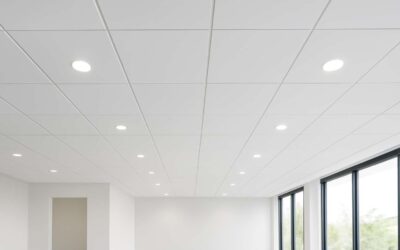
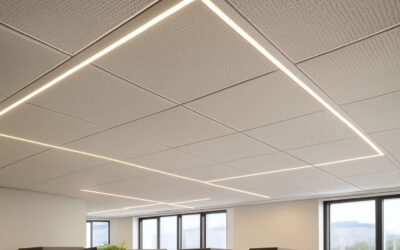
Across South Africa’s sunlit interiors, precise lighting can lift a room’s spirit by up to 15% in perceived brightness and warmth. When considering how to cut ceiling tiles for lights, precision is the hinge between a clean opening and a misaligned glow that fights the grid.
Sawing and scoring methods come alive here. For mineral fiber, a fine-tooth blade and restrained passes keep edges true; for softer PVC, scoring and controlled breaks can yield a flawless edge. Dense composites benefit from a guided cut and careful templates to preserve tile integrity.
- Template-driven layouts
- Edge finishing for a clean reveal
- Dry fitting for alignment
Installing the opening becomes part of the room’s choreography. Align with the light’s center, settle the tile into the grid, and verify even spill and uniform shadowing before the final fixture sits in. This quiet ritual keeps the room breathing with clarity.
Managing tile edges and corners
A clean edge is the difference between a ceiling that glows softly and a room that looks like it fell off a grid. When you consider how to cut ceiling tiles for lights, the edges deserve as much care as the center. Materials answer to different temperaments: mineral fiber edges deserve restrained passes; PVC edges respond to scoring with a neat break; composites crave a guided touch to avoid chatter. For those curious about how to cut ceiling tiles for lights, the principle remains the same: precision and restraint define the reveal.
- Edge finishing options that reveal a crisp seam
- Corner treatments to prevent chipping in busy spaces
- Consistency checks to ensure a uniform reveal with the grid
In the end, the installation becomes a quiet choreography, where the reveal frames the glow and the tile joints vanish into a disciplined silhouette. In South Africa’s sunlit interiors, this balance reads like good manners—subtle yet essential.
Cutting around existing fixtures
Inside South Africa’s sunlit interiors, the trick is deciding how to cut ceiling tiles for lights with grace. Precision here makes the glow feel effortless, the reveal breathing softly rather than shouting for attention.
Cutting around existing fixtures requires a restrained hand and respect for the grid. Start with a template that mirrors the fixture’s silhouette, apply a gentle score, and let the tile fall cleanly into place. The aim is calm seams and predictable texture across the ceiling.
- Template-driven openings for clean reveals
- Edge control that preserves tile integrity
- Grid-aligned placements for a seamless flow
That balance turns work into a quiet choreography, where light takes center stage and tiles fade into the silhouette.
Dry fit and final installation
Light shapes rooms as surely as weather shapes harvest. In South Africa’s sunlit interiors, how to cut ceiling tiles for lights can tilt a space from glare to grace, inch by deliberate inch.
During the dry-fit phase, we preview the layout with quiet patience, pressing tiles along the grid to feel the rhythm of light and edge. The aim is a seamless reveal where seams breathe, not shout.
- Template-driven alignment that preserves the ceiling’s calm rhythm
- Edge care that protects tile integrity and long-term look
- Graceful transitions where light takes center stage with restraint
Final installation feels like quiet choreography, with the glow settled into its silhouette and the room exhaling in balance.


0 Comments