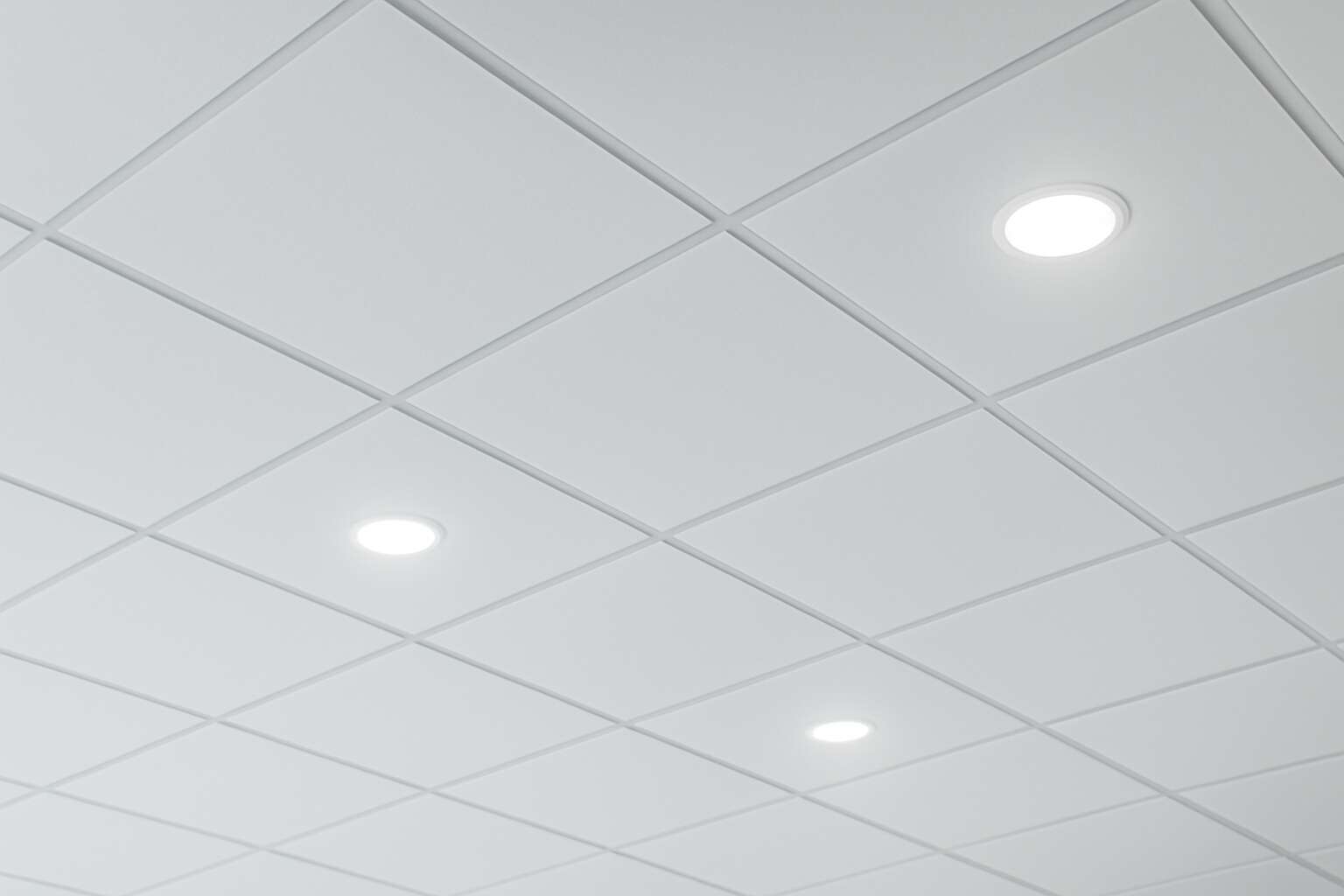
Tile Ceiling Topics Outline
Tile material options and aesthetics
In SA spaces where sunlight fights for shade, ceiling tiles aren’t filler—they set mood, acoustics, before anyone speaks. “Texture and tone start above the desk,” says a South African designer, and the line sticks!
Material options swing from mineral fiber to metal and wood-look composites, each delivering a distinct aesthetic and acoustic vibe. Coastal humidity matters; urban interiors crave crisp lines and reflective finishes that snap in bright light.
- Mineral fiber — superb acoustics, light, and easy maintenance.
- Metal — clean lines, modern sheen, and rugged durability.
- Wood-look composite — warmth without warping, great for lounges and studios.
- Gypsum or plaster — smooth ceilings with quiet fire-resistance and polish.
Choosing ceiling tiles is less about hiding wires and more about texture, colour, and the geometry of a room that feels taller and livelier. A well-chosen tile can turn a plain ceiling into the first line of visual storytelling—without shouting.
Installation basics and room planning
In South Africa’s sunlit rooms, ceiling tiles do more than hide wires—they shape mood and mute clatter before a single sentence is spoken. A well-chosen option can make spaces feel taller, calmer, and more alive. “The ceiling writes the first line of a room’s story,” notes a Cape Town designer, reminding us that texture and tone rise above the desk.
Before hammering in any grid, take room planning seriously. Outline where light, vents, and fixtures sit, and let that guide the layout of tiles.
- Consider room dimensions and how services influence a balanced grid.
- Let lighting placement guide edge alignment to reduce glare.
- Anticipate access panels and ducts within the ceiling rhythm for maintenance.
- Choose materials that respond to humidity and daily use.
When the plan respects height, rhythm, and light, ceiling tiles hold the room together as a quiet, practical stage for daily life.
Acoustic performance and environmental impact
Across South Africa’s sunlit offices, acoustic comfort is a productivity lever that quietly shifts the day. Ceiling tiles act as the space’s quiet conductors, shaping soundscapes with absorbent charm. When rooms fill with chatter, these tiles soften the chorus, dampening reverberation and footstep clang so conversations feel closer and clearer.
Environmentally minded options reduce the footprint of a project from the outset. They frequently carry recycled content and employ low-VOC binders, easing indoor air quality and waste streams. Seek end-of-life recyclability and take-back options that keep materials circulating rather than ploughing into landfills.
- Recycled content and responsible sourcing
- Low-VOC finishes for healthier interiors
- End-of-life recyclability and take-back programs
Choosing tiles becomes a pact with the room’s future—sound, sustainability, and a softer atmosphere that invites focused work and quiet conversation.
Maintenance, durability, and budgeting
A robust office runs on unseen metrics, and a room’s quiet is a big one: studies peg acoustic comfort as a top productivity driver. Office surveys show up to 60% of perceived productivity variance tied to acoustic mood. With that in mind, ceiling tiles are less cosmetic fixtures and more durable allies—built to brave SA’s sun-drenched corridors, humidity, and the occasional spill. They quietly influence maintenance cycles and budget conversations without shouting about it from the ceiling.
Three levers keep maintenance, durability, and budgeting honest:
- Durability: materials engineered to resist humidity, temperature swings, and sunlight fade typical of South African offices.
- Maintenance: accessible designs that allow cleaning or discreet replacement without a full ceiling teardown.
- Budgeting: total cost of ownership, including replacement intervals and disposal or recycling options.
When the numbers line up, the room stays calm and ready for long days of focused work—no drama, just dependable texture.

0 Comments