Understanding Ceiling Tiles and Their Pricing Factors
Types of Ceiling Tiles – Exploring different materials such as acoustic, metal, vinyl, mineral fiber, and fiberglass
Ceiling tiles are more than mere functional elements; they are silent custodians of atmosphere, aesthetics, and acoustic harmony within a space. The price of ceiling tiles varies dramatically, shaped by an intricate interplay of material composition, manufacturing intricacies, and intended application. An understanding of these variables reveals that a modest investment can profoundly influence both ambiance and long-term maintenance costs.
Among the diverse spectrum of materials, acoustic ceiling tiles often command a premium due to their specialised sound-absorbing properties, essential in environments demanding acoustic finesse. Metal ceiling tiles, celebrated for their durability and sleek modernity, tend to carry a higher price tag but offer longevity that can offset initial expenses. Vinyl tiles, with their versatility and affordability, present a compelling option for budget-conscious projects, while mineral fibre and fiberglass tiles balance cost with superior fire resistance and soundproofing capabilities.
- Material type and quality
- Manufacturing complexity and design intricacies
- Size and thickness of the tiles
- Installation method and labour costs
- Additional features, such as fire-resistant coatings or decorative finishes
In essence, the price of ceiling tiles encapsulates a nuanced calculus—each material choice and feature adding layers of value and expense, ultimately shaping the character and utility of a space. Recognising these factors enables a more informed approach to selecting ceiling tiles that align with both budget and vision.
Common Materials and Their Cost Implications – How material choice influences price
In the shadowy realm of interior design, the price of ceiling tiles often hides secrets beneath their surface, whispering tales of material mastery and craftsmanship. Every choice—be it acoustic, mineral fibre, or metal—casts a long, dark silhouette over your budget, revealing how material selection influences cost. It’s not merely about aesthetics but about the profound impact on long-term expenditure and atmospheric finesse.
Material composition is the keystone in this cryptic puzzle. Acoustic ceiling tiles, for instance, are prized for their sound-absorbing qualities and tend to command a higher price due to specialised manufacturing processes. Meanwhile, vinyl tiles offer affordability and versatility, making them a popular choice for those seeking efficiency without sacrificing style. Metal ceiling tiles, renowned for their durability and sleek modernity, often come with a heftier price tag but promise longevity that can justify the initial expense.
- Size and thickness: Larger, thicker tiles often demand more intricate fabrication, nudging the price upward.
- Additional features: Fire-resistant coatings or decorative finishes add a layer of complexity, subtly inflating the overall cost.
Ultimately, the price of ceiling tiles is a reflection of their material quality, manufacturing intricacies, and the nuanced dance of design desires. Understanding these factors transforms a simple purchase into a calculated investment—an act of creating atmospheres layered with shadows and whispers, where every penny spent shapes the haunting beauty of the space.
Size and Dimensions – Standard vs. custom sizes and their impact on cost
The price of ceiling tiles is not simply a matter of surface appeal; it’s a reflection of their size and dimensions, woven into a complex tapestry of architectural intent and budgetary restraint. Larger tiles, while offering a seamless aesthetic, often demand more intricate manufacturing processes—pushing the price of ceiling tiles upward. Thicker variants, designed for enhanced durability or acoustic performance, also carry a premium, whispering their value through the cost.
When contemplating standard versus custom sizes, the difference becomes stark. Standard ceiling tiles are produced en masse, making them more affordable and readily available. Conversely, custom-sized ceiling tiles—crafted to meet unique spatial demands—inflate the price of ceiling tiles significantly. This upcharge accounts for specialised fabrication and bespoke finishing, transforming a simple element into a tailored expression of space.
- Standard sizes are cost-effective and quick to install
- Custom dimensions offer design flexibility but at a higher price of ceiling tiles
Ultimately, understanding how size and dimensions influence the price of ceiling tiles allows for a more conscious, almost philosophical approach to interior architecture—where every centimetre and weight bears the weight of meaning, value, and the haunting beauty of a space crafted with intention.
Design and Aesthetic Features – patterned, textured, and decorative options affecting pricing
Ceiling tiles are more than just a functional ceiling covering; they’re a canvas of creativity that can dramatically influence a space’s vibe. When considering the price of ceiling tiles, design and aesthetic features play a starring role. Intricate patterns, textured surfaces, and decorative elements transform a plain ceiling into a statement piece—though these embellishments often come with a higher price tag. Such options are perfect for those who view ceilings as the fifth wall, deserving of as much artistic attention as the walls themselves.
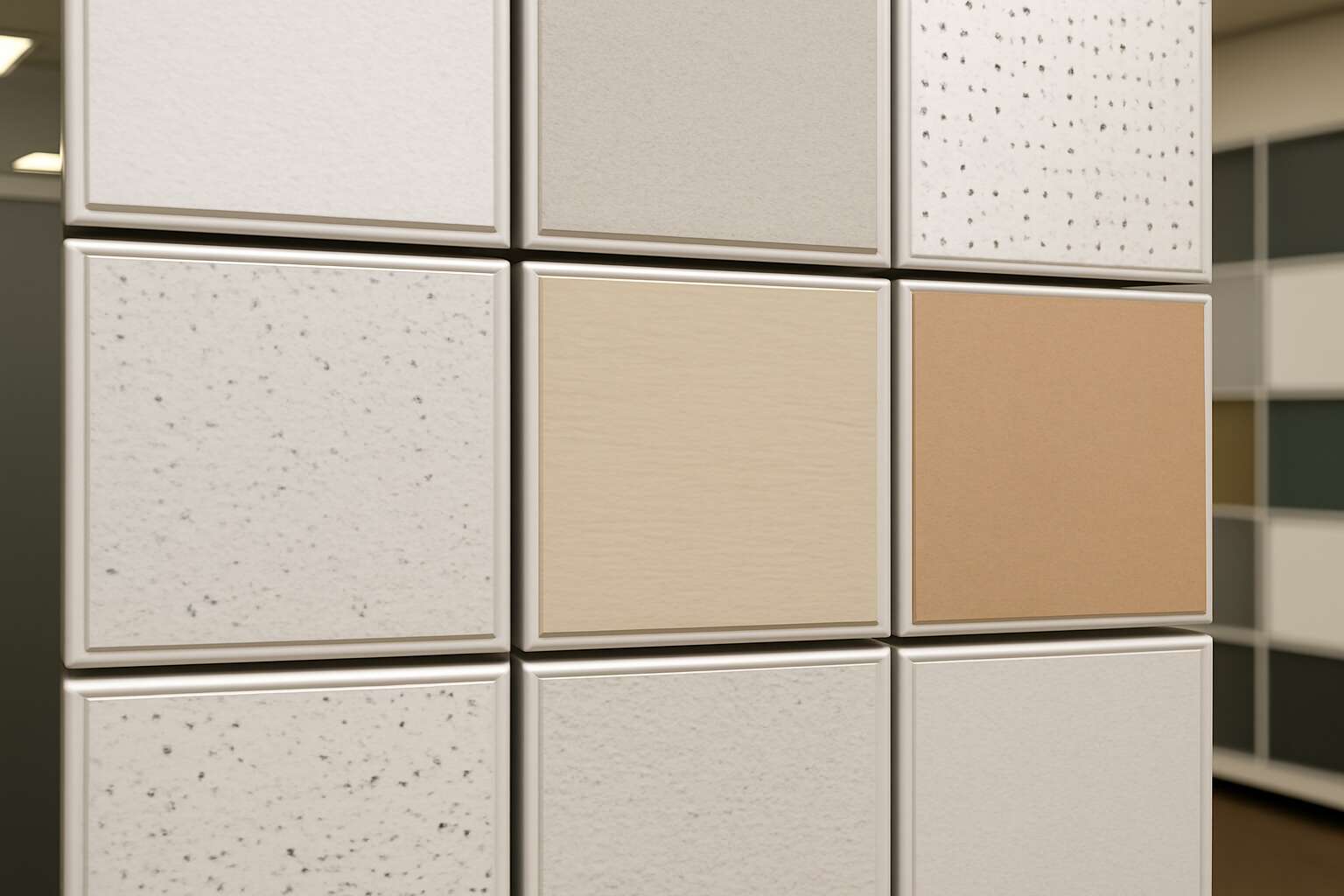
Beyond visual appeal, the price of ceiling tiles can also be affected by their unique design features. For example, textured tiles can hide imperfections while adding depth, but they tend to be pricier than smooth alternatives. Patterned tiles, especially those with elaborate motifs, demand more manufacturing finesse—pushing up costs. Sometimes, a simple upgrade in aesthetic features can turn an ordinary ceiling into a captivating focal point, but it’s worth noting that this often means a bump in the overall price of ceiling tiles.
- Material complexity: Decorative tiles often require specialised materials or finishes, impacting the overall cost.
- Manufacturing intricacy: Intricate patterns or textured surfaces involve more complex production processes, influencing the price of ceiling tiles.
- Customisation: Bespoke designs or personalised motifs, while stunning, can significantly inflate costs due to bespoke fabrication.
Ultimately, the design and aesthetic features of ceiling tiles are a balancing act—between visual impact and budget constraints. Yet, understanding how these elements influence the price of ceiling tiles allows for smarter choices, where style and economy meet in perfect harmony—without sacrificing the space’s soul or your wallet’s sanity.
Cost Breakdown Based on Ceiling Tile Types
Acoustic Ceiling Tiles – Price range and factors affecting cost
When it comes to the price of ceiling tiles, acoustic ceiling tiles tend to be the divas of the bunch—demanding a premium for their sound-absorbing prowess. On average, you’ll find these whisper-quiet performers range from £15 to £40 per square metre, but beware—costs can skyrocket depending on the intricacies of your chosen style. Factors such as fire resistance, moisture resistance, and whether the tiles feature a high-end textured or patterned finish dramatically influence the final bill.
In the world of ceiling tiles, complexity equals cost. For instance, a simple, standard-size acoustic tile might cost less, but if you opt for a bespoke, decorative design, prepare to pay a premium. The size and dimensions—standard versus custom—are notable cost drivers, often adding 10-20% to your budget. So, if you’re eyeing a ceiling upgrade that combines style and function, expect to navigate a labyrinth of pricing considerations that make the overall price of ceiling tiles more than just a matter of square footage.
Metal Ceiling Tiles – Pricing considerations and variations
When navigating the labyrinthine corridors of ceiling design, metal ceiling tiles emerge as a striking choice—balancing durability with aesthetic allure. The price of ceiling tiles crafted from metal varies widely, shaped by the intricacies of material finish and manufacturing process. A basic aluminium or steel tile might whisper modestly at the lower end of the spectrum, but as your desires grow to include ornate patterns or specialised coatings, costs can escalate dramatically.
Metal ceiling tiles are not merely functional; they are statements of sophistication. Their price considers both the raw material and the artistry involved—whether a simple brushed finish or a high-gloss, embossed surface. For projects demanding bespoke dimensions or intricate detailing, expect to pay a premium that reflects craftsmanship and exclusivity.
- Material quality and finish
- Size and customisation
- Patterned or textured surface
- Additional fire-resistant or moisture-proof treatments
In essence, the price of ceiling tiles, especially metal varieties, dances to the tune of design complexity and functional enhancements. The allure of metal combines resilience with visual impact, but it also commands a price that echoes its premium appeal. When considering your ceiling upgrade, remember that each detail—every finish and feature—contributes to the grand tapestry of your budget, making the journey of choosing ceiling tiles as captivating as the ceiling itself.
Vinyl Ceiling Tiles – Affordable options and their typical costs
The price of ceiling tiles can vary significantly based on material type and quality, and vinyl ceiling tiles are often the most budget-friendly option. Known for their affordability, vinyl ceiling tiles typically fall within a cost range of £5 to £15 per square metre, making them accessible for most projects. Their simplicity and ease of installation contribute to their popularity among homeowners and contractors alike.
What’s more, vinyl ceiling tiles come in a variety of finishes and styles, allowing for customisation without breaking the bank. For those seeking decorative appeal, textured or patterned vinyl tiles can slightly elevate the overall price, but they remain a cost-effective choice compared to premium materials like metal or mineral fibre. When considering the total project budget, it’s essential to factor in both the specific style you desire and the quantity needed, as bulk purchases often result in better value.
Ultimately, understanding the price of ceiling tiles, especially vinyl varieties, helps in making informed decisions that balance aesthetics, functionality, and budget constraints. Whether you’re upgrading a small office or renovating a large commercial space, vinyl ceiling tiles offer a practical and economical solution without sacrificing style.
Mineral Fiber and Fiberglass Tiles – Cost analysis and value
When exploring the price of ceiling tiles, mineral fibre and fibreglass options stand out for their unique balance of cost and performance. Mineral fibre tiles, renowned for their excellent acoustic properties, typically range from £10 to £20 per square metre. Their affordability combined with sound-absorbing capabilities makes them a favourite in commercial settings where noise reduction is paramount.
Fibreglass tiles, on the other hand, often sit slightly higher on the price spectrum, averaging between £15 and £25 per square metre. They offer exceptional durability and a sleek, modern aesthetic, making them a compelling choice for high-traffic environments. The cost difference between these two types reflects their distinct material qualities and the value they deliver in terms of longevity and acoustic performance.
- Material durability and acoustic features
- Design and aesthetic customisation options
- Size and installation complexities
Understanding these factors helps in gauging the real value behind the price of ceiling tiles, especially when considering long-term maintenance and visual appeal. While mineral fibre tiles provide excellent cost efficiency, fibreglass tiles may justify their higher price through superior resilience and a refined look, ensuring that your ceiling not only functions well but also enhances the space’s overall ambience.
Factors Affecting the Price of Ceiling Tiles
Installation Costs – Labor and complexity considerations
In the shadowed corridors of construction, the true cost of ceiling tiles extends far beyond mere material choices. Labour and complexity considerations cast an almost ominous pall over the final price of ceiling tiles, transforming a straightforward task into a delicate dance of precision and artistry. When skilled craftsmen navigate intricate ceiling designs or uneven surfaces, the labour costs escalate, often exponentially, whispering tales of meticulous effort and expertise.
The complexity of installation can turn a simple ceiling into a labyrinth of challenges. For instance, suspended ceilings with custom fixtures or unique architectural features demand a higher price of ceiling tiles due to the specialised skills required. This is where the unspoken truth of the trade reveals itself: the more elaborate the design, the greater the labour investment, and consequently, the higher the price. Sometimes, a straightforward job can spiral into an elaborate endeavour, pushing the cost into uncharted territories, where the mundane becomes extraordinary.
Brand and Quality – Premium vs. budget-friendly options
The price of ceiling tiles is often a mirror reflecting the very soul of their quality and brand reputation. In the shadowed corridors of the marketplace, premium brands stand as towering monoliths, offering durability, aesthetic finesse, and longevity. Their cost can seem daunting, yet they promise a symphony of craftsmanship that budget-friendly options rarely match. Conversely, economical choices whisper affordability but often sacrifice the finesse and resilience that elevate a space from mundane to mystical.
To navigate this labyrinth of choices, consider the following factors:
- Brand prestige and craftsmanship
- Material durability and finish
- Design intricacy and decorative features
These elements weave a complex web, influencing the ultimate cost of ceiling tiles. In the end, selecting between premium and budget-friendly options is a dance of desire and practicality—each with its own price of ceiling tiles, resonating with the echoes of quality and value.
Quantity and Order Size – Bulk purchasing discounts
In the realm of ceiling aesthetics, the price of ceiling tiles often mirrors the scale of their grandeur and the scope of their deployment. When ordering in bulk, the financial landscape shifts dramatically—quantities matter. Large orders unlock the gates to significant discounts, transforming what might seem like a hefty investment into a more manageable treasure trove. Suppliers frequently offer tiered pricing, rewarding bulk purchases with cost savings that can elevate the entire project’s value.
For those embarking on sizeable ventures, it’s prudent to explore the nuances of quantity and order size.
- Volume discounts
- Tiered pricing structures
- Flexible payment options
These elements weave into the fabric of the overall cost, making the price of ceiling tiles more favourable for large-scale projects. Understanding the relationship between order size and price can turn an ordinary ceiling upgrade into a masterstroke of budget mastery, all while maintaining the integrity of your chosen design and material quality. After all, in the world of ceiling tiles, size isn’t just a matter of space—it’s a key to unlocking better value and enhanced cost efficiency.
Location and Market Trends – Regional price variations and seasonal influences
In the complex world of interior design, the price of ceiling tiles often reflects more than just material costs; it embodies regional nuances and market dynamics that can both surprise and challenge even seasoned professionals. Variations in regional pricing stem from factors like transportation logistics, local demand, and economic conditions. For example, urban centres with high construction activity often see elevated prices, whereas rural areas might enjoy more favourable rates due to lower demand.
Seasonal trends also influence the price of ceiling tiles, with certain periods seeing a spike in costs due to increased demand or supply chain disruptions. During peak building seasons, suppliers may tighten their margins, prompting buyers to seek out strategic purchasing windows. Interestingly, some markets experience a lull in activity, which can be an opportune moment for procurement, often resulting in more competitive pricing.
Understanding these regional and seasonal influences can be the key to acquiring ceiling tiles at a more favourable rate—turning what seems like an ordinary purchase into a calculated move with substantial financial benefits.
Additional Expenses to Consider
Preparation and Surface Repairs – Costs associated with prepping ceilings
When considering the price of ceiling tiles, many overlook the hidden costs that can escalate the overall expense. Preparation and surface repairs are often underestimated but are crucial for a seamless installation. If the ceiling surface is uneven, cracked, or stained, it demands thorough cleaning, patching, or sanding before new ceiling tiles can be affixed properly. Neglecting this step can compromise the longevity of the tiles and inflate future repair costs.
Surface repairs can involve more than just patching holes; issues such as water damage or mould may require specialised treatments, adding to the initial investment. Additionally, the level of preparation needed directly influences the total cost, sometimes doubling the initial price of the ceiling tiles itself. In some cases, it’s worthwhile to budget for these preparatory expenses upfront, ensuring a smooth installation process and a polished final look. Ultimately, understanding the true scope of surface repairs offers clarity and helps prevent unexpected financial surprises when calculating the overall price of ceiling tiles.
Installation and Mounting Hardware – Fixings, suspension systems, and accessories
When estimating the true cost of ceiling tiles, many overlook the additional expenses tied to installation and mounting hardware. These seemingly minor details can significantly inflate the overall budget, especially if you’re unaware of the required fixings, suspension systems, or accessories. While the price of ceiling tiles is often front and centre, the hardware needed for secure and durable installation shouldn’t be dismissed.
In some cases, specialised mounting systems or custom fixings are necessary to accommodate specific ceiling types or aesthetic preferences. For example, suspended ceilings may require robust suspension grids, while decorative tiles might demand unique clips or adhesives. Failing to account for these costs can lead to unexpected expenditure, sometimes doubling the initial estimate. An ordered list of common installation components includes:
- Ceiling tile clips and fasteners
- Suspension grids or frameworks
- Adhesives or mounting tapes
- Edge trims and finishing accessories
Budgeting for these elements upfront ensures a smoother installation process and helps maintain control over the overall price of ceiling tiles. Remember, the hardware isn’t just a supporting cast—it’s essential for a professional finish and long-lasting results. Ignoring these costs can turn what seemed like a manageable project into an unexpected financial burden, especially when working with complex or large-scale installations.
Maintenance and Longevity – Expected lifespan and costs over time
In the shadowy realm of ceilings, the true cost of transforming a space extends far beyond the initial price of ceiling tiles. Hidden expenses lurk beneath the surface—those shadowy costs of maintenance and longevity that can turn a seemingly straightforward project into a labyrinth of financial surprises. As the years pass, what begins as an affordable investment can morph into a costly affair if overlooked.
Ceiling tiles are not eternal. Their lifespan hinges on the material, environment, and level of upkeep. For instance, mineral fibre tiles may withstand the ravages of time with proper care, but fibre glass options might demand more frequent replacement due to wear or damage. To truly grasp the long-term investment, one must consider the expected costs over the lifespan of the tiles. Factors such as cleaning, repairs, and eventual replacement should be woven into the initial budgeting process.
Additionally, some ceiling types require specialised maintenance—like acoustic tiles needing gentle cleaning or protective coatings that preserve their aesthetic appeal. Over time, these maintenance needs contribute to the total expenditure, subtly inflating the overall price of ceiling tiles when viewed over decades. Remember, the true price of ceiling tiles isn’t just in their purchase but in their enduring service and the care they demand as they age.
Where to Buy Ceiling Tiles and Get the Best Price
Home Improvement Stores – Popular retailers and pricing advantages
In the pursuit of transforming interiors with elegance and precision, knowing where to buy ceiling tiles at the best price can turn a mundane upgrade into a masterstroke of design. Home improvement stores stand out as veritable treasure troves, offering a diverse array of options that cater to every aesthetic and budget. These retailers often feature competitive pricing advantages, especially when purchasing in bulk or during seasonal sales. For those seeking quality without compromise, popular retailers such as B&Q, Wickes, and Screwfix frequently provide extensive selections of ceiling tiles at favourable prices, boasting both affordability and variety.
To navigate the labyrinth of options, consider exploring the pricing structure across different outlets. Large chain stores often have strategic discounts on popular materials like vinyl and mineral fibre tiles, making them ideal for cost-conscious projects. Moreover, some stores provide exclusive deals or loyalty programmes that further reduce the price of ceiling tiles, especially when buying in larger quantities. For those keen on customised dimensions or specialised decorative designs, it’s worth comparing prices between retailers to uncover the most advantageous deal. Ultimately, knowing where to buy ceiling tiles can elevate a renovation from a routine task into a celebration of craftsmanship and style.
Specialty Suppliers – Advantages of professional suppliers
For those seeking the best price of ceiling tiles, specialty suppliers often hold the key. Unlike mass-market retailers, professional suppliers focus on offering a curated selection of high-quality materials, ensuring you get the most value for your money. Their expertise means you’re more likely to find custom sizes or decorative designs that fit your unique aesthetic, all while maintaining competitive pricing. Furthermore, ordering directly from these specialists can open doors to bulk discounts and favourable trade rates—cost-saving advantages that aren’t always available elsewhere.
In fact, many professional suppliers provide exclusive access to premium brands and specialised finishes that can elevate your interior design without breaking the bank. This is particularly true when considering the price of ceiling tiles—where quality and durability often go hand-in-hand with cost. Whether you’re after acoustic, mineral fibre, or metal ceiling tiles, these suppliers offer tailored options that meet both your budget and your specific requirements. The advantage of working with such specialists is clear: you gain insight into pricing structures and material efficiencies that can transform your renovation project into a seamless investment rather than an expense.
Some suppliers even feature online ordering platforms with transparent pricing models, simplifying the process of comparing costs across different materials and sizes. This transparency makes it easier to identify the most economical choice—especially for large-scale projects.
- Exclusive trade discounts
- Customised dimensions
- Premium quality at accessible prices
All these elements combine to make professional suppliers a formidable resource in the quest for the optimal price of ceiling tiles. Their specialised inventory and expert guidance can turn a simple upgrade into a statement of craftsmanship and value, proving that sometimes, the best deals are found where true professionals operate.
Online Marketplaces – Comparing prices and ensuring quality online
In today’s digital marketplace, finding the most competitive price of ceiling tiles hinges on smart comparison and discerning quality checks. Online marketplaces have revolutionised how we source building materials, offering a vast array of options at our fingertips. These platforms enable buyers to browse through multiple vendors, scrutinise detailed product descriptions, and read genuine customer reviews—empowering you with transparency and confidence.
To ensure you’re getting the best deal, consider exploring popular online retailers and specialised platforms. They often feature dynamic pricing, seasonal discounts, and exclusive online-only deals that can significantly lower the overall cost of ceiling tiles. For larger projects, bulk purchase discounts can make a substantial difference, especially when ordering from reputable online suppliers with streamlined logistics.
- Compare prices across several sites to identify consistent pricing patterns and avoid inflated costs.
- Pay close attention to product quality and material specifications, as the cheapest option isn’t always the best value.
- Check for any additional costs such as delivery fees or hardware accessories that could impact the final price of ceiling tiles.
By leveraging the expansive reach of online marketplaces, you can navigate the complex terrain of pricing structures with greater ease. This approach allows for an informed decision, balancing budget constraints with the desire for durable, visually appealing ceiling tiles. In an era where digital transparency reigns, ensuring you secure the optimal price of ceiling tiles becomes not just a matter of cost, but a strategic investment in your space’s aesthetic and longevity.
Wholesale Distributors – Cost benefits of bulk buying
For those seeking the best price of ceiling tiles, wholesale distributors often present a compelling option. Buying in bulk from these suppliers can drastically reduce costs, making them ideal for large-scale projects or commercial installations. The cost benefit of bulk buying is clear: the more you purchase, the lower the unit price, which can translate into significant savings over time.
Many wholesale suppliers offer flexible pricing structures, especially when order quantities surpass standard minimums. This can include discounts on hardware accessories and installation materials, further enhancing the overall value. Additionally, wholesale distributors often stock a wide range of ceiling tiles—be it mineral fibre, vinyl, or metal—allowing you to compare options without multiple visits to different retailers.
- Access to exclusive deals and seasonal discounts
- Streamlined logistics and faster delivery
- Better negotiation power for large orders
Whether sourcing from specialised online marketplaces or local trade outlets, buying from wholesale distributors can be a game-changer when aiming to optimise the price of ceiling tiles. It’s a strategic move that balances quality, durability, and cost, especially when bulk purchasing aligns with project timelines and budget constraints.
Tips for Saving on Ceiling Tile Costs
Choosing Cost-effective Materials – Balancing aesthetics and budget
In the world of interior embellishments, few elements are as deceptively impactful as ceiling tiles. Surprisingly, the price of ceiling tiles can vary more dramatically than a chameleon at a garden party. While opting for budget-friendly vinyl ceiling tiles might seem prudent, the allure of high-end patterned or textured options can rapidly inflate costs. Striking a delicate balance between aesthetics and budget often hinges on selecting cost-effective materials that still deliver on visual appeal. For those seeking to stretch their budgets further, bulk purchasing from wholesale distributors or online marketplaces can offer significant discounts, transforming a potentially exorbitant project into a manageable investment.
Additionally, understanding regional market trends and seasonal fluctuations can reveal unexpected savings. Home improvement stores and specialty suppliers often feature promotional deals designed to entice the discerning buyer, but these can be fleeting. In some cases, the choice of standard sizes over custom dimensions could cut the overall cost of ceiling tiles without sacrificing style. Ultimately, a savvy approach—considering both the immediate price of ceiling tiles and their long-term maintenance costs—ensures that your ceiling remains both beautiful and budget-conscious for years to come.
Bulk Purchasing Strategies – Maximizing discounts
In the realm of interior design, few elements wield as much influence over a space’s character as ceiling tiles. Yet, when it comes to the price of ceiling tiles, surprises lurk around every corner—sometimes soaring, sometimes plummeting. For those eager to unlock the secret to cost-saving without sacrificing style, bulk purchasing strategies offer a treasure trove of opportunities. Buying in large quantities from wholesale distributors or online marketplaces can dramatically reduce the overall expenditure, transforming an otherwise hefty price of ceiling tiles into a more manageable affair.
Strategic planning is key; selecting standard sizes over custom dimensions often trims costs without diminishing visual appeal. Moreover, tapping into regional market trends or seasonal promotions can unveil hidden discounts—like discovering a rare gem in a sea of ordinary stones. By embracing a savvy approach that considers both immediate expenses and long-term maintenance, you can craft a stunning ceiling that stays within your budget’s embrace. After all, the magic of a well-chosen ceiling tile lies not just in its appearance but in the harmony between cost and beauty.
DIY Installation Tips – Reducing labor costs with proper planning
In the intricate dance of interior design, the price of ceiling tiles often wields a surprising influence over the final masterpiece. When embarking on a renovation or new build, understanding how to cut costs without sacrificing aesthetic charm can feel like searching for a hidden treasure. One of the most effective strategies is meticulous planning—aligning your DIY installation efforts with cost-efficient choices can make a significant difference. Proper preparation, such as ensuring the surface is smooth and free of debris, not only smooths the installation process but also reduces the risk of costly errors.
For those eager to master the art of savings, consider breaking down the process into manageable steps:
- Gather all necessary tools and hardware beforehand to avoid multiple trips and delays.
- Opt for standard-sized ceiling tiles, which are generally easier and cheaper to install than customised options.
- Take precise measurements to minimise waste—every scrap saved is a coin earned.
By embracing these simple yet effective measures, you can turn what might seem like an expensive endeavour into a rewarding DIY project—adding both beauty and savings to your space. Remember, the key lies in balancing the allure of decorative ceiling tiles with the practical wisdom of cost-conscious decisions, ensuring the enchanting allure of your ceiling doesn’t come at an unreasonable price of ceiling tiles.
Timing Your Purchase – Best seasons and sales periods
Timing your purchase of ceiling tiles can be the difference between a budget-friendly renovation and an unexpectedly high expense. Market trends reveal that the **price of ceiling tiles** fluctuates considerably throughout the year, often influenced by seasonal demand and promotional campaigns. Typically, late winter and early spring are prime seasons where retailers clear inventory, offering substantial discounts on ceiling tiles.
Shopping during these periods can yield significant savings. Many suppliers also run sales around major holidays or end-of-year clearance events, making it an ideal opportunity to acquire quality tiles at a reduced cost.
To optimise your budget, consider tracking market fluctuations and subscribing to newsletters from reputable suppliers. Their alerts often highlight upcoming sales, giving you a strategic edge in timing your purchase. After all, understanding the ebb and flow of the **price of ceiling tiles** transforms a routine home improvement task into a calculated financial move—one that can leave your wallet smiling.


0 Comments