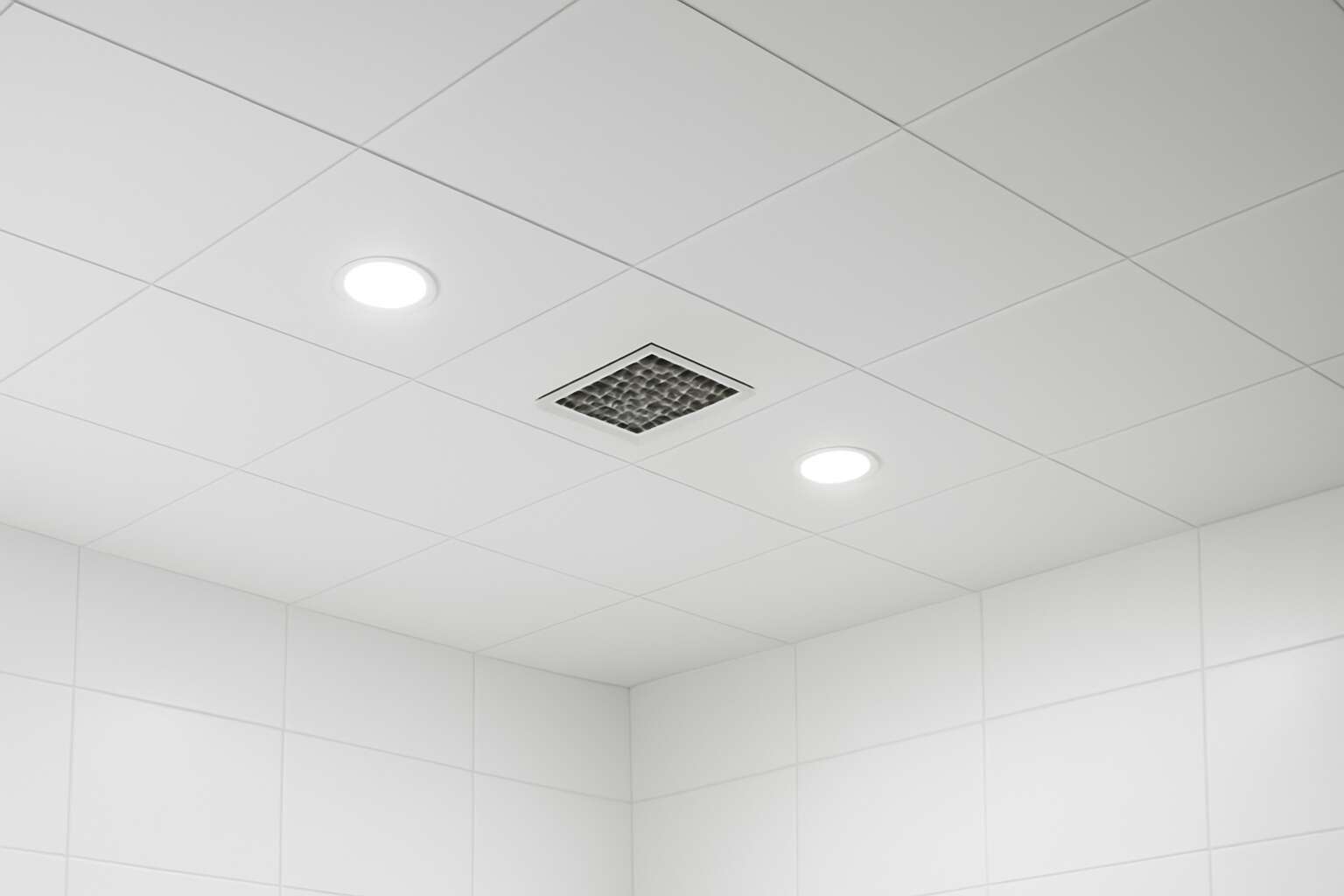
Choosing bathroom ceiling tiles: key considerations
Moisture resistance and IP ratings for bathroom ceilings
Humidity never clocks out in a bathroom. In South Africa, moisture cycles are constant, and the right choice of ceiling tiles for bathroom can spare you costly repairs. Durable tiles stay looking fresh while resisting mould and sagging in steamy mornings.
Key considerations are moisture resistance and IP ratings. A higher IP rating indicates better protection against splashes and steam. For most zones, look for IP44 or higher; near showers you’ll want tougher specs. Materials like PVC or fibreglass are naturally more moisture-friendly than plain plaster.
- Moisture resistance aligned to bathroom zones
- Easy cleaning to resist mould and soap scum
- Durable, water-repellent materials
- Ventilation compatibility and seal options
Choosing ceiling tiles for bathroom means balancing aesthetics with technical performance. I’ve learned that balance matters. A well-chosen panel keeps dampness at bay and reduces maintenance, making the room feel brighter and safer, even during South Africa’s humid spells.
Tile types overview: vinyl, PVC, metal, and fiber cement
In South Africa, steamy mornings turn the ceiling into a canvas where light meets resilience. The right ceiling tiles for bathroom elevate everyday routines into a luminous moment above the sink and mirror, turning humidity into an ally rather than a nemesis.
Tile types overview: vinyl, PVC, metal, and fiber cement offer distinct textures and resilience, pairing elegance with everyday practicality in South Africa’s homes.
- Vinyl: pliable, budget-friendly and forgiving in damp zones
- PVC: dense, moisture resistant, ideal for steamy bathrooms
- Metal: sleek, reflective surfaces that elevate ceilings with a modern glow
- Fiber cement: robust, warp-resistant, available in timber-like or smooth finishes
Choosing among these options means balancing aesthetics with performance, yielding a brighter, safer space that ages gracefully through SA’s seasons—without sacrificing character or charm.
Size, pattern, and layout considerations for small bathrooms
The ceiling is the fifth wall, designers remind us, and in small SA bathrooms that wall makes or breaks the mood. Choosing ceiling tiles for bathroom can transform daily rituals—where light lingers above the mirror and humidity becomes a design ally.
- Size matters: opt for tiles that suit the room height; large tiles can open space, while smaller tiles add texture without clutter.
- Pattern and finish: light, matte, or subtly textured patterns bounce light and hide humidity traces better than glossy darks.
- Layout: consider square or modular grids that align with plumbing and cabinetry to keep lines clean and the eye at ease.
For small bathrooms, a strategic layout emphasizes clean lines and even light distribution, ensuring ceiling tiles for bathroom age gracefully while keeping the space perceived larger and welcoming.
Maintenance, cleaning, and long-term durability for bathroom ceilings
Bathroom ceilings speak volumes in South Africa’s humid climates. ‘The ceiling is the fifth wall!’ a designer notes, and well-chosen ceiling tiles for bathroom keep rituals bright rather than dampened by steam.
Maintenance starts at installation: quality sealants and proper ventilation matter! Clean with a soft cloth and mild detergent; avoid harsh solvents that dull finishes. Long-term durability comes from sealed joints and stable color that resists mould.
Choosing ceiling tiles for bathroom means balancing care with resilience. To keep them looking sharp, follow a simple routine:
- Moisture management and humidity adaptation
- Non-abrasive, non-toxic, easy-to-clean finishes
- Durability of seams and UV stability
With the right approach, bathroom ceilings stay fresh for years—and the space feels larger, calmer, and easier to maintain.
Materials and durability for bathroom ceiling tiles
Moisture resistance and mold prevention
Humidity is a constant in South African bathrooms. The right ceiling tiles for bathroom keep moisture at bay and stay looking sharp for years, even in steamy showers.
Durable composites and non-porous surfaces resist moisture and staining. A lightweight panel that won’t warp or corrode helps a damp ceiling look pristine, season after season.
Smart design and finish choices drive moisture resistance and mold prevention. Consider tight joints, sealed edges, and coatings that inhibit mildew:
- Sealed, waterproof edges that stop water wicking between panels
- Non-porous, wipe-clean surfaces that deter mold
- Smooth or micro-textured finishes that shed moisture easily
Choosing ceiling tiles today means fewer repairs tomorrow and a calmer ceiling under your roof.
Impact resistance and sagging considerations
South African bathrooms breathe steam and spray, and the ceiling must endure without warping. Materials engineered for durability—rigid composites, non-porous laminates, and cementitious cores—deliver impact resistance and resist sagging, keeping the canopy pristine long after the last towel has dropped.
- Reinforced cores resist dents and scratches, helping panels keep their shape under impact.
- Sealed, moisture-blocking edges stop water wicking between panels on steamy mornings.
- Sturdy hangers and a tight grid system distribute weight to minimize sag over time.
- Low-porosity, wipe-clean surfaces stay pristine despite cleaners and humidity.
Choosing ceiling tiles for bathroom is a quiet act of care, aligning form with function, resilience with ease of maintenance, and granting your ceiling a serene, unbowed horizon. In South Africa’s climate, seek products that balance impact resistance with dependable sag control.
Acoustic performance and sound dampening
In a sunlit South African bathroom, steam is a constant companion, and materials must endure without surrendering shine. Materials engineered for durability—rigid composites, non-porous laminates, and cementitious cores—deliver lasting performance, resisting dampness and daily wear. When these are joined by moisture-blocking edges and sturdy grids, your ceiling stays pristine longer, quietly doing its job, and I see the result in every bathroom.
Acoustic performance adds another layer of comfort: dense cores and tight seals absorb and dampen the chorus of showers and towel-drops, so conversations stay clear and mornings feel serene. Ceiling tiles for bathroom should balance resilience with sound management, turning humidity and bustle into a hushed, spa-like atmosphere.
- High-density cores improve sound dampening without sacrificing strength
- Sealed edges prevent moisture wicking between panels
- Low-porosity, wipe-clean surfaces stay bright and airy
Non-toxic and low-VOC options for bathrooms
Steam is the uninvited houseguest in South African bathrooms, and ceiling tiles for bathroom must endure without surrendering their shine. “Durability is the new luxury,” quips a designer who knows humidity.
Material choices range from rigid composites to cementitious cores and non-porous laminates, each delivering lasting performance in humid air. Non-toxic and low-VOC options ensure a cleaner breathing space while preserving brightness.
- Non-toxic and low-VOC options for bathrooms
- High-density cores resist sag and maintain strength
- Sealed, wipe-clean surfaces keep humidity at bay
With moisture-aware edges and sturdy grids, these tiles offer lasting resilience in sunlit, water-warm rooms—proof that beauty and durability can share a bathroom, and yes, I call that a quiet triumph.
Warranty and lifespan factors for ceiling tiles
Humidity in South African bathrooms is a stubborn companion, but ceiling tiles for bathroom engineered for the climate stand up to steam and sun-warmed air. Materials range from dense composites to moisture-hardy laminates, each with sealed edges that wipe clean in a heartbeat. When edges stay tight and surfaces stay bright, the ceiling keeps its quiet glow through years of daily use.
Warranty and lifespan hinge on several factors, from material quality to installation craft. A reliable warranty signals testing, accountability, and aftercare. Consider these essentials:
- Quality core material and sealed surface
- Professional installation with proper backing and ventilation
- Climatic exposure and routine cleaning practices
- Manufacturer warranty length and terms
With the right blend of craft and care, these tiles mature into steadfast guardians of light, resisting humidity’s quirks and the blaze of routine cleaning.
Design styles for bathroom ceiling tiles
Crisp white contemporary ceiling ideas
Bright, unfussy ceilings can redefine a bathroom in seconds. “White ceilings aren’t just bright; they’re an optical hack for tight spaces,” a seasoned designer notes. Crisp white contemporary ceiling ideas turn a small bath into an airy, spa-like retreat—without heavy textures or busy contrasts.
Design styles for ceiling tiles for bathroom run from minimalist to geometric, with crisp white at the center. Consider these directions:
- Minimalist clean lines and uninterrupted planes
- Geometric grids that create quiet rhythm
- Soft, textured panels for subtle depth
- Glossy versus matte finishes to capture light
Texture, light, and location all matter here, and these choices keep the look versatile for bold fixtures or quiet neutrals. The result is a backdrop that makes ceiling tiles for bathroom feel essential rather than secondary, turning crisp white into a canvas for daily rituals.
Classic coffered and grid patterns
“A ceiling isn’t just a ceiling; it’s a stage for light,” a Cape Town designer notes. I’ve seen how classic coffered and grid patterns shift a bathroom’s vibe in minutes, turning the ceiling into architecture. For many South African homes, ceiling tiles for bathroom provide the clean backbone of a calm morning ritual. These options deliver depth and rhythm that can transform a small space in seconds.
- Classic coffered panels with shadow lines for depth
- Geometric grid patterns that read as quiet rhythm
Soft textures and carefully chosen finishes—matte for a restrained look or a subtle gloss to bounce daylight—keep these styles versatile. When paired with well-placed lighting, they become architectural features rather than background.
Metallic and reflective ceilings for bathrooms
Metallic and reflective ceilings do more than shimmer; they sculpt light in a tiny space. A design survey shows rooms with reflective panels feel up to 25% brighter, a crucial edge in South African bathrooms where natural light is precious. In South Africa, ceiling tiles for bathroom can transform a ceiling from a backdrop to a stage for your daily ritual.
Consider these finishes to capture different moods:
- Brushed aluminum for a cool, architectural vibe
- Mirror-polished panels to double daylight without bulk
- Copper or brass tones for warmth and character
Pair metallic ceilings with warm LED layers to avoid glare. Choose panel scales that suit the room size; larger tiles create the illusion of height, smaller grids add texture. The result is a ceiling that feels engineered—yet effortless— elevating the bathroom’s design narrative.
Textured and embossed tile options
Ceiling tiles for bathroom deserve a standing ovation—the design stats back it up: rooms with textured ceilings feel up to 18% more luxe and brighter. In South Africa, savvy installations turn a ceiling from backdrop to stage for daily rituals.
Textured and embossed options let light sculpt the surface rather than simply bounce off it. Think micro-embossed linen for a calm, spa-like feel; bold geometric facets that catch shadows; and subtle pebble patterns that echo coastlines. These textures read as architectural accessories, not afterthoughts.
- Micro-embossed linen for a calm, spa-like feel
- Geometric facets to create dynamic light plays
- Pebble-inspired textures for a coastal touch
Match these finishes with warm LED layers, and the ceiling stops being a backdrop and starts narrating the room’s daily rituals—with SA practicality intact, of course!
Color and paintable tile options for customization
In South Africa, design styles for ceiling tiles for bathroom go beyond function; they shape the room’s light and mood. Modernist lines mingle with coastal warmth, while artisan textures range from satin-smooth to sculptural. The ceiling becomes stage and chorus, catching every beam and shadow.
Color and paintable tile options let you tailor the ceiling to your room’s mood. Neutrals, ocean blues, and warm greys can be tinted to suit the mood, offering a durable, moisture-ready finish for SA bathrooms. Under bright LED layers, hue and shadow keep the space expressive rather than timid.
- Soft neutrals expanding space
- Coastal blues and greens for calmness
- Graphite and metallic accents for drama
Here, color and texture converse with light, and the ceiling becomes part of the daily ritual—never merely a backdrop.
Installation, ventilation, and code considerations for bathroom ceiling tiles
Preparation, removal, and surface prep for tile ceilings
Take a breath—the bathroom you imagine can become real with ceiling tiles for bathroom that both endure and enchant. In South Africa, humidity relentlessly tests ceilings, but a careful installation plus proper ventilation can cut moisture issues by up to half, turning a damp space into a calm, luminous retreat.
- Ventilation performance in humid environments and the impact on ceiling tiles for bathroom longevity.
- Code compliance and regional standards affecting bathroom ceiling installations.
- Moisture management options, including backing boards and barriers that protect against water ingress.
Preparation, removal, and surface prep for tile ceilings can feel ceremonial. The process involves inspecting for mold, patching cracks, drying the surface completely, and priming with a mold-resistant sealer. A flat, clean canvas ensures long-lasting adhesion and a pristine finish.
With proper prep, these tiles deliver durable, moisture-smart performance.
DIY vs professional installation tips
Humidity is the silent co-conspirator in SA bathrooms, gnawing away at mood and moisture management alike. The ceiling tiles for bathroom you choose, paired with sensible ventilation, can transform a damp space into a bright, breathable retreat. DIY curiosity versus professional expertise is your call.
Ventilation performance in humid environments governs the longevity of ceiling tiles for bathroom. Opt for compatible moisture barriers and proper air exchange—without plumbing surprises or electrical tangles.
Code compliance and regional standards affect ceiling tiles for bathroom installations. In South Africa, align with the National Building Regulations and relevant SANS standards, plus local authority guidelines, to keep things compliant and safe.
- Warranty terms and material certifications
- Experience with moisture-prone bathrooms
- Ventilation integration and serviceability
Ventilation integration and humidity control
In South Africa’s damp bathrooms, installation choices determine mood as much as moisture. For ceiling tiles for bathroom, choose a substrate and moisture barrier that tolerate high humidity, paired with proper fixings and expansion gaps to accommodate movement.
Ventilation integration and humidity control shape longevity, preventing sagging and mold. Ensure unobstructed air exchange and plan for compatible moisture barriers around ducts and vents.
Code compliance guides every installation. In SA, align with the National Building Regulations and relevant SANS standards, plus local authority guidelines, to keep works safe and compliant.
- National Building Regulations alignment
- SANS moisture and fire performance requirements
- Local authority permit and inspection requirements
Electrical, lighting, and ceiling wiring compatibility
Damp SA bathrooms demand more than design; ceiling tiles for bathroom are my first line of defense against sags and mould. I choose a substrate and moisture barrier that tolerate high humidity, paired with proper fixings and expansion gaps to accommodate movement.
Ventilation integration is the quiet backbone of longevity—I’ve seen how unobstructed air exchange and well-planned moisture barriers around ducts keep damp pockets at bay.
- Ensure duct penetrations are sealed with compatible moisture barriers
- Space expansion joints to cope with temperature-driven movement
- Coordinate with the ventilation contractor for seamless integration
Code compliance anchors safety. In SA, I align with the National Building Regulations and relevant SANS moisture and fire performance requirements, plus local authority permit and inspection requirements.
Building codes, waterproofing, and maintenance guidelines
Damp bathrooms in South Africa aren’t just about looks; they’re about resilience. High humidity can creep along ceiling lines, turning corners into mould-friendly pockets—unless the ceiling system stands as a first line of defence.
Installation and ventilation go hand in hand. Duct penetrations must be sealed with compatible moisture barriers, expansion joints spaced to absorb temperature-driven movement, and the ventilation contractor coordinated for a seamless fit with the ceiling tiles for bathroom.
Code compliance anchors safety. In SA, alignment with the National Building Regulations, relevant SANS moisture and fire performance requirements, plus local authority permits and inspections, keeps projects legitimate and safe.
Taken together, these elements sculpt ceilings that stay airy rather than damp and sagging, preserving the room’s character long after the tiles are installed.

0 Comments