Understanding polystyrene based ceiling tile options
What polystyrene is and how it forms the core
In South Africa’s shifting light, the ceiling is more than a backdrop; it is a quiet guardian of comfort and style. A well-chosen tile can trim energy costs and soften echoes with a single, deliberate gesture. A promise of up to 15% energy savings makes any renovation feel like a small, defiant ritual!
Polystyrene is a light, closed-cell foam plastic. In polystyrene ceiling tiles, this foam forms a buoyant core that resists warping while delivering insulation. A decorative face—textured, embossed, or smooth—crowns the tile, transforming a plain ceiling into a restrained, enigmatic surface.
Understanding the options means weighing texture, finish, and performance. When evaluating polystyrene ceiling tiles, consider:
- Thermal and acoustic performance
- Moisture tolerance and fire safety ratings
- Finish choices: textures, borders, and paintability
These choices allow spaces to drift between elegance and utility.
Key benefits and common use cases
In South Africa’s sun-drenched interiors, the ceiling is a quiet confidant. “The ceiling is the quiet guardian of light,” a designer might say, and polystyrene ceiling tiles offer a lightweight, transformative layer—dramatic impact with minimal disruption. They quietly shape rooms into stages where comfort and style perform in harmony.
The buoyant core resists warping and helps soften echoes, while finishes range from textured to smooth and paint-ready faces. These options let spaces drift between restraint and personality without shouting for attention.
- Effortless handling and rapid installation
- Reliable insulation that elevates comfort
- Versatile aesthetics with textures, borders, and paintable surfaces
Common use cases span cozy homes, offices, and hospitality spaces where a refined silhouette and quick upgrade matter, and for many projects, these ceiling tiles prove agile and economical.
Limitations and best-fit scenarios
Understanding polystyrene based ceiling tile options reveals a quiet story. In South Africa’s sunlit interiors, a designer whispers, “The ceiling is the quiet guardian of light.” Polystyrene ceiling tiles offer that calm canvas—light, easy to install, and capable of subtle texture that shapes space without shouting.
Limitations guide placement. In high-humidity zones—like bathrooms or kitchens—these tiles may need moisture-resistant variants or be avoided. Temperature swings and fire ratings also matter. For dry corridors and living areas, they provide reliable insulation with minimal disruption.
Best-fit scenarios surface where speed, economy, and elegance converge.
- Dry interiors with low humidity
- Spaces needing rapid, removable ceilings
- Paintable or textured finishes to match design
In SA, polystyrene ceiling tiles can deliver the look you want without costly overhauls.
Comparisons with other ceiling materials
Polystyrene ceiling tiles bring a calm, air-light look to South African spaces, with quick installs and a modern profile that won’t overheat a wallet. They offer a clean canvas where light dances without shouting. The result: ceilings that feel bigger and rooms that stay bright longer.
Understanding polystyrene ceiling tile options means weighing texture, paintability, and performance alongside other materials. Compared with gypsum boards, mineral fibre, or PVC, polystyrene ceiling tiles are lighter and quicker to install, gentler on imperfect ceilings. Moisture-resistant variants are key for bathrooms, while dry spaces benefit from simpler boards.
- Lightweight and easy installation
- Paintable and textured finishes
- Cost-effective compared with plaster or gypsum
In SA, polystyrene ceiling tiles offer a fast, affordable upgrade that still reads luxe. They blend with both contemporary and traditional interiors, keeping ceilings quiet and light, yet capable of subtle texture to shape space without shouting.
Installation and compatibility with existing ceilings
Preparation and precise measuring
Polystyrene ceiling tiles lift a room with a whisper, and the effect can be swift. Preparation starts with a quick ceiling assessment—watch for moisture, sag, and fixtures—and precise measuring to ensure edges meet gracefully. Polystyrene ceiling tiles are lightweight and forgiving, but they still need alignment with grids, trims, or decorative edges. A seasoned installer laughs: “Measure once, install with intention, and the ceiling sings.”
Compatibility and prep go hand in hand. These tiles adapt to suspended grids, plaster, or concrete substrates, provided the surface is clean and dry. Consider a short checklist:
- Ceiling type and grid compatibility
- Moisture exposure tolerance
- Access to fixtures and vents
- Edge trim alignment
In South Africa, where homes range from classic to modern, the right choice lets the ceiling rise with quiet confidence, keeping spaces airy and cohesive.
Cutting, fitting, and edge finishing
Behind every well-lit room lies a quiet strategy. Across South Africa’s sun-drenched homes, ceilings influence mood and space—rooms that finish with the right touch feel up to 20% brighter. A master craftsman often notes, “A ceiling is the first mood-setter.” polystyrene ceiling tiles glide into such spaces with a whisper of lightness and sophistication.
Installation and compatibility with existing ceilings follow a simple truth: polystyrene ceiling tiles adapt to suspended grids, plaster, or concrete, provided the surface is clean and dry. They offer graceful alignment with grids, trims, or decorative edges, turning a standard ceiling into a quiet, cohesive backdrop rather than a forgotten surface.
Edge finishing can be nuanced. Consider these alignments:
- Seamless integration with decorative trims
- Consistent edge profiles for plaster or concrete substrates
- Texture and color transitions that harmonize with lighting and fixtures
Fixation methods: adhesive, nails, or grid systems
Installation and compatibility with existing ceilings is straightforward for polystyrene ceiling tiles. They slot neatly into suspended grids, or can be applied over plaster or concrete—as long as the surface is clean and dry. In a sun-warmed South African home, that light touch matters, turning a standard ceiling into a calm, reflective backdrop.
Fixation methods vary by substrate and preference. Adhesive offers a clean, seamless finish, nails provide quick hold in tighter spaces, and grid systems support easy removal for access to services. The choice keeps the room’s rhythm intact while delivering the sought-after soft, uniform glow that these tiles bring to any living space.
- Adhesive for direct mounting
- Nails for fast, secure fixation
- Grid systems for easy removal and service access
Design options and aesthetic versatility
Texture, patterns, and surface finishes
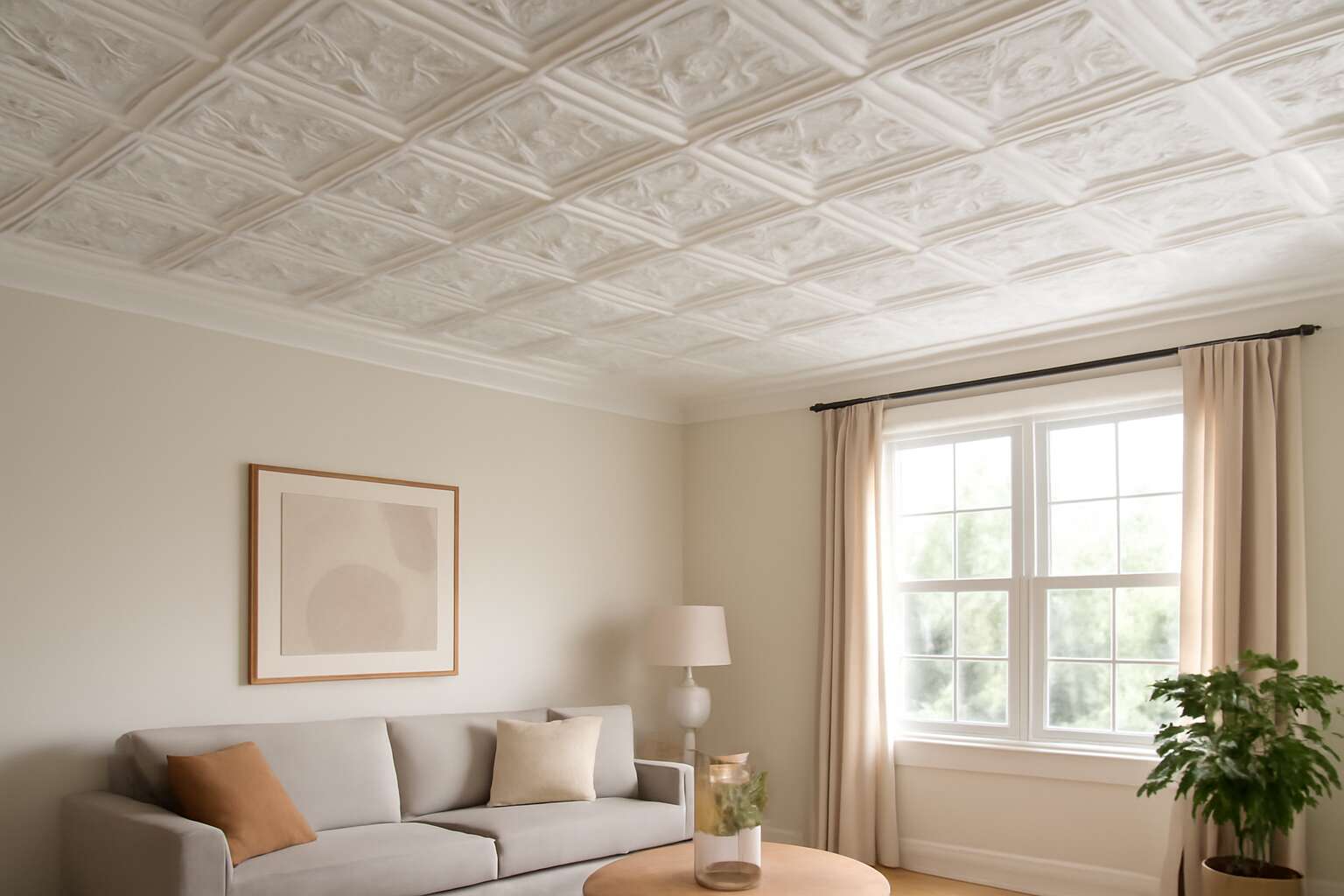
Ceiling drama can rewrite a room’s mood, turning a tired space into something memorable. A smart choice can lift perceived height and light—no drama, just design. Polystyrene ceiling tiles offer a versatile canvas South African homes crave, combining ease of installation with high style.
Design options and aesthetic versatility open through texture, patterns, and surface finishes. From whisper-smooth panels to intricate bas-reliefs, the spectrum adapts any vibe.
- Subtle, smooth panels for a minimal vibe
- Ornate patterns that echo classic plasterwork
- Bold geometric textures for a contemporary feel
Texture and finish choices shape how light dances across the ceiling, like a spell that earns a room its own character. Choose matte calm, satin glow, or a whisper of gloss, then pair patterns like lattice, damask, or sunburst with reliefs that catch the eye.
In South Africa’s varied lighting, the right polystyrene ceiling tiles can soften glare and reflect warmth. They blend with paints and trims, offering enduring charm without heavy installation demands.
Color choices, paints, and coatings
Color choices unlock a ceiling’s personality. A well-picked shade can lift perceived height and soften glare, instantly changing how a room feels. Polystyrene ceiling tiles accept a wide range of paints and coatings, from easy acrylics to durable elastomeric finishes, with minimal prep. In South Africa, thoughtful color pairing with trims and walls creates warmth that lasts through changing light and seasons!
- Soft neutrals that recede and widen spaces
- Dusty pastels for a gentle, contemporary vibe
- Bold accents that draw the eye upward
Choose matte for a calm ceiling, satin for subtle sheen, or a velvet gloss in select spaces to catch daylight. The goal is cohesion, not crowding—let the color do the talking while the tiles perform quietly.
Lighting effects and acoustic considerations
The fifth wall stages daylight as it choreographs a room’s mood. With polystyrene ceiling tiles, patterns catch or soften light—from sculpted grids to feathered reliefs. The design options feel magical: tessellated geometries, gently curved profiles, textures that shimmer as the sun moves across the South African sky. These tiles offer aesthetic versatility without crowding, letting architecture breathe while the ceiling stays poised in quiet elegance. The result is a room that reads balanced and welcoming from every doorway.
Lighting becomes a partner, not a rival, when patterns work with the room. The tiles diffuse daylight and lamplight to carve depth without glare, while backing can soften echoes in open-plan spaces.
- Diffuse glow that softens glare
- Shadow depth for dimension
- Acoustic dampening for comfort
Ceiling height impact on room feel
A ceiling isn’t a backdrop; it’s a mood-setter. Polystyrene ceiling tiles offer design versatility that lets daylight skim or drift into soft shadows as the South African daylight moves. In spaces with modest heights, a slim profile and light-reflective finish visually raises the ceiling without crowding the room. For taller rooms, deeper reliefs and bolder grids can add drama without heaviness. It’s about balance and proportion.
- Low ceilings: slim profiles and light tones create an airy feel
- Mid-height ceilings: gentle reliefs carve depth while staying unobtrusive
- High ceilings: sculptural grids anchor the space and invite eye travel
Design options yield aesthetic versatility that keeps the room calm, readable, and welcoming from every doorway. With polystyrene ceiling tiles, the room reads balanced and inviting, a practical, distinct South African interior language.
Mixing tiles with other ceiling elements
Ceilings are the unsung stage in any room, and polystyrene ceiling tiles choreograph daylight with a wink. The right mix can lift a modest height into a sunlit promenade and, in taller spaces, turn drama into a balanced refrain. It’s elegance without heaviness—an interior cue South Africans recognise instantly.
Design options flourish when you blend tiles with other ceiling elements, creating a layered harmony rather than a flat ceiling shouting for attention.
- Timber battens or plaster coves to add warmth and texture
- A slim metal grid to sharpen lines and introduce contemporary edge
- Integrated lighting channels for a soft, diffuse glow
This approach keeps spaces calm, readable, and welcoming from doorway to doorway, while letting daylight skim across surfaces with ease.
Durability, maintenance, and safety
Moisture resistance and humidity performance
“The ceiling isn’t just overhead; it sets the room’s mood,” a designer warned. With polystyrene ceiling tiles, durability starts at the core and travels through every panel, resisting everyday wear and tear.
In humid South Africa spaces, these tiles show solid moisture resistance, holding shape and color when humidity spikes. They perform well in kitchens, corridors, and living areas, keeping ceilings smooth and trouble-free despite damp air.
Maintenance and safety go hand in hand: a clean, well-kept ceiling helps preserve appearance longer, and responsible installation minimizes risk from accidental impact. I’ve seen how proactive care can extend the life of your ceiling tile investment, reinforcing the sense of quality in any room.
Cleaning, staining, and longevity
In the hush of a sunlit Durban home, the ceiling speaks in quiet strength. polystyrene ceiling tiles carry a steadfast promise of durability, beginning at the core and radiating through each panel as life unfolds above us.
In humid South Africa spaces, these polystyrene ceiling tiles hold shape and color when humidity spikes, shrugging off the wear of daily life in kitchens, hallways, and living areas. Their design stands up to heat and moisture, keeping ceilings smooth and trouble-free even when damp air lingers.
Durability traits you can expect include:
- Core resilience resisting deformation
- Surface stability resisting staining and color fade
- Joint and edge integrity reducing maintenance needs
Maintenance and safety weave together: a preserved ceiling reflects good care, and professional installation minimizes risk from accidental impact. Longevity comes not from rigidity alone but from a balance of material science and thoughtful design.
Fire safety and building code compliance
Humidity in Durban can shave years off a ceiling’s life—up to 30% more wear is common in humid kitchens and hallways. Durability arrives with polystyrene ceiling tiles: a core resilience that resists deformation and a surface that keeps color and texture steady through seasons. These tiles stand up to daily life above us.
Maintenance and safety go hand in hand; a preserved ceiling reflects care, and professional installation minimizes risk from accidental impact. Longevity comes from a balance of material science and thoughtful design, letting ceilings age with dignity in a busy home.
Fire safety and building code compliance frame these products for the South African environment. When selecting, look for tested fire ratings and alignment with local standards to keep spaces safe.
- Fire rating and testing by recognized authorities
- Compliance with local building codes and SA standards
- Moisture performance suited to humid climates
Cost, procurement, and sustainability
Pricing ranges, cost-per-square-foot trends
Across South Africa, installers report that polystyrene ceiling tiles cut install time by up to 30%, a hook that explains their growing popularity. When it comes to cost, pricing per square meter varies with texture, thickness, and finish, commonly ranging from R120 to R350 per m² in SA markets. Procurement leans toward local distributors and manufacturers, with shorter lead times and reliable warranties cited as decisive. On the sustainability front, these tiles offer a lighter carbon footprint—fewer transport emissions and a long service life—while many options are recyclable or reclaimable at end of life. The result is a compelling balance of beauty, economy, and responsible sourcing.
- Raw material volatility and resin costs
- Tile size, texture, and fire-rated finishes
- Bulk orders, supplier terms, and stock availability
Cost-per-square-foot trends in South Africa show incremental declines as production scales up and new blends improve strength without added weight. For designers and builders, this translates into accessible luxury—polystyrene ceiling tiles that elevate interiors while keeping budgets disciplined.
Where to buy and how to compare products
Across SA, installers report polystyrene ceiling tiles cut install time by up to 30%, a hook that explains their growing popularity. Cost per square meter varies with texture, thickness, and finish, but procurement generally leans toward local distributors and manufacturers, delivering shorter lead times and reliable warranties. This blend of beauty and economy is reshaping ceilings in modern spaces.
On the sustainability front, these tiles offer a lighter carbon footprint—fewer transport emissions and a long service life—while many options are recyclable or reclaimable at end of life. For buyers, polystyrene ceiling tiles are more than a budget win; they’re an opportunity to choose responsible sourcing and enduring performance.
- Local distributors with clear warranties
- Stock availability and bulk terms
- End-of-life recycling options
Warranties and installation guarantees
In SA projects, installers report up to 30% faster ceiling finishes with polystyrene ceiling tiles, a speed that shifts budgets and timelines!
Cost varies with texture, thickness, and finish, and when we buy locally it shortens lead times and supports transparent warranties.
- Local distributors with clear warranties
- Stock availability and bulk terms
- End-of-life recycling options
Sustainability remains a net gain—the lighter transport footprint and long service life align with reclaimability goals.
Eco-friendly options, recycling, and disposal
Across South Africa, projects using polystyrene ceiling tiles report up to 30% faster finishes, reshaping budgets and timelines with a whisper of efficiency. Cost remains a dance of texture, thickness, and finish, but buying locally shortens lead times and invites transparent warranties that teams can trust.
Procurement is as much about relationships as price. Local distributors with clear warranties, stock availability, and bulk terms keep sites moving:
- Local distributors with clear warranties
- Stock availability and bulk terms
- End-of-life recycling options
Sustainability remains a net gain—lighter transport footprint, long service life, and reclaimability goals. Eco-friendly options, recycling, and responsible disposal are within reach through regional programs and approved facilities for polystyrene ceiling tiles.

0 Comments