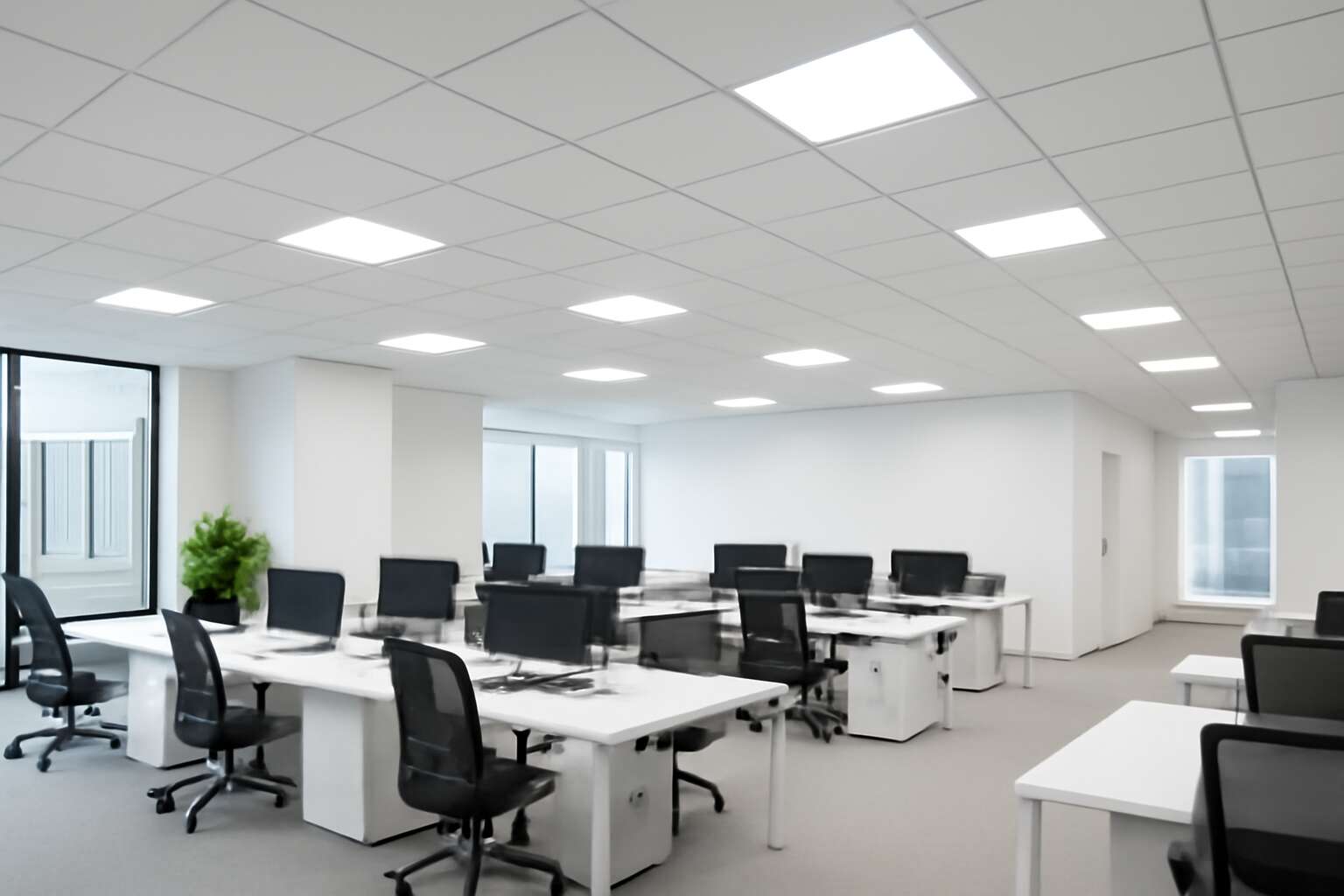
Drop Ceiling Tile Materials and Finishes
Material options
Ceilings set the room’s mood before you even step inside. In South Africa’s bustling offices, acoustics can quietly tip the balance between focus and fatigue. “Acoustics influence productivity,” a facilities manager once told me, and the right tiles prove it every day—almost spellbinding.
Materials and finishes for suspended ceiling tiles vary widely. Mineral fiber and fiberglass deliver sound control and fire safety, while metal and wood options add durability or warmth. In humid zones, PVC-based tiles resist warping and grime.
- Mineral fiber with high sound absorption and a Class A fire rating
- Metal options (aluminum or steel) with washable finishes for corridors
- Wood veneer or PVC composites that balance warmth with moisture resistance
Finish and color choices
Drop ceiling tile finishes set the room’s tone as effectively as a boardroom playlist. In busy South Africa offices, the palette matters: from whisper-quiet neutrals that hide scuffs to warm timber veneers that soften steel-and-glass interiors. For suspended ceiling tiles, finishes range from matte mineral to glossy metal, with textures that resist grime without dulling under humid Durban skies or Cape sun. The right finish blends aesthetics with durability, simplifying maintenance while preserving acoustics.
- Matte mineral fiber in neutral tones
- Satin metal or wood veneer for warmth
- Gloss PVC composites for high-traffic areas
- Soft-coated vinyl for easy cleaning
Color choices can be strategic: light neutrals brighten spaces, while richer accents define zones. In humid South Africa offices, choose UV-stable coatings on suspended ceiling tiles that resist moisture and grime.
Acoustic performance and ratings
Sound is the quiet enabler of productivity—studies suggest good acoustics can boost focus by up to 25%. Drop a set of suspended ceiling tiles into a SA office and you’re sculpting conversations, not just hiding pipes. Adequate acoustic performance keeps speech intelligible, HVAC clatter at bay, and meetings moving without shouting matches—an outcome every boardroom wishes for on humid Durban days and sunny Cape afternoons.
- NRC values around 0.65–0.95 indicate how well the panel absorbs sound in typical office ranges.
- IIC and CAC figures show how impact and airborne noise travel through ceilings—critical in open-plan spaces.
Durability meets design here, with moisture-resistant cores and UV-stable finishes protecting acoustics over years of South African weather and maintenance routines.
Water resistance and durability
Durban humidity meets Cape sunshine, and your ceiling should be the referee—not the noise. Drop suspended ceiling tiles into an SA office, and you’re laying down a weatherproof shield that quietly defies spills, stains, and UV glare. Water resistance and durability aren’t gimmicks here; they’re fundamental, ensuring the ceiling keeps its shape and its look year after year.
- Moisture-resistant cores such as mineral fiber, fiberglass, or polymer-coated boards
- UV-stable finishes that resist yellowing and sun bleaching
- Sealed edges and water-repellent surfaces to deter moisture ingress
Durability means less upkeep, easier maintenance, and fewer interruptions to meetings—exactly what South African workplaces crave from these ceiling systems.
Grid Types and Installation Basics
Grid types and spacing
Quick stat: modern suspended ceilings can cut cooling costs by up to 15% in busy spaces, and the grid that holds the tiles defines both look and access. For suspended ceiling tiles, choosing the right grid type and spacing sets the stage for easy maintenance and clean lines!
There are two main families of grid systems for suspended ceiling tiles: lay-in grids that keep tiles accessible from beneath, and concealed grids that create a smooth, uninterrupted ceiling plane. Common options include:
- Standard lay-in grid
- Concealed cross-tees grid
- Decorative or semi-concealed grids
Most grids are designed around 600×600 mm tiles or 600×1200 mm planks. The spacing, or centre-to-centre distance, guides edge alignment and room proportions. In South Africa, ceilings of 2 metres and higher benefit from proportionate spacing to maintain clean lines and service access for suspended ceiling tiles.
Installation steps and best practices
Dynamic spaces demand precision. A well-planned grid reduces interruptions and keeps lines clean in busy environments. For suspended ceiling tiles, the grid is more than a backdrop—it defines access, airflow, and the overall look.
Key phases to consider:
- Layout planning and reference lines to guide walls, columns and fixtures
- Grid integrity and spacing to ensure consistent edges and tile fit
- Access planning for services, lighting and maintenance through the ceiling envelope
With this approach, professionals deliver reliable performance in South Africa, keeping aesthetics and serviceability in balance.
Access panels and serviceability
In South Africa’s bustling campuses and offices, ceiling access is a hidden profitability driver! A striking stat: 9 out of 10 maintenance tasks hinge on quick access through the ceiling.
Grid integrity forms the backbone of installation basics. When reference lines are precise, suspended ceiling tiles align with clean edges and a practical route for service conduits emerges.
For access and serviceability, consider these panel options:
- Flush-mounted panels that sit flush with the grid
- Hinged doors that swing open without removing tiles
- Removable panels with quick-release latches
- Integrated hatch inserts for discreet inspections
This balanced approach preserves aesthetics while keeping services accessible in South Africa’s dynamic workspaces!
Ceiling height and room dimensions
In South Africa’s bustling campuses and offices, ceiling height is more than headroom—it’s a performance metric. With suspended ceiling tiles shaping light, acoustics, and cabling, the 2.7-meter sweet spot becomes a design mandate rather than a suggestion.
Room geometry matters: the way bays, corridors, and columns align affects how clean edges read and how service conduits thread through the grid. A little math goes a long way for aesthetics and maintenance alike.
- Standard height range: roughly 2.4–3.0 meters for many commercial spaces
- Grid spacing often matches 600×600 mm tiles, influencing tile count and alignment
- Leave ample clearance for HVAC and lighting runs to avoid rework
In the end, careful planning around ceilings translates to fewer surprises and a sharper overall look.
Applications and Design Trends
Commercial office and retail uses
Ceilings do more than hide pipes; they shape how we work. In South Africa’s bustling offices and retail spaces, suspended ceiling tiles can trim energy costs by up to 20% when paired with smart lighting and airflow design.
I’ve watched design teams use them for flexible layouts and brand-ready aesthetics without sacrificing maintenance access. For commercial spaces, the trend leans toward modular grids, brand-aligned visuals, and lighting-friendly finishes that keep spaces airy and legible for customers.
- Flexible space zoning for hot-desking and meeting pods
- Brand-consistent aesthetics through subtle textures and tones
- Efficient service access for MEP and maintenance
- Enhanced lighting distribution via reflective tile surfaces
All of this plays out well in SA, where rapid deployment and local support help keep projects on track. In SA, suspended ceiling tiles offer quick branding options and serviceability.
Residential and DIY projects
Ceiling drama is the new wall art in SA homes, and as one designer quips, the ceiling is where personality goes to shine. Suspended ceiling tiles aren’t just practical—they’re a stealth design move that can redefine a room’s scale and mood.
For residential and DIY projects, suspended ceiling tiles offer flexible zoning, playful textures, and hidden services without dragging you into wall demolition. I’ve seen basements transformed into micro-studios, kitchens brightened with light-diffusing surfaces, and home offices made brand-friendly with easy swaps.
- Hands-on friendly swaps that don’t require a wrecking ball
- Textures and tones that read as warm, contemporary, or bold
- Accessible panels that keep lighting and wiring tidy
In SA living spaces, the trend is modular grids, subdued palettes, and wipe-clean surfaces that stand up to family life—without stealing air or sound. Suspended ceiling tiles let DIYers dream in real time!
Aesthetic patterns and layouts
In SA homes, ceiling drama quietly redefines rooms—upward space becomes a living canvas. Designers report that ceilings treated with style feel more expansive, with up to 40% gains in perceived room size when using suspended ceiling tiles. Turning the ceiling plane into a subtle stage for light, texture, and personality.
Applications and design trends favor pattern play that stays elegant and controllable. Consider these thoughtful directions:
- Micro-perforated grids for softened reflections
- Chevron and herringbone alignments that guide the eye
- Stacked modules creating architectural rhythm
Pattern selections harmonize lighting, sound diffusion, and wipe-clean surfaces, reflecting SA’s family life—practicality folded into art, where the ceiling becomes a quiet muse rather than a distraction.
Integrating lighting and HVAC
Light dances along the ceiling when suspended ceiling tiles become a stage for illumination and air. In South African spaces, thoughtful integration lifts perceived height and reduces glare, while lighting and HVAC work hand in hand to cut energy use. Edge-lit modules and discreet diffusers create a calm glow that makes rooms feel larger, even on overcast days. With suspended ceiling tiles, the ceiling becomes a quiet muse.
- Edge-lit LED modules tucked into grid edges for soft ambient glow
- Integrated air diffusers aligned with tile spacing for uniform comfort
- Smart controls coordinating lighting scenes with HVAC zoning
These strategies suit family life—soft lighting for dinners, subtle airflow on hot days, and wipe-clean surfaces. I watch how people respond to a calm, glow-filled ceiling; the room feels bigger and more intimate.
Maintenance, Lifespan, and Replacement
Cleaning and stain removal
Maintenance for suspended ceiling tiles is where longevity begins. In South Africa’s bustling offices and homes, a simple discipline—dust regularly, keep moisture at bay, and monitor the grid—keeps systems performing and looking sharp. The more attention given, the longer these tiles endure, weathering heat, traffic, and the occasional spill with quiet resolve.
From a lifespan perspective, many tile options survive 15 to 25 years when cared for, with replacements kept targeted to compromised panels to minimize disruption. Cleaning and stain removal should be gentle—soft cloth, mild detergent, and water; avoid abrasive solvents that could dull finishes. If stains resist, test a hidden corner first and blot rather than scrub. When deterioration outpaces repair, matching replacements helps maintain acoustics and appearance without a costly retrofit of suspended ceiling tiles.
Lifespan expectations and warranties
Maintenance keeps suspended ceiling tiles performing at their best. Regular dusting, moisture control, and a quick grid check prevent sagging and downtime. Use a soft cloth with a mild detergent; avoid abrasive cleaners that dull finishes. If a stain appears, blot from the edge toward the center rather than scrubbing.
With proper care, suspended ceiling tiles commonly reach 15 to 25 years, enduring heat and foot traffic with quiet resolve. Replacements stay targeted to compromised panels to minimise disruption and preserve the room’s look and acoustics.
Warranty terms vary by material and manufacturer, but typical coverage runs 5 to 15 years. When panel replacement is needed, matching tiles preserves acoustics and alignment!
- Warranty terms and duration
- Targeted replacement strategy
- Acoustic and visual parity
Replacement strategies and tile matching
In South Africa’s bustling offices, a sagging tile costs roughly five minutes of productivity per employee each day, a quiet drain you can fix. Maintenance for suspended ceiling tiles should be proactive: regular checks of grid integrity and moisture pathways prevent downtime and keep spaces feeling refined rather than improvised.
With attentive care, suspended ceiling tiles commonly endure 15 to 25 years, shrugging off heat and foot traffic. Replacements stay targeted to compromised panels to minimise disruption and preserve the room’s look and acoustics.
When replacements are needed, a targeted strategy keeps the project discreet and acoustically faithful.
- Targeted panel replacement to protect acoustics
- Exact tile matching for colour, finish and perforation
- Documented warranty terms to guide future replacements
Sustainability and recycling options
In South Africa’s bustling offices, a sagging tile quietly erodes productivity. Maintenance for suspended ceiling tiles is a disciplined habit: regular checks of grid integrity and moisture paths avert downtime and keep spaces feeling refined rather than improvised.
With attentive care, suspended ceiling tiles commonly endure 15 to 25 years, shrugging off heat and foot traffic. Replacements stay targeted to compromised panels, preserving the room’s look, acoustics, and the quiet dignity of a well-tended interior.
Sustainability finds a natural partner in thoughtful replacement and recycling options. When a panel reaches the end of its life, salvage and recycling help close the loop, while local programmes and responsible disposal honour the journey of these quiet actors in the room—suspended ceiling tiles.
- Take-back programs and local recyclers
- Salvage for reuse in new layouts
- Repurposing into acoustic panels or decorative features

0 Comments