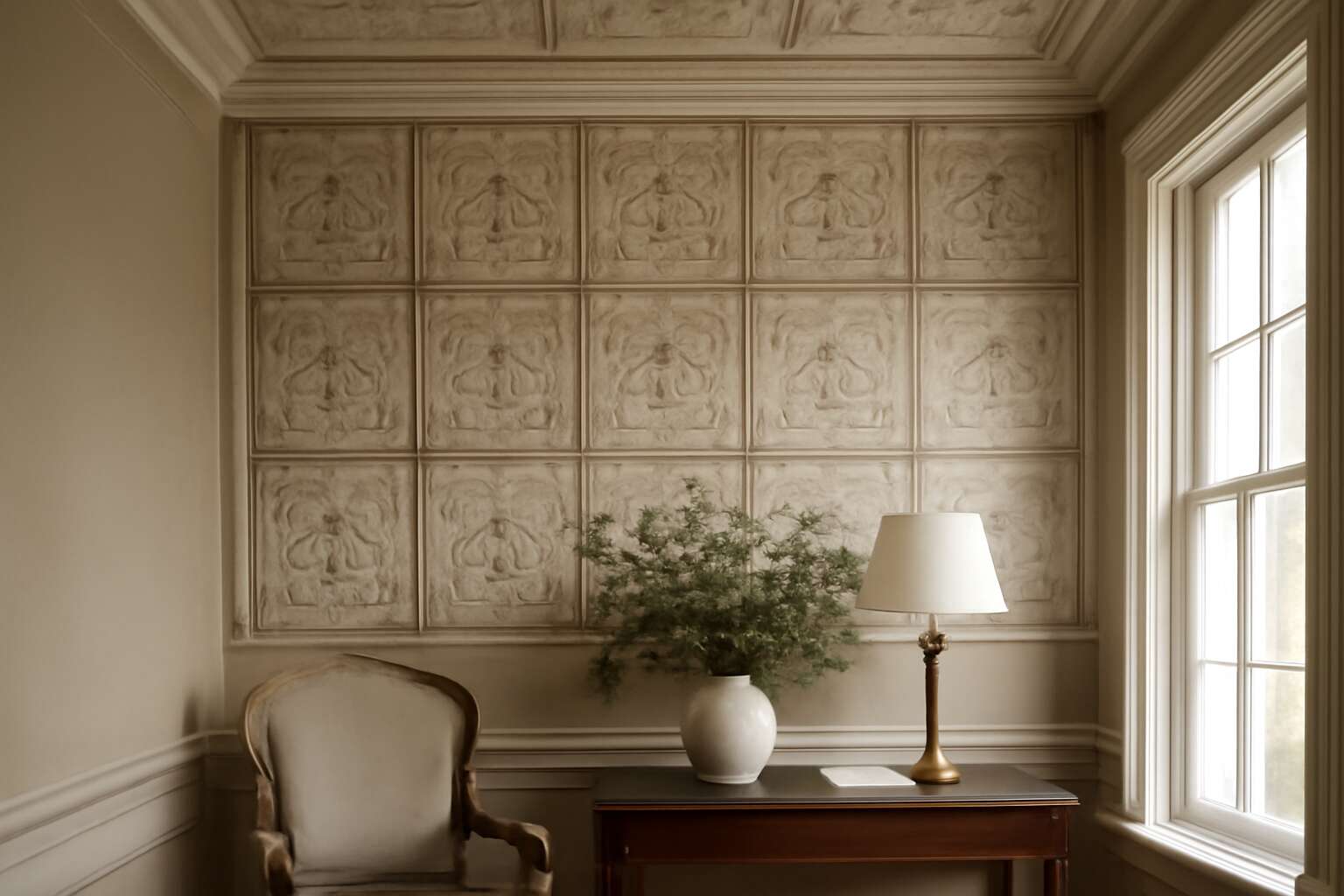
Understanding Tin Ceiling Tiles
What Are Tin Ceiling Tiles?
There’s an undeniable allure to transforming a space with elements that speak of history and craftsmanship. Tin ceiling tiles, once the hallmark of opulence in early 20th-century architecture, remain a testament to timeless elegance. These decorative panels, crafted from pressed tin, carry a certain mystique—combining durability with intricate design.
Understanding tin ceiling tiles goes beyond their visual appeal; it’s about appreciating their role in shaping ambiance. Originally popular for their fire-resistant qualities and affordability, they quickly became a symbol of sophistication. Today, they are experiencing a renaissance, especially in South Africa, where restoring heritage spaces emphasizes authenticity and character.
- Enhanced aesthetic appeal with a variety of patterns and finishes
- Longevity and ease of maintenance compared to traditional materials
- Eco-friendly options that align with sustainable building practices
In essence, tin ceiling tiles are more than just decorative elements—they are a bridge between history, design, and human longing for beauty in the everyday. Their enduring presence in architecture reminds us of a time when craftsmanship was a reflection of moral integrity and artistic aspiration.
History and Evolution of Tin Ceiling Tiles
The story of tin ceiling tiles is a fascinating journey through time, reflecting both innovation and tradition. When they first appeared in the late 19th century, these decorative panels revolutionized interior design by offering an affordable way to emulate more costly materials like carved wood or tin-plated brass. Their popularity soared across North America and Europe, and now, in South Africa, they continue to evoke a sense of nostalgic elegance. The craftsmanship involved in their production has evolved from simple pressed sheets to intricate patterns showcasing artistic mastery, yet their core purpose remains unchanged—bringing beauty and resilience to any space.
Originally, tin ceiling tiles served more than just aesthetic purposes. They were valued for their fire-resistant qualities and ease of maintenance, making them a practical choice for bustling city buildings and cozy homes alike. Over the decades, manufacturing techniques improved, allowing for a broader range of designs and finishes, which helped these tiles adapt to changing architectural styles. Today, restoring vintage tin ceiling tiles has become a passionate pursuit, emphasizing authenticity and heritage preservation. Their enduring appeal lies in their ability to seamlessly blend historical charm with modern sustainability, ensuring their place in contemporary South African design.
Types of Tin Ceiling Tiles
Understanding the myriad types of tin ceiling tiles reveals a world of endless artistic possibilities for transforming any space into a sanctuary of timeless elegance. Each variant boasts unique characteristics, from ornate Victorian patterns to sleek Art Deco motifs, catering to diverse aesthetic visions. The craftsmanship behind these tiles ranges from hand-pressed designs to contemporary laser-cut precision, ensuring both vintage charm and modern durability.
Among the most sought-after are the embossed tin ceiling tiles, celebrated for their intricate relief work that captures light and shadow, creating a mesmerizing visual effect. Meanwhile, the painted tin ceiling tiles offer a splash of colour, allowing for bold statements or subtle accents. For those seeking a more authentic vintage experience, reclaimed tin ceiling tiles preserve the stories of bygone eras, integrating history directly into present-day spaces.
To help navigate this fascinating terrain, consider these common types:
- Embossed or pressed tin tiles with detailed patterns and textures
- Painted or finished tin tiles in vibrant or muted hues
- Reclaimed or vintage tin ceiling tiles that carry historical significance
- Custom-designed tin tiles tailored for bespoke architectural projects
Each type of tin ceiling tile embodies a different facet of artistic mastery, allowing homeowners and designers in South Africa to craft interiors that echo both tradition and innovation. Whether aiming for a nostalgic charm or a contemporary allure, understanding the diverse options available ensures a perfect fit for every vision.
Benefits of Installing Tin Ceiling Tiles
Aesthetic Appeal and Style
When it comes to transforming a space into a visual masterpiece, few elements can rival the charm and sophistication of tin ceiling tiles. Their intricate patterns and reflective surfaces create an ambiance that is both timeless and inviting, elevating any room into a showcase of craftsmanship and style. In South Africa, where interior aesthetics blend heritage with modernity, tin ceiling tiles offer a unique opportunity to add character and elegance effortlessly.
The aesthetic appeal of tin ceiling tiles lies in their versatility; they can complement a range of design themes from vintage to contemporary. Their reflective qualities bounce light around the room, enhancing brightness and creating a warm, welcoming atmosphere. Whether used to accentuate a historic home or to add a touch of luxe to a commercial space, these tiles are an investment in visual impact. For those seeking a distinctive style, options such as ornate patterns or simple, sleek designs can make a striking statement that endures through changing trends.
Incorporating tin ceiling tiles offers more than just beauty. Their durable, lightweight material makes installation straightforward, while their ability to hide imperfections in existing ceilings ensures a polished look without extensive renovation. For a seamless blend of form and function, many opt for these tiles as a compelling way to infuse personality into their interiors. Ultimately, tin ceiling tiles are not just decorative elements—they are a bold declaration of style and sophistication that stands the test of time.
Durability and Longevity
In a landscape where design trends shift like desert sands, the enduring resilience of tin ceiling tiles offers a compelling counterpoint—an investment in durability that promises to withstand the test of time. Unlike many decorative elements that fade or deteriorate, these tiles are crafted from robust materials designed to endure, both physically and aesthetically. Their intrinsic strength ensures that, whether in a bustling commercial space or a serene heritage home, they maintain their charm and function over decades.
One of the most significant benefits of installing tin ceiling tiles is their exceptional longevity. With proper maintenance, these tiles can remain pristine for generations, resisting common issues like cracking, warping, or corrosion. Their lightweight composition makes handling and installation easier, yet it does not compromise their resilience. This combination of strength and finesse makes tin ceiling tiles an ideal choice for South African interiors where climate and environmental factors demand durable solutions.
Moreover, the inherent versatility of tin ceiling tiles means they can effectively conceal imperfections in existing ceilings, extending the lifespan of the underlying structure. This seamless blend of form and function ensures that your investment continues to elevate your space without requiring frequent replacements or repairs. For those who seek a timeless aesthetic fused with practical durability, tin ceiling tiles deliver an unmatched return on investment.
- Resistant to wear and tear, even in high-traffic areas
- Corrosion-resistant finishes suitable for humid or coastal environments
- Low maintenance requirements that preserve their reflective beauty over time
In essence, the durability and longevity of tin ceiling tiles do more than just enhance visual appeal; they forge a legacy of resilience that echoes through the years, making them a prudent choice for discerning property owners across South Africa’s diverse interior landscapes.
Ease of Installation
One of the most compelling reasons to choose tin ceiling tiles for your space is how effortlessly they can be installed. Unlike complex renovation projects, installing tin ceiling tiles requires no specialized skills, making it a popular choice for property owners looking for a quick yet impactful upgrade. With just a few basic tools and a little patience, you can transform a dull ceiling into a stunning feature that captures attention and admiration.
The lightweight nature of tin ceiling tiles simplifies handling and placement, reducing the time and effort needed during installation. This ease of installation not only saves money but also minimizes disruption, especially in busy homes or commercial premises. Whether you’re refurbishing a heritage building or adding a touch of elegance to a new development, tin ceiling tiles fit seamlessly into various project scopes.
In fact, many property owners in South Africa appreciate how these tiles can be installed over existing ceilings, acting as a stylish veneer that conceals imperfections while providing a durable, aesthetic finish. Their adaptability ensures that even those with minimal DIY experience can achieve professional-looking results, making tin ceiling tiles a practical solution with a timeless appeal. This simplicity combined with remarkable visual impact underscores why they remain a top choice for discerning interior design enthusiasts.
Reflective Properties for Lighting
One of the understated marvels of tin ceiling tiles is their remarkable reflective property, which can significantly enhance the lighting within a space. Instead of relying solely on electrical fixtures, these tiles act like a sophisticated mirror, bouncing light across the room with a subtle elegance. This natural amplification creates a brighter, more welcoming atmosphere—perfect for both bustling commercial spaces and cozy homes alike.
In fact, the reflective qualities of tin ceiling tiles can reduce the need for additional lighting, leading to energy savings and a softer ambiance. Their glossy surface refracts light, casting a gentle shimmer that elevates the overall aesthetic without overwhelming the senses. For interiors that aim to marry style with function, nothing quite compares to the luminous charm of tin ceiling tiles.
To maximize their luminous potential, consider pairing tin ceiling tiles with strategically placed light sources. You might find yourself marveling at how these tiles transform a simple ceiling into a radiant centerpiece. Ultimately, their ability to enhance lighting while adding a touch of vintage sophistication makes tin ceiling tiles a discerning choice for those who value both form and function.
Versatility in Design and Decoration
When it comes to interior design, versatility isn’t just a buzzword; it’s the secret sauce that makes any space stand out. Tin ceiling tiles are a prime example—these decorative panels aren’t just for adding a vintage charm; they’re a blank canvas for creative expression. Whether you’re aiming for a classic, industrial, or eclectic vibe, tin ceiling tiles can adapt seamlessly to your vision.
One of the biggest perks of choosing tin ceiling tiles is their remarkable ability to complement various design themes. They can be painted to match your color scheme or left in their natural metallic glory for a more raw, textured look. Here’s a quick rundown of their versatility in design and decoration:
- Pair with modern minimalist furniture for a striking contrast
- Combine with ornate moldings for a regal, vintage feel
- Use in kitchens and bathrooms to add a splash of retro elegance
With such flexibility, tin ceiling tiles are not just a decorative feature—they’re a transformative element that can elevate any interior from bland to breathtaking. Their adaptability makes them an irresistible choice for homeowners and designers alike, especially in South Africa’s diverse aesthetic landscape. After all, why settle for ordinary when your ceiling can be a statement piece?
Choosing the Right Tin Ceiling Tiles
Material Options: Traditional Tin vs. Aluminum
Choosing the right tin ceiling tiles material is akin to selecting the perfect wine—subtle nuances can make a world of difference. Traditional tin remains the classic choice, exuding vintage charm and unmatched authenticity. However, for those seeking lighter, more corrosion-resistant options, aluminum tin ceiling tiles are a game-changer.
While traditional tin boasts a rich history and a nostalgic appeal, aluminum offers durability and ease of maintenance without sacrificing style. It’s a little like comparing a vintage car to a sleek modern electric—each has its charm, but the choice hinges on your specific needs.
For commercial spaces or high-humidity environments, aluminum tin ceiling tiles tend to outperform traditional tin in longevity. But if you’re after that exquisite, old-world aesthetic, then traditional tin might just steal your heart. Either way, understanding the material options ensures your ceiling becomes a statement piece rather than just a functional surface.
Design and Pattern Selection
Choosing the right tin ceiling tiles design and pattern isn’t just about aesthetics; it’s about creating a space that tells a story. With countless options available, selecting a pattern that complements your environment and personal style can seem overwhelming. While some prefer intricate Victorian motifs, others lean toward more modern geometric forms to add a contemporary twist.
When browsing through tin ceiling tiles, consider how the pattern interacts with the room’s lighting and architecture. A bold, ornate design can make a statement, but a subtle, understated pattern often lends versatility and timeless appeal. To help narrow your choices, think about the vibe you want to create—classic elegance or modern minimalism.
For those unsure where to start, here are some popular tin ceiling tiles patterns to explore:
- Ornate floral motifs for vintage charm
- Geometric shapes for a sleek, modern look
- Repeating patterns for seamless installation
Remember, the right pattern can elevate your entire space, transforming a simple ceiling into a striking focal point. It’s all about balancing style, function, and personal taste when selecting your tin ceiling tiles design and pattern.
Color and Finish Choices
Color and finish choices for tin ceiling tiles can dramatically alter the ambiance of a space—sometimes in ways that are subtle, other times downright transformative. When selecting the right hue, consider how it interacts with natural light and the overall style of your room. A glossy finish on your tin ceiling tiles can reflect light beautifully, adding a sense of spaciousness, while matte finishes lend a muted sophistication that whispers understated elegance.
In South Africa, where vibrant colors and bold contrasts define many interiors, choosing the right finish can be both an art and a science. For a classic look, metallic shades like antique gold or pewter can evoke vintage charm, whereas powder-coated black or white offers contemporary versatility. To make a statement, opt for contrasting colors that highlight intricate patterns, or keep it neutral for timeless appeal. Ultimately, the right combination of color and finish breathes life into your tin ceiling tiles, turning an ordinary ceiling into a compelling visual centerpiece.
Size and Thickness
Choosing the right size and thickness of tin ceiling tiles can transform a space from ordinary to extraordinary—like a carefully curated piece of art resting above your head. The dimensions of these tiles influence not only the visual rhythm of your ceiling but also how well they harmonize with the room’s proportions. Larger tiles create a grand, open feel, perfect for lofty South African homes or commercial spaces, while smaller tiles lend an intricate, detailed charm to more intimate interiors.
Thickness is equally vital. Thicker tin ceiling tiles tend to be more durable, standing resilient against the test of time and everyday wear, especially in bustling environments. On the other hand, thinner tiles are easier to install and can lend a delicate, vintage elegance to your ceiling. When selecting, consider your aesthetic ambitions and the structural demands of your space—sometimes, a subtle variation in size or thickness can make all the difference in crafting a truly captivating ceiling design.
- Assess the room’s dimensions to determine suitable tile size, ensuring harmony and proportion.
- Choose thicker tiles if durability and longevity are priorities, especially in high-traffic areas.
- Opt for smaller or thinner tiles if you desire a more intricate, vintage look or easier installation.
Ultimately, the perfect combination of size and thickness in your tin ceiling tiles elevates your interior’s style, making the ceiling an enchanting focal point rather than just a structural necessity.
Compatibility with Interior Styles
Choosing tin ceiling tiles that complement your interior style is crucial for creating a cohesive and captivating space. Whether your home echoes the charm of vintage South African decor or embraces a modern aesthetic, the right tin ceiling tiles can enhance the entire room. The key is selecting patterns, finishes, and colors that resonate with your overall design theme.
For traditional interiors, antique or embossed tin ceiling tiles in muted tones evoke timeless elegance. Conversely, sleek, minimalist designs in bright or matte finishes suit contemporary spaces. Here are some factors to consider:
- Pattern complexity—intricate designs suit vintage styles.
- Color palette—match or contrast with wall colors.
- Finish—glossy for reflection, matte for understated elegance.
Matching the style of your tin ceiling tiles to your interior creates harmony and elevates your decor. A well-chosen tile transforms your ceiling from mere structure to a statement feature that tells a story. When selecting tin ceiling tiles, keep your room’s personality at the forefront and let the tiles become a natural extension of your space’s character.
Installation Tips and Best Practices
Preparation and Measuring
Installing tin ceiling tiles is an art that combines precision with an eye for detail. A seamless installation not only elevates the aesthetic appeal but also ensures the longevity of your design. Proper preparation begins with thorough surface assessment—any imperfections can compromise the tiles’ fit and finish. Measure carefully, accounting for room dimensions and ceiling height, to avoid surprises during installation. Remember, accuracy here is key to maintaining the symmetry and visual harmony of your space.
To streamline the process, consider creating a layout plan before fixing the tiles. This step helps in identifying the ideal starting point, often a center or a focal wall. When it’s time to adhere the tin ceiling tiles, use high-quality adhesive suitable for the material and your ceiling’s surface. For precise placement, a chalk line can serve as a guiding reference, ensuring that each tile aligns perfectly with the next.
For a flawless finish, it’s essential to handle the tiles with care, avoiding bending or scratching. Sometimes, a few strategic cuts are necessary—using a fine-tooth saw or a tin snip—to fit around fixtures or edges. The key to achieving a professional look lies in patience and attention to detail, transforming a simple ceiling into a statement of style and craftsmanship. Proper preparation and measuring are the foundation of a beautiful, durable installation of tin ceiling tiles that will stand the test of time in any South African home or commercial space.
Tools and Materials Needed
Installing tin ceiling tiles is both an art and a craft, demanding a careful touch and a keen eye for detail. To achieve that flawless, mirror-like finish, having the right tools and materials at hand is essential. A sturdy ladder, a chalk line, tin snips, and a high-quality adhesive form the core of your arsenal. These tools ensure precise placement and a seamless look that elevates any space—be it a cozy home or a bustling commercial venue in South Africa.
When it comes to tools, patience truly is a virtue. Using a fine-tooth saw or tin snips allows you to make graceful, clean cuts around fixtures or edges, preserving the integrity of your tin ceiling tiles. For adhesion, choose an adhesive specifically designed for tin tiles—this guarantees longevity and prevents warping over time. Remember to handle each tile with care, avoiding unnecessary bending or scratching, as it’s the subtle details that distinguish a professional installation from an amateur one.
For best results, consider an ordered approach: start by preparing your workspace, then follow a logical sequence that minimizes errors. An effective method involves creating a layout plan—marking your starting point and working outward—so that your pattern remains harmonious and symmetrical. The careful selection of tools and materials, paired with strategic planning, transforms the installation of tin ceiling tiles from a mundane task into a symphony of craftsmanship and artistry. With patience and precision, your ceiling will become a stunning statement of style and durability in any South African setting.
Step-by-Step Installation Process
Installing tin ceiling tiles transforms a space into a captivating showcase of craftsmanship and style. The key to a flawless finish lies in the meticulous step-by-step process that guarantees both durability and aesthetic appeal. Begin with a clean, level surface—any imperfections can ripple through your design, diminishing that pristine, mirror-like gleam.
Once your workspace is prepared, follow these best practices for installation: start by measuring and marking your ceiling grid carefully, ensuring symmetry and harmony across the entire surface. Use a chalk line to create a straight reference point, guiding your layout with precision. When handling tin ceiling tiles, take care to avoid bending or scratching them—these subtle details elevate the professionalism of your project.
For the actual installation, adhere to a logical sequence—place tiles from the center outward or from a focal point—so your pattern remains consistent and visually balanced.
- Apply a high-quality, tin tile-specific adhesive evenly across the back of each tile.
- Press firmly and hold until the adhesive sets, ensuring seamless contact.
- Use a level to double-check each tile’s position, correcting as needed before the adhesive cures.
This methodical approach minimizes errors, making your ceiling not just beautiful but also enduring.
Patience is an invaluable virtue during this process. Taking your time to align each tile perfectly, and adjusting as necessary, results in a stunning visual harmony that elevates any interior—be it a cozy South African home or a bustling commercial space. With careful planning and precise execution, your tin ceiling tiles will become a captivating centerpiece, showcasing craftsmanship and timeless elegance.
Common Challenges and Solutions
Even the most meticulous artisans encounter challenges when installing tin ceiling tiles, yet understanding common pitfalls can transform obstacles into opportunities for mastery. A frequent issue is uneven adhesion, often caused by surface imperfections or inadequate preparation. Ensuring the ceiling is impeccably clean and level before commencement can mitigate these problems. When tiles don’t align perfectly, it’s tempting to force adjustments; however, patience and incremental corrections preserve the integrity of the pattern and the longevity of the installation.
For seamless results, some installers advocate a strategic approach—beginning from the center or a focal point and working outward, which helps maintain symmetry. When facing stubborn gaps or uneven tiles, gentle tapping with a rubber mallet or minor shimming can be invaluable. If adhesive application proves tricky, consider using a notched trowel to distribute the adhesive evenly across the back of each tin ceiling tile, preventing warping and ensuring a flush fit.
In terms of solutions, sealing small imperfections in the ceiling surface before installation can prevent future cracking or sagging. Employing high-quality, tin tile-specific adhesive enhances bond strength, especially in high-humidity environments common in South Africa. Remember, patience and precision are your allies—rushing through the process risks undermining the very elegance and durability that make tin ceiling tiles such an enduring choice in interior design.
- Carefully inspect the ceiling surface for imperfections and rectify them before starting.
- Use a level and chalk line to create a precise layout, ensuring balanced placement.
- Apply adhesive evenly with a notched trowel to prevent warping and misalignment.
- Press each tile firmly into place, holding until the adhesive begins to set.
- Double-check each tile’s alignment periodically, making adjustments as needed for perfection.
Maintenance and Care for Longevity
Achieving a flawless installation of tin ceiling tiles requires more than just skill; it demands an understanding of best practices that preserve their timeless elegance. Proper maintenance and care are essential for ensuring their longevity, especially in South Africa’s diverse climate. Regular dusting with a soft cloth or gentle vacuuming keeps the reflective surface gleaming, while occasional cleaning with a mild, non-abrasive solution prevents tarnishing. Protecting tin ceiling tiles from excessive moisture is crucial, as humidity can cause warping or corrosion over time.
To keep your ceiling tiles pristine, consider implementing a routine inspection—look for signs of cracking or looseness. If you notice any issues, addressing them promptly with appropriate touch-up paints or re-adhesion can extend the life of your installation. For optimal longevity, some installers recommend a light coating of clear, protective sealant to guard against environmental wear and tear. Remember, a well-maintained ceiling not only sustains its aesthetic appeal but also enhances the overall ambiance of your space.
- Regularly dust and clean the surface with a soft cloth or vacuum.
- Check for moisture-related damage, especially in high-humidity areas.
- Reapply sealant periodically to preserve the finish and prevent corrosion.
- Address any cracks or loose tiles immediately to avoid further deterioration.
In South Africa’s vibrant interiors, the durability of tin ceiling tiles truly shines through when combined with proper maintenance. Their reflective properties can be compromised by neglect, but with diligent care, these tiles maintain their luster for decades. When it comes to cleaning, always opt for gentle products that won’t strip the protective coating—harsh chemicals are an enemy of their enduring charm. Ultimately, a little proactive effort ensures your tin ceiling tiles remain a stunning centerpiece, standing as a testament to craftsmanship and timeless style.
Cost and Budget Considerations
Pricing Factors for Tin Ceiling Tiles
When considering tin ceiling tiles for your space, budget considerations are often the elephant in the room. It’s tempting to fall head over heels for the intricate patterns and shimmering finishes, but your wallet might beg to differ. The cost of tin ceiling tiles can vary significantly depending on material quality, design complexity, and finish options. On average, you might pay between R150 to R600 per square meter, but remember—price tags can fluctuate based on supplier and customization.
Pricing factors that influence the final bill include the choice between traditional tin and aluminum, as well as the size and thickness of the tiles. For a more precise estimate, it’s wise to consider the overall scope of your project, including potential installation costs. Here’s a quick rundown of what impacts your budget:
- Material type: Traditional tin tends to be pricier than aluminum due to its vintage appeal and craftsmanship.
- Design intricacy: Ornate patterns with detailed embossing usually come at a premium.
- Finish and color: Specialty finishes or custom paint jobs add to the expense.
While the initial investment might seem hefty, keep in mind that tin ceiling tiles are celebrated for their durability and timeless aesthetic—making them a savvy long-term choice for enhancing your interior style without frequent replacements.
DIY vs. Professional Installation Costs
Cost and budget considerations for tin ceiling tiles can be a game-changer in your renovation journey. While the allure of intricate patterns and shimmering finishes is undeniable, it’s crucial to weigh the financial implications. DIY installation might seem tempting to save money, but it can lead to unforeseen expenses if mistakes occur. Conversely, professional installation guarantees precision but often adds a significant line item to your budget.
To navigate these waters, consider the scope of your project and your comfort level with DIY tasks. If you opt to handle it yourself, ensure you have the right tools and patience. For larger or more complex designs, hiring a professional might be more cost-effective in the long run. Here’s a quick look at what influences the overall cost of tin ceiling tiles:
- Labor costs—DIY versus professional installation
- Additional materials—adhesives, sealants, or backing supports
- Potential need for specialized tools or equipment
Remember, while DIY installation can reduce upfront costs, mistakes may lead to additional expenses down the line. On the other hand, professional installation ensures a flawless finish that preserves the aesthetic integrity of your tin ceiling tiles. Balancing these factors is essential to staying within your budget while achieving the timeless look you desire.
Budget-Friendly Alternatives
When envisioning the perfect ceiling transformation, budget considerations often take center stage. Tin ceiling tiles offer a timeless elegance, but the costs can vary widely depending on your approach. For those seeking a more wallet-friendly option, exploring budget-friendly alternatives might be the key to achieving that vintage charm without breaking the bank. Reclaimed tin ceiling tiles or opting for aluminum variants can significantly cut expenses while still capturing the classic aesthetic.
- Reclaimed or vintage tin ceiling tiles
- Aluminum alternatives for lighter, cost-effective options
These choices not only reduce material costs but also add character and uniqueness to your space.
Additionally, carefully weighing the scope of your project can reveal hidden savings opportunities. Consider whether a full ceiling overhaul is necessary or if partial installations could deliver the visual impact you desire. With strategic planning, you can find the perfect balance between style and savings, ensuring your dream tin ceiling tiles become a reality without stretching your budget too far.
Long-Term Investment Benefits
Investing in tin ceiling tiles can be a smart choice for those looking to add timeless charm to their space. While the initial cost may seem significant, considering the long-term benefits reveals true value. Tin ceiling tiles are renowned for their durability and ability to elevate interior aesthetics, which can increase property value over time. Furthermore, their reflective properties help improve lighting efficiency, reducing energy costs in the long run.
Strategic budgeting is essential. For example, opting for reclaimed tin ceiling tiles not only decreases material expenses but also introduces a unique vintage character that mass-produced tiles cannot match. Additionally, selecting aluminum variants can lighten the load on your budget without sacrificing style. When planning your project, consider whether a partial installation could achieve the desired visual impact, as this approach often results in significant savings. In the end, a carefully calculated investment in tin ceiling tiles offers enduring beauty and economic sense—making it a wise choice for savvy homeowners and designers alike.
Where to Buy Tin Ceiling Tiles
Online Retailers and Marketplaces
Finding the perfect source for tin ceiling tiles can feel like navigating a labyrinth of options, but online retail platforms have made it easier than ever to discover quality products right at your fingertips. With a surge in popularity, many dedicated online retailers now offer a vast selection of tin ceiling tiles, catering to both traditional and contemporary tastes. These platforms often provide detailed product descriptions, high-resolution images, and customer reviews, making it easier to assess quality before making a purchase.
Marketplaces such as Amazon, eBay, and specialized home renovation stores are excellent starting points for browsing through diverse options. For those seeking more tailored solutions, numerous niche websites focus solely on tin ceiling tiles, offering unique patterns, finishes, and sizes. These retailers often provide valuable insights into the material options—whether classic tin or lightweight aluminum—ensuring that your choice aligns with your aesthetic vision and durability needs.
To streamline your search, consider exploring the following popular online sources for tin ceiling tiles:
- Major online marketplaces like Amazon and eBay
- Specialized home improvement and renovation websites
- Craftsman and artisan platforms offering handcrafted options
Shopping for tin ceiling tiles online not only broadens your access to premium selections but also enables you to compare prices and styles effortlessly. Whether renovating a vintage space or creating a modern statement, these online retailers are a treasure trove for quality tin ceiling tiles that elevate any interior with timeless charm and impeccable craftsmanship.
Local Showrooms and Distributors
For those who seek the tactile allure of tin ceiling tiles beyond the glow of a screen, local showrooms and distributors beckon with whispering promises of craftsmanship and authenticity. These havens of heritage often serve as the sanctuaries for architects and homeowners alike, eager to breathe life into vintage spaces or craft modern marvels with a touch of bygone elegance.
Walking into a showroom, you are greeted by the shimmering allure of diverse patterns, finishes, and textures—each a testament to the timeless charm of tin ceiling tiles. Here, you can examine the weight, quality, and intricate details firsthand, ensuring your choice aligns with your aesthetic and structural needs.
Many distributors also offer custom options, allowing you to select from an array of design and finish choices that perfectly complement your interior style. To navigate this labyrinth of options more effectively, consider consulting with local suppliers who often provide expert guidance, installation tips, and even restoration services. Whether you’re renovating a heritage building or adding a touch of Victorian elegance, these local sources are invaluable repositories of artistry and tradition.
Custom and Specialty Providers
For those seeking the finest craftsmanship in tin ceiling tiles, custom and specialty providers stand as beacons of artistry and innovation. These sources cater to discerning clients who desire a bespoke touch, blending timeless elegance with modern flair. Whether you’re envisioning intricate Victorian patterns or sleek contemporary designs, specialty providers can craft tin ceiling tiles that perfectly align with your vision.
Many specialized suppliers offer personalized options, allowing you to choose from an array of finishes, patterns, and sizes. This flexibility ensures your tin ceiling tiles become a seamless part of your interior aesthetic. Here’s a quick glance at how to find the right custom provider:
- Research reputable manufacturers known for high-quality craftsmanship.
- Explore portfolios showcasing bespoke tin ceiling tiles tailored to various styles.
- Engage with providers offering consultation services to refine your design choices.
In South Africa, numerous local artisans and international specialty providers deliver exquisite tin ceiling tiles that elevate any space. These custom solutions often come with expert guidance on installation, maintenance, and restoration—making them invaluable for heritage renovations or modern interiors seeking a vintage touch. When selecting a supplier, prioritize those with a proven track record of quality, durability, and innovative design, ensuring your investment endures the test of time and style.
Tips for Selecting a Reputable Supplier
Finding the perfect source for tin ceiling tiles requires more than a casual glance—it’s a journey into craftsmanship, reputation, and reliability. With the rise of online retailers and local showrooms across South Africa, discerning buyers have a wealth of options. The key is to identify a reputable supplier that combines quality craftsmanship with excellent customer service. A trusted provider will often showcase a diverse portfolio of tin ceiling tiles, highlighting bespoke designs and custom finishes that align with your interior vision.
When selecting a supplier, consider their experience, reviews, and commitment to durability. Verifying their expertise in both modern and heritage projects ensures they can meet your specific needs. To streamline your search, here are some tips:
- Research suppliers with positive reviews and a solid reputation in the industry.
- Review their portfolio for a variety of tin ceiling tiles styles, finishes, and sizes.
- Engage with providers offering consultation services, allowing you to refine your design choices.
Whether you’re investing in a vintage-inspired space or a sleek contemporary interior, choosing the right supplier guarantees your tin ceiling tiles will elevate your environment for years to come, blending timeless elegance with enduring quality. In South Africa, the availability of both local artisans and international specialists means you can find unique, handcrafted options or innovative modern designs—each promising to add character and charm to your space.
Real-Life Applications and Inspirations
Residential Interior Design Ideas
Throughout South Africa’s diverse interior design landscape, tin ceiling tiles have emerged as a captivating element that bridges historical charm with contemporary elegance. Many homeowners and designers draw inspiration from the timeless appeal of these decorative panels, transforming ordinary spaces into extraordinary showcases of artistry. Whether used in a classic Victorian lounge or a modern loft, tin ceiling tiles bring a unique texture and visual interest that elevates any room.
In real-life applications, these tiles often serve as statement features in kitchens, bathrooms, or entryways. They reflect light beautifully, creating an inviting ambiance that is both warm and sophisticated. For those seeking to personalize their interiors, the variety of design and pattern options allows for remarkable customization. Incorporating tin ceiling tiles into a space not only enhances aesthetic appeal but also adds a layer of historical context and craftsmanship that resonates deeply with South African heritage and global design trends.
Commercial and Restaurant Spaces
Commercial and restaurant spaces across South Africa are discovering the transformative power of tin ceiling tiles. These decorative panels do more than just beautify a space—they evoke a sense of timeless craftsmanship that elevates the entire ambiance. Imagine a bustling café with intricate tin ceiling tiles shimmering under warm lighting, creating an inviting atmosphere that draws patrons in and keeps them lingering longer.
In many urban hotspots, designers are incorporating tin ceiling tiles as statement features in entryways, bar areas, and dining rooms. Their reflective surface enhances lighting, adding a radiant glow that amplifies the mood and energy of the space. Whether aiming for vintage charm or modern sophistication, these tiles seamlessly blend into diverse interior styles, making them a versatile choice for South African commercial interiors.
For those seeking to maximize visual impact, selecting bold patterns or unique finishes can turn a simple ceiling into an eye-catching focal point. The durability of tin ceiling tiles ensures they withstand the hustle and bustle of commercial environments, while their ease of installation allows for swift transformation—often completed in a fraction of the time compared to other decorative options. Truly, tin ceiling tiles are an inspired choice for any enterprise looking to craft an unforgettable ambiance that resonates with both tradition and innovation.
Restoration and Historic Building Projects
Throughout South Africa’s rich architectural tapestry, the application of tin ceiling tiles has become a poignant testament to craftsmanship and historical reverence. Authentic restoration projects breathe new life into heritage buildings, where the shimmering allure of tin ceiling tiles evokes the grandeur of bygone eras while seamlessly integrating modern durability. These projects often serve as a bridge between eras, where the ornate patterns of vintage tin ceiling tiles restore a sense of timeless elegance, transforming faded facades into captivating landmarks.
In such endeavors, careful selection of patterns and finishes ensures that each installation resonates with the building’s original character. For example, restoring a Cape Town boutique hotel might involve intricate floral motifs in antique bronze, echoing Victorian influences, while a Johannesburg heritage site could feature bold geometric designs in matte black for a contemporary twist. These choices not only preserve the historic integrity but also elevate the aesthetic appeal of the entire space.
Inspiration often stems from these real-life applications, where architects and interior designers harness the reflective properties of tin ceiling tiles to amplify natural light and create an inviting ambiance. The versatility of tin ceiling tiles makes them an ideal element in adaptive reuse projects, allowing old structures to be reborn with renewed vibrancy and character. Whether in stately museums, restored theatres, or boutique retail outlets, their presence signifies a deliberate nod to tradition—yet with an eye for innovative design.
Creative Uses of Tin Ceiling Tiles Beyond Ceilings
In the world of interior design, tin ceiling tiles transcend their traditional role, becoming versatile elements that redefine spaces beyond the ceiling. Their reflective qualities and intricate patterns lend a touch of elegance and sophistication to walls, backsplashes, and even furniture. Take, for example, a boutique café in Cape Town, where vintage tin ceiling tiles serve as an eye-catching feature wall, creating an intimate, inviting atmosphere that patrons remember long after their coffee has cooled.
Creative applications of tin ceiling tiles sparkle in unexpected ways. Some interior designers have used these tiles to craft stunning headboards, transforming a bedroom into a vintage sanctuary. Others repurpose them as decorative panels for kitchen islands or bar fronts, infusing modern spaces with a dash of historic charm. The adaptability of tin ceiling tiles is truly remarkable, allowing homeowners and professionals alike to push the boundaries of traditional decor.
- Wall accents that echo heritage while embracing contemporary aesthetics
- Unique backsplashes that blend practicality with artistic flair
- Decorative accents on furniture that elevate interior sophistication
In South Africa’s vibrant design scene, the use of tin ceiling tiles showcases how heritage materials can be reimagined into innovative design statements. Whether in restored Victorian-style homes or sleek urban lofts, the creativity inspired by tin ceiling tiles continues to thrive—proof that these timeless elements are anything but traditional in their appeal. Their reflective beauty and intricate patterns make them a favorite among interior designers seeking to craft spaces that are both nostalgic and strikingly modern.

0 Comments