
Materials Used in Drop Ceiling Tiles
Mineral Fiber and Suspended Ceiling Tiles – Overview of mineral fiber composition and benefits
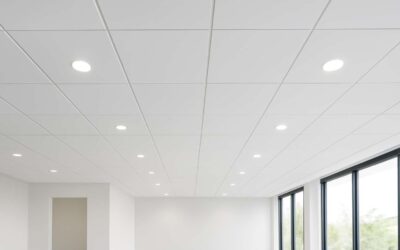
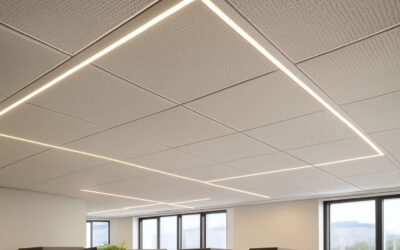
When exploring the question of what are drop ceiling tiles made of, mineral fiber stands out as one of the most common and versatile materials. These tiles are crafted from a blend of natural and synthetic fibers that are bonded together using high-temperature processes, resulting in a lightweight yet durable panel. The mineral fiber composition not only provides excellent acoustic properties but also contributes to fire resistance—making it a practical choice for commercial and residential spaces alike.
One of the key benefits of mineral fiber suspended ceiling tiles is their ability to absorb sound, reducing echo and noise levels significantly. This makes them especially popular in office environments, classrooms, and retail spaces where clarity and comfort are paramount. Additionally, mineral fiber tiles are resistant to mold and mildew, ensuring longevity and maintaining a clean appearance over time. The manufacturing process typically involves the following steps:
- Collection of raw mineral materials such as basalt or slag.
- Melting these materials at high temperatures to create a viscous fiber mixture.
- Forming the mixture into sheets and cutting them into tiles.
- Applying a surface treatment, often with a textured or painted finish for enhanced aesthetics and durability.
Understanding what are drop ceiling tiles made of reveals the importance of mineral fiber in delivering a combination of sound absorption, fire safety, and environmental resilience—making it an ideal choice for modern suspended ceiling systems across South Africa.
Fiberglass Ceiling Tiles – Characteristics and common applications
When pondering the question of what are drop ceiling tiles made of, fiberglass stands out as a sleek, modern contender in the world of suspended ceilings. Known for its lightweight yet sturdy nature, fiberglass ceiling tiles are crafted from fine glass fibers that are woven together with precision and care. These tiles are often chosen for their exceptional thermal insulation and soundproofing qualities—making them a favorite in bustling office spaces and bustling retail environments in South Africa.
Fiberglass ceiling tiles boast a smooth, often glossy surface that can be easily painted or finished to match any aesthetic. Their durability against moisture and mold makes them a resilient choice, especially in humid environments. Plus, their non-combustible nature aligns perfectly with fire safety standards—another reason why they’re a top contender when answering the question of what are drop ceiling tiles made of.
- High-temperature bonded glass fibers
- Resilience to moisture and mold
- Enhanced thermal and acoustic insulation
All these characteristics combine to make fiberglass ceiling tiles a smart, practical option for many suspended ceiling projects across South Africa’s diverse climate and commercial landscape.
Polycarbonate and Plastic Drop Ceiling Tiles – Durability and versatility features
In the grand universe of suspended ceilings, polycarbonate and plastic drop ceiling tiles have emerged as the darlings of durability and versatility. Unlike their more delicate cousins, these tiles are crafted from robust, high-impact plastics that laugh in the face of moisture, scratches, and the occasional rogue footstep. When pondering what are drop ceiling tiles made of, many overlook the plastic variants’ sheer adaptability—perfect for spaces that demand resilience without sacrificing style.
Polycarbonate tiles, in particular, are renowned for their shatterproof quality, making them ideal for environments prone to rough handling or accidental bumps. They offer a sleek, modern appearance, often translucent or frosted, allowing for creative lighting designs—think of them as the chameleons of ceiling materials. Their lightweight nature means installation is a breeze, and their chemical resistance ensures they won’t warp or degrade over time.
For those craving a touch of the extraordinary, plastic tiles can also be customized with patterns, colors, or finishes, elevating any commercial or residential space. When considering what are drop ceiling tiles made of, it’s clear that polycarbonate and plastic options bring a winning combination of durability and versatility—making them a savvy choice for South Africa’s diverse climate and demanding environments.
- Impact-resistant and long-lasting
- Lightweight and easy to install
- Customizable in color and finish
- Resistant to moisture, mold, and UV damage
Metal Ceiling Tiles – Types of metals used and their advantages
When exploring what are drop ceiling tiles made of, metal ceiling tiles stand out as a compelling choice for architects and designers seeking durability combined with aesthetic appeal. Unlike traditional materials, metals like steel, aluminum, and tin offer a resilient foundation that withstands the rigors of busy commercial environments. Their strength and longevity are unmatched, especially in spaces where impact resistance and fire safety are paramount.
Steel ceiling tiles are lauded for their robustness and ability to resist warping, making them ideal for settings with fluctuating temperatures or high humidity. Aluminum tiles, on the other hand, bring a lightweight yet sturdy alternative, facilitating easier installation and maintenance. Tin tiles, historically favored for their decorative qualities, can be crafted with intricate patterns, adding a touch of vintage charm or modern sophistication to any ceiling.
In terms of advantages, metal ceiling tiles are naturally resistant to pests, mold, and corrosion—factors crucial for South Africa’s diverse climate. Their reflective properties can also enhance lighting efficiency, reducing energy costs. To summarize, the types of metals used in drop ceiling tiles not only serve functional purposes but also elevate the visual narrative of interior spaces:
- Steel: durable, impact-resistant, and ideal for high-traffic areas
- Aluminum: lightweight, corrosion-resistant, and easy to handle
- Tin: decorative, historically significant, and customizable with patterns
Understanding what are drop ceiling tiles made of reveals how metal options can seamlessly blend resilience with style, ensuring ceilings stand the test of time while complementing diverse architectural visions.
Wood and Wood-Look Ceiling Tiles – Aesthetic appeal and construction details
Wood and wood-look ceiling tiles present a timeless appeal that resonates with both classic and contemporary interiors. Their natural textures evoke warmth and authenticity, making them a popular choice for those seeking to add character to a space. When exploring what are drop ceiling tiles made of, wood options stand out as an elegant, eco-friendly alternative that can transform any ceiling into a statement piece.
Real wood ceiling tiles are crafted from solid timber or engineered wood, offering durability and visual richness. These tiles often feature intricate grain patterns and can be stained or painted to match specific design themes. For those desiring the aesthetic of wood without the maintenance, wood-look ceiling tiles are manufactured from high-quality PVC or composite materials that mimic the appearance of real timber with greater resilience and ease of installation.
In addition to their beauty, these tiles are designed for practical performance. They resist warping and moisture, making them suitable for diverse environments across South Africa. The choice between genuine wood and wood-look tiles ultimately hinges on balancing aesthetic desires with functional requirements. Understanding what are drop ceiling tiles made of reveals how wood and wood-look options seamlessly blend natural beauty with modern resilience, enriching interior spaces with both style and substance.
Specialty Materials for Acoustic Enhancement – Materials designed to improve sound absorption
Materials used in drop ceiling tiles are as varied as the spaces they adorn, each chosen for specific acoustic, aesthetic, and durability needs. Specialty materials designed for acoustic enhancement have gained prominence, transforming ordinary ceilings into sanctuaries of sound. These materials are crafted to improve sound absorption, creating environments that feel more intimate and less echo-prone.
Among these, mineral fiber and fiberglass are especially notable. Their porous nature allows sound waves to dissipate more effectively, making rooms quieter and more comfortable. For those seeking high-performance acoustic tiles, materials like mineral fiber are favored for their durability and excellent soundproofing capabilities. In addition, some drop ceiling tiles incorporate specialized composites—such as melamine or recycled rubber—that further amplify noise reduction while maintaining sustainability.
Understanding what are drop ceiling tiles made of reveals a fascinating intersection of function and form. Whether it’s a layered construction of mineral fibers or a resilient blend of plastics, each material choice reflects a conscious decision to balance aesthetic appeal with practical performance. Sometimes, the key lies in a simple, elegant list of attributes:
- Porous mineral fibers for sound absorption
- Fiberglass for durability and acoustic performance
- Composite materials for moisture resistance and resilience
In South Africa’s evolving architectural landscape, these specialty materials breathe life into ceilings—transforming them from mere structural elements into functional art. What are drop ceiling tiles made of? The answer is a testament to human ingenuity, blending science with design to craft ceilings that speak to both our aesthetic sensibilities and our need for acoustic sanctuary.
Environmental and Eco-Friendly Options – Sustainable materials used in drop ceiling tiles
In the quest for a greener, more sustainable future, the question of what are drop ceiling tiles made of has taken on new urgency. Thankfully, eco-conscious options are blossoming brighter than a veldfire in summer. Today’s environmentally friendly drop ceiling tiles often utilize recycled materials, reducing landfill waste while maintaining durability and style. These innovative choices mean that you don’t have to sacrifice performance for sustainability. Instead, you get a product that’s both eco-friendly and effective in transforming your space.
Materials such as recycled cellulose fibers, reclaimed wood composites, and biodegradable plastics are increasingly common. They breathe new life into ceilings, turning them into eco-smart surfaces that align with South Africa’s drive for greener building practices. For those committed to sustainability, there are also options like cork tiles and bamboo-based products—each offering natural insulative properties and a unique aesthetic appeal.
- Recycled cellulose fibers—made from post-consumer paper waste, these tiles promote recycling while providing excellent sound absorption.
- Bamboo composites—rapidly renewable and durable, bamboo tiles stand out for their sustainability and aesthetic versatility.
- Cork tiles—harvested from the bark of cork oak trees, they are biodegradable and provide natural thermal and acoustic insulation.
Choosing eco-friendly drop ceiling tiles isn’t just about reducing your carbon footprint; it’s about embracing a smarter, more responsible approach to construction and renovation. Because in the world of what are drop ceiling tiles made of, sustainability isn’t just a trend—it’s a vital ingredient in building the future.
Composition and Manufacturing Processes of Drop Ceiling Tiles
Raw Material Selection and Preparation – How raw materials are sourced and prepped
Understanding what are drop ceiling tiles made of begins with a deep appreciation for the raw materials that underpin their durability and versatility. These materials are carefully sourced from sustainable forests, mineral deposits, or recycled sources, reflecting a growing commitment to eco-friendly manufacturing processes. Once procured, raw materials undergo rigorous preparation—cleaning, blending, and sometimes chemical treatment—to ensure consistency and performance. For example, mineral fibers are processed into fine mats through high-temperature firing, creating a resilient base for acoustic and aesthetic properties.
Manufacturers often utilize advanced techniques such as press molding or extrusion to shape these raw materials into precise tiles. This manufacturing process not only enhances structural integrity but also allows for customization in size, texture, and finish. Whether it’s mineral fiber, fiberglass, or plastic composites, each type of drop ceiling tile starts with a carefully curated selection of raw materials, emphasizing quality and environmental sustainability. This meticulous preparation is what enables modern ceiling tiles to meet diverse architectural and acoustic demands with finesse and resilience.
Foaming and Fiber Reinforcement Methods – Techniques used to create lightweight, durable tiles
The secret to the resilience and lightweight nature of modern drop ceiling tiles lies in their innovative composition and manufacturing techniques. Behind their sleek appearance and acoustic prowess are methods such as foaming and fiber reinforcement—crafting a perfect balance of durability and ease of installation. These techniques transform raw materials into resilient panels that can withstand the rigors of daily use while maintaining an elegant finish.
Foaming creates a cellular structure within the tiles, drastically reducing weight without sacrificing strength. This process involves injecting air or gas into the material during manufacturing, which results in a porous, airy texture. Fiber reinforcement, on the other hand, involves embedding fibrous materials—like cellulose, fiberglass, or mineral fibers—into the core matrix. This method enhances the tensile strength and impact resistance of the tiles, ensuring longevity even in high-traffic environments.
To illustrate, manufacturers often employ
- advanced press molding
- extrusion techniques
that shape these composite materials into precise, customizable tiles. These processes allow for a wide range of finishes and textures, making it possible to craft drop ceiling tiles that seamlessly blend functionality with visual appeal. Ultimately, the innovative combination of foaming and fiber reinforcement techniques is what makes these ceiling panels both lightweight and remarkably durable—perfect for transforming any space into a harmonious blend of form and function.
Surface Treatments and Coatings – Protective and decorative finishes applied during manufacturing
When considering what are drop ceiling tiles made of, surface treatments and coatings play a crucial role in defining their performance and appearance. During manufacturing, protective and decorative finishes are applied to enhance durability, improve aesthetics, and provide resistance against moisture, stains, and wear. These coatings not only extend the lifespan of the tiles but also allow for a variety of visual styles to suit different interior designs.
Surface treatments often include fire-retardant coatings, which are essential for safety standards in commercial spaces. Additionally, textured finishes and color coatings are added to achieve specific decorative effects. These treatments can be sprayed, rolled, or laminated onto the tiles, depending on the manufacturing process.
For example, mineral fiber drop ceiling tiles frequently feature a smooth or patterned surface with a layer of matting to absorb sound. Fiberglass tiles may be coated with a resin-based finish to enhance impact resistance. Metal and plastic tiles might receive a powder coating or paint layer to improve corrosion resistance and visual appeal.
- Protective coatings enhance longevity
- Decorative finishes improve aesthetics
- Specialized coatings ensure fire safety
Understanding these surface treatments is key to knowing what are drop ceiling tiles made of and how they adapt to different environmental needs. Each layer is carefully engineered to balance practicality with style, ensuring the ceiling panels perform reliably over time.”
Recycling and Eco-Conscious Manufacturing – Sustainable practices in production
Understanding what are drop ceiling tiles made of reveals a fascinating intersection of material science and sustainable innovation. Modern manufacturing processes emphasize eco-conscious practices, ensuring that these ceiling panels not only meet aesthetic and functional demands but also align with environmental imperatives. Raw materials are carefully sourced from renewable or recycled sources, reducing the ecological footprint of production. The manufacturing process often involves advanced techniques like foaming and fiber reinforcement, which create lightweight yet durable tiles capable of withstanding daily wear and tear.
Recycling plays a pivotal role in this industry. Many drop ceiling tiles incorporate recycled content, such as mineral fibers or plastics, reinforcing their eco-friendly credentials. Manufacturers may also utilize environmentally friendly binders and coatings during production, further enhancing sustainability. For example, some companies adopt closed-loop systems that reuse waste materials, minimizing landfill contributions. This commitment to eco-conscious manufacturing not only preserves natural resources but also ensures compliance with increasingly strict environmental regulations, making it clear what are drop ceiling tiles made of is evolving toward greener, more responsible choices.
Key Properties of Drop Ceiling Tile Materials
Fire Resistance and Safety Standards – Materials that enhance fire safety
In a world where safety often takes a backseat to aesthetic appeal, understanding what are drop ceiling tiles made of reveals critical insights into their fire resistance properties. Contrary to popular belief, not all ceiling tiles are created equal—some materials inherently possess superior fire safety standards. For instance, mineral fiber ceiling tiles are renowned for their exceptional fire resistance, often meeting strict safety standards because of their inorganic composition. This ensures that in the event of a blaze, they act as a barrier, slowing the spread of flames and smoke.
Materials used in drop ceiling tiles are meticulously engineered to enhance fire safety, adhering to stringent safety standards set by South African building codes. Fire-resistant tiles typically feature non-combustible or low-combustibility raw materials, ensuring compliance with industry regulations. These materials not only protect occupants but also contribute to the overall safety of commercial and residential spaces. To summarize, the composition of drop ceiling tiles plays a pivotal role in their fire safety performance, making it essential for architects and designers to select materials that prioritize safety without sacrificing style.
Acoustic Performance – Materials that provide sound absorption
In the realm of interior design, the acoustic performance of drop ceiling tiles often goes unnoticed—yet it profoundly influences the ambiance of any space. When contemplating what are drop ceiling tiles made of, one must consider materials specifically engineered to absorb sound waves, transforming noisy environments into serene sanctuaries. The intricate balance between durability and acoustic efficiency hinges on the raw materials used during manufacturing.
Materials such as mineral fiber and fiberglass are celebrated for their superior sound absorption qualities. These substances have porous structures that trap and dissipate sound energy effectively, creating a quieter, more comfortable environment. For instance, mineral fiber ceiling tiles are not just fire-resistant but also excel at reducing echo and background noise, making them ideal for office spaces, schools, and healthcare facilities.
In addition, specialty acoustic materials—often featuring fibrous or cellular compositions—are incorporated into drop ceiling tiles to optimize soundproofing. These advanced materials contribute to a balanced acoustic environment, ensuring clarity of speech and privacy. Understanding what are drop ceiling tiles made of reveals that the selection of raw materials is fundamental, not only for sound absorption but also for achieving the perfect harmony between functionality and aesthetic appeal. The acoustic properties of these tiles underscore their importance in the meticulous orchestration of spatial comfort and acoustic excellence.
Light Reflection and Aesthetic Appeal – Surface finishes that affect the visual impact
When pondering what are drop ceiling tiles made of, one quickly realizes that surface finish and visual impact are as crucial as their core composition. The surface treatment of these tiles not only protects the material but also influences how light interacts within a space, shaping its overall aesthetic appeal. From smooth, matte finishes to reflective, glossy surfaces, the choices made during manufacturing can dramatically alter the ambiance of an office, school, or commercial environment.
Light reflection plays a pivotal role in creating a welcoming and functional atmosphere. Tiles with high-gloss coatings can amplify natural light, reducing the need for excessive artificial illumination, while matte surfaces help diffuse light evenly, minimizing glare. These surface finishes are often applied through advanced coatings that enhance durability and ease of maintenance, ensuring the tiles retain their visual charm over years of use.
In the realm of what are drop ceiling tiles made of, surface finishes are not merely decorative—they are integral to the tile’s performance. For instance, some tiles feature a textured surface that conceals dust and minor imperfections, maintaining a pristine appearance. Others incorporate environmentally friendly coatings, aligning with eco-conscious building practices that are increasingly vital in South Africa’s sustainable architecture landscape.
Ultimately, the surface finish elevates the raw materials, transforming basic mineral fiber, fiberglass, or metal into a harmonious blend of functionality and aesthetic allure. It’s this meticulous attention to surface treatment that ensures drop ceiling tiles serve as both architectural canvas and acoustic sanctuary, making every space not just functional but inspiring.
Durability and Maintenance – Factors influencing lifespan and ease of cleaning
Durability and ease of maintenance are pivotal when considering what are drop ceiling tiles made of. These factors directly influence their lifespan and overall performance in busy environments like South African offices, schools, or retail spaces. Materials such as mineral fiber, fiberglass, and metal each bring unique strengths to the table, impacting how well they withstand daily wear and tear.
For instance, mineral fiber tiles are renowned for their resilience and fire-resistant properties, making them a popular choice in commercial spaces. Fiberglass tiles, on the other hand, excel with their lightweight nature and superior sound absorption. To ensure longevity, manufacturers often apply surface treatments and coatings that protect against moisture, stains, and microbial growth. These protective layers are essential in maintaining the tile’s appearance and functionality over years of use.
Furthermore, the ease of cleaning varies depending on the raw material and surface finish. Tiles with smooth, glossy coatings tend to be more resistant to dust and dirt, simplifying maintenance routines. Conversely, textured surfaces can conceal minor imperfections, keeping the ceiling looking pristine without constant upkeep. Ultimately, selecting the right material and finish depends on the environment’s demands—whether prioritizing durability, acoustic performance, or aesthetic appeal.
Choosing the Right Drop Ceiling Tile Material
Application-Specific Requirements – Matching materials to commercial, residential, or industrial spaces
Choosing the perfect drop ceiling tile material hinges on the specific demands and nuances of each space. Whether it’s a bustling commercial hub, a cozy residential haven, or an industrial setting that demands resilience, understanding what are drop ceiling tiles made of becomes paramount. The material must not only align with aesthetic aspirations but also meet rigorous safety and performance standards.
For commercial environments, mineral fiber tiles often shine—offering superb acoustic absorption and fire resistance. Residential spaces may lean toward wood or wood-look ceiling tiles, which infuse warmth and elegance into a home’s design. Meanwhile, industrial settings demand durable, metal or plastic tiles that withstand harsh conditions and heavy usage.
Matching materials to their application-specific requirements ensures longevity and functionality. In environments where soundproofing is critical, specialty materials for acoustic enhancement come into play. Conversely, eco-friendly options highlight the growing need for sustainable building practices. The selection process becomes an exquisite dance—balancing form, function, and environmental consciousness, all rooted in understanding what are drop ceiling tiles made of.
Budget Considerations – Cost-effective options and value assessment
Choosing the right drop ceiling tile material often hinges on balancing budget constraints with the desired performance and aesthetic outcomes. In South Africa’s diverse construction landscape, understanding what are drop ceiling tiles made of becomes essential to making an informed decision that aligns with both economic and functional needs.
Cost-effective options like mineral fiber tiles offer exceptional value, providing sound absorption and fire resistance at an affordable price point. For projects where long-term durability is paramount, materials such as metal or plastic tiles, despite their higher initial investment, deliver resilience against wear and environmental stressors. The selection process involves evaluating not only material costs but also maintenance expenses and lifespan—integral factors that influence overall value.
In the quest for eco-conscious solutions, many opt for sustainable raw materials, which, while sometimes more costly upfront, contribute to greener building practices. Ultimately, understanding what are drop ceiling tiles made of enables architects and interior designers to craft spaces that are both economically sound and aligned with the project’s environmental ethos.
Environmental Impact – Eco-friendly choices and certifications
When contemplating the environmental impact of what are drop ceiling tiles made of, eco-conscious choices should be front and centre. Sustainable raw materials are increasingly gaining traction in South Africa’s construction scene, driven by a desire to reduce carbon footprints and promote greener building practices. While some eco-friendly options may come with a higher price tag upfront, the long-term benefits—such as reduced energy consumption and recyclability—often justify the investment.
Certifications such as LEED (Leadership in Energy and Environmental Design) and Green Star serve as reliable markers of environmentally responsible manufacturing. These standards ensure that the raw materials used in drop ceiling tiles are sourced responsibly, prioritizing renewable resources, low VOC emissions, and minimal environmental degradation. For example, tiles made from recycled mineral fiber or sustainably harvested wood not only meet stringent eco standards but also enhance a project’s overall sustainability profile.
In essence, understanding what are drop ceiling tiles made of with an eye toward eco-friendly options allows architects and interior designers to craft spaces that are both functional and environmentally respectful. After all, the best design is one that leaves a positive footprint—an artful balance of aesthetics, durability, and ecological integrity.
Aesthetic Preferences – Design options based on material finish
When selecting the perfect drop ceiling tiles for a space, aesthetic preferences are paramount. The material finish not only influences the visual appeal but also plays a vital role in the overall ambiance of a room. For instance, mineral fiber tiles offer a matte, textured surface that subtly absorbs sound, ideal for quiet office environments. Conversely, glossy and smooth finishes, like those on polycarbonate or plastic tiles, reflect light beautifully, creating an airy, open feel in commercial or retail spaces.
Material options vary widely, each providing unique design possibilities. Wood and wood-look tiles bring warmth and sophistication, mimicking natural grains and textures. Metal tiles, with their sleek, industrial charm, are perfect for modern interiors. For those seeking a less conventional aesthetic, specialty materials such as decorative fiber-reinforced tiles or custom finishes can transform ceilings into focal points. In essence, understanding what are drop ceiling tiles made of allows designers in South Africa to craft spaces that are both visually stunning and aligned with the desired style.
Ultimately, the choice hinges on how the material’s finish complements the environment—whether you want subtle elegance, bold statement, or a blend of both. Exploring the diverse range of finishes available ensures that every ceiling becomes a seamless extension of the interior’s narrative, turning a functional element into a signature design feature.


0 Comments